Perspectivas y Acción Colectiva


Fifteen Years After Disaster, a Children’s Music Festival Continues to Rebuild Community in Soma, Japan
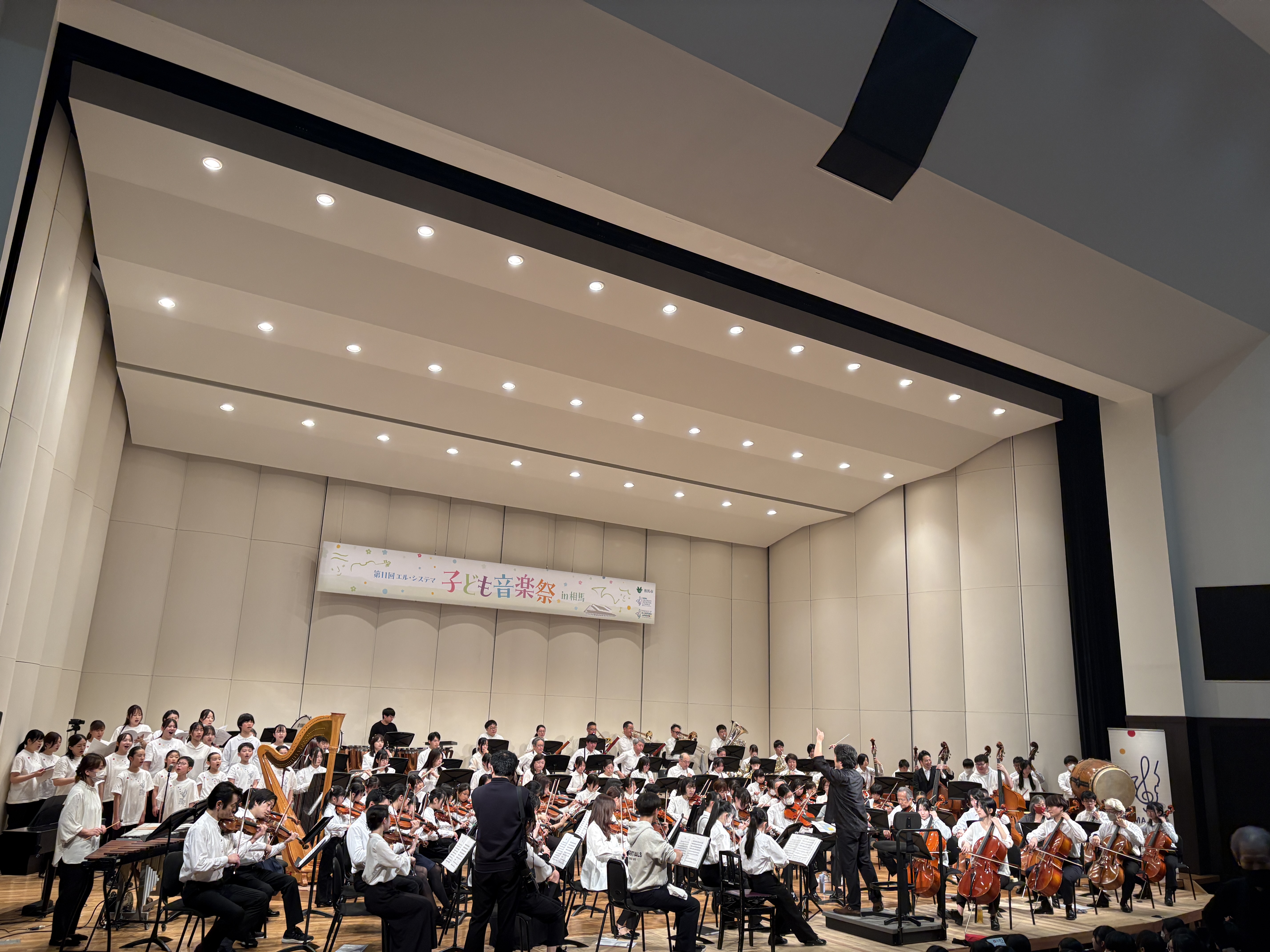
Yutaka Kikugawa, Executive Director and Founder, El Sistema Japan
For me, the festival brought back memories of a cold winter day in December 2011, when I met with Soma City Council officials to explore the possibility of launching Japan’s first El Sistema–inspired program. At that time, children in Soma were still deeply affected by the 2011 Great East Japan Earthquake, tsunami, and subsequent nuclear power plant accident. Many had lost family members and friends; many faced widespread stigma and discrimination resulting from radiation contamination across Fukushima Prefecture, including Soma City. I was serving as Chief Coordinator of UNICEF’s post-disaster operations.
From Spark to Flame: A Glance at Fire Up! 2025
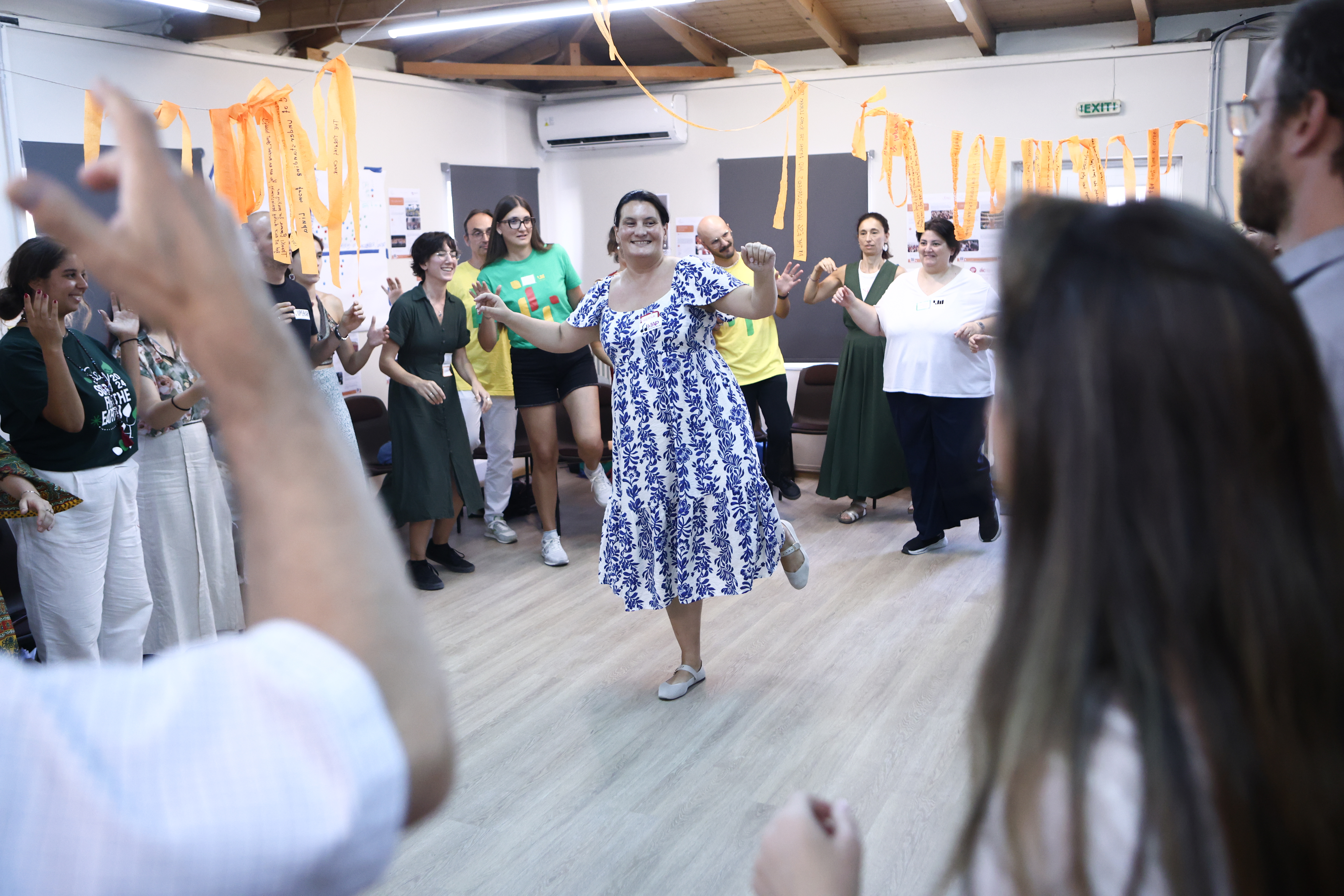
Elisabetta Lapadula, Communications Manager, SONG – Sistema Lombardia
Imagine choosing—on purpose—to stop. To give yourself a moment of attention and ask, without judgment, a simple question: “Why do I do this work?” It’s a small exercise of meditation and self-awareness that we rarely find time for in our noisy daily routine. And yet, in that brief pause, something can appear: a spark that feeds the question, gives it space, and makes it louder.
For me, Fire Up! 2025 in Athens—a four-day teaching artist residency led by the Academy for Impact through Music (AIM)—was that spark.
SIMM Opportunities in 2026: Seminars and Journals
Two SIMM (Social Impact of Music Making) research seminars are welcoming attendees.
EDITORIAL
Playing in the Same Key: Aligning Purpose and Practice for Students
Fiona Cunningham, Director, Academy for Impact through Music
“What’s the biggest thing keeping you up at night, as a leader or as a teaching artist?”
When Nikoletta Polydorou, founder of Sistema Cyprus, recently posed this question to music-for-social-action leaders and teaching artists across different countries and contexts, one concern surfaced repeatedly: when a program’s purpose isn’t clear, and collectively owned, the learning is less focused and effective.
Creating a Community of Belonging at OrKidstra
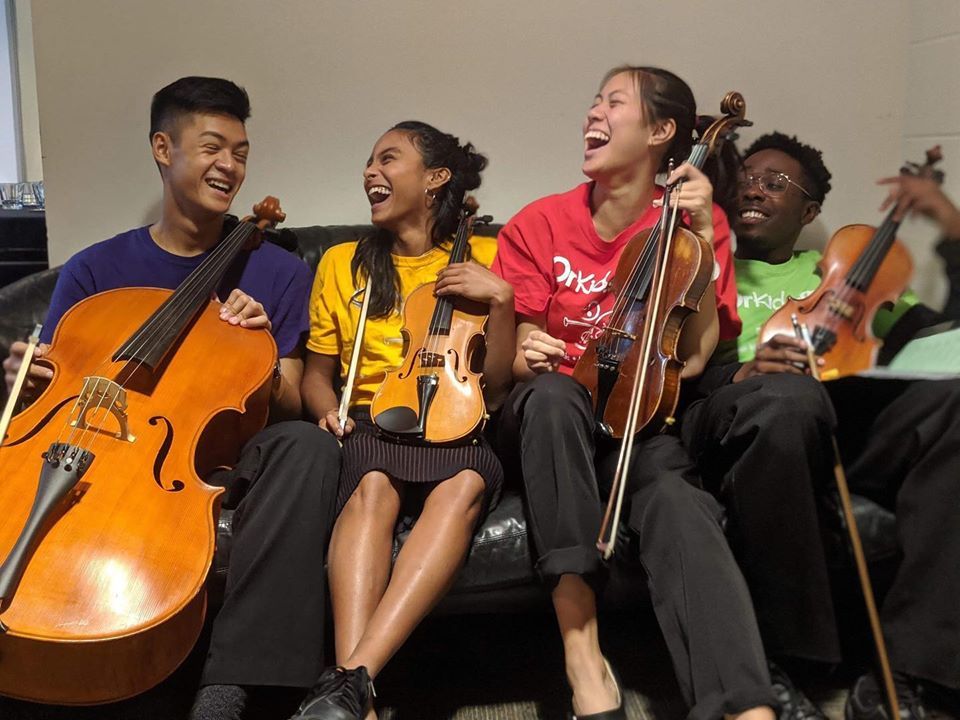
Rebecca Russell, Former Director of Development & Communications, Carrie Lauzon, Executive Managing Director, and Tina Fedeski, Co-founder and Artistic Managing Director, OrKidstra
When you walk down the halls of OrKidstra, you’ll hear the universal language of music around every corner. Laughter as the kids rush to the snack table during their break. And you’ll hear something distinctly Canadian: the beautiful sounds of a community composed of 62 different cultural and linguistic backgrounds. A community of belonging.
Re-birth: 18 Years of Music, Meaning, and Maturing
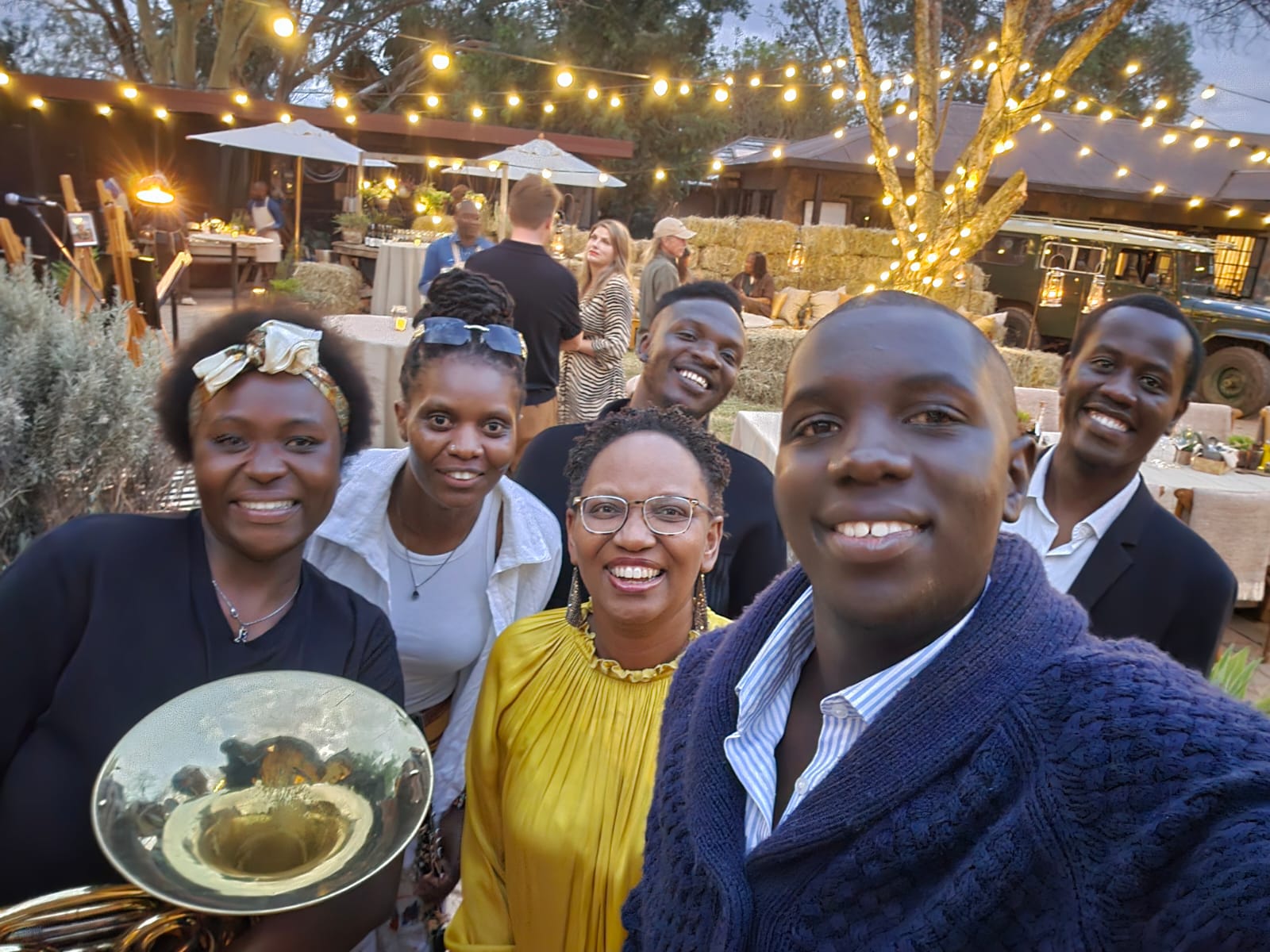
Elizabeth Njoroge, Founder and Executive Director, Art of Music Foundation
Many of the students we began with, back in 2006, are the first in their families to finish school, to attend university, and to build careers. The truly amazing part is that now, as young adults, their dream is not to escape. Their dream is to return. They come back to their communities—with purpose, compassion, and determination. More often than not, they come back to Ghetto Classics as teachers. Most of our current 42 teachers once sat where our students now sit. The learners have become leaders.
Which means, of course, that the program no longer “belongs” to me.
Violin Included: Reflections on Leadership, Giving, and Growing Up in This Field
Elizabeth Moulthrop, Executive Director, El Sistema USA
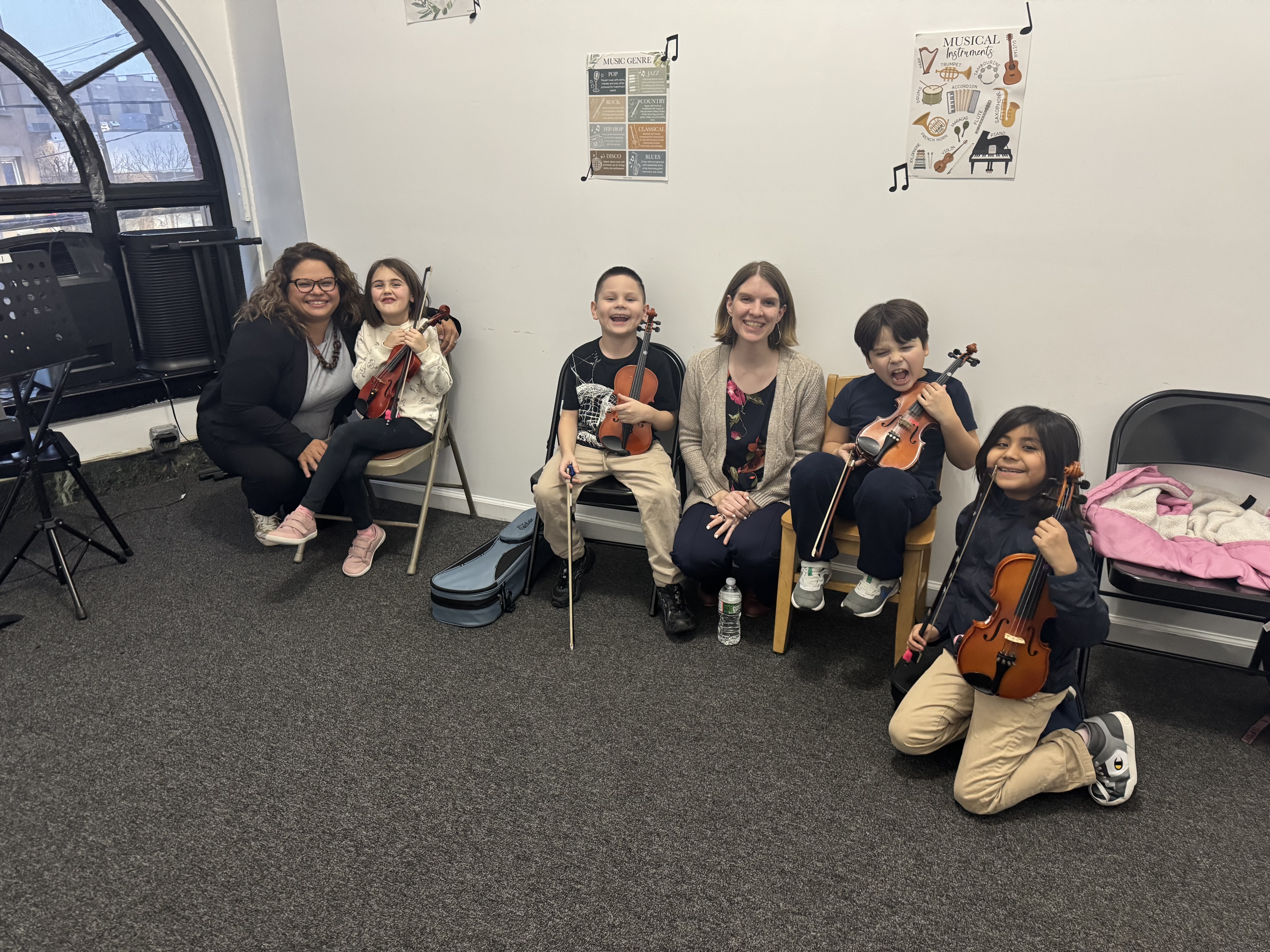
Last week, I found myself in Union City, New Jersey, USA, sitting in a sea of students, violin in hand, playing “Swan Lake” alongside kids, teachers, and my longtime colleague Melina Garcia. I hadn’t come to visit Melina and her program, the United Children’s Music Project simply for the joy of playing with young people; I was there to deliver a donation. I had just closed a similar program in Pisco, Peru—Notes for Change, Inc.—that I founded 15 years ago, and my donation for UCMP consisted of the final funds from that program. I had expected this to be a bittersweet moment; instead, it felt like a full-circle one. But more about that later.
Through Songwriting, Colombian Communities Resolve Conflict and Make Their Voices Heard
Ana Uribe Law, musicologist and violinist; 2023 Alumna, Global Leaders Institute
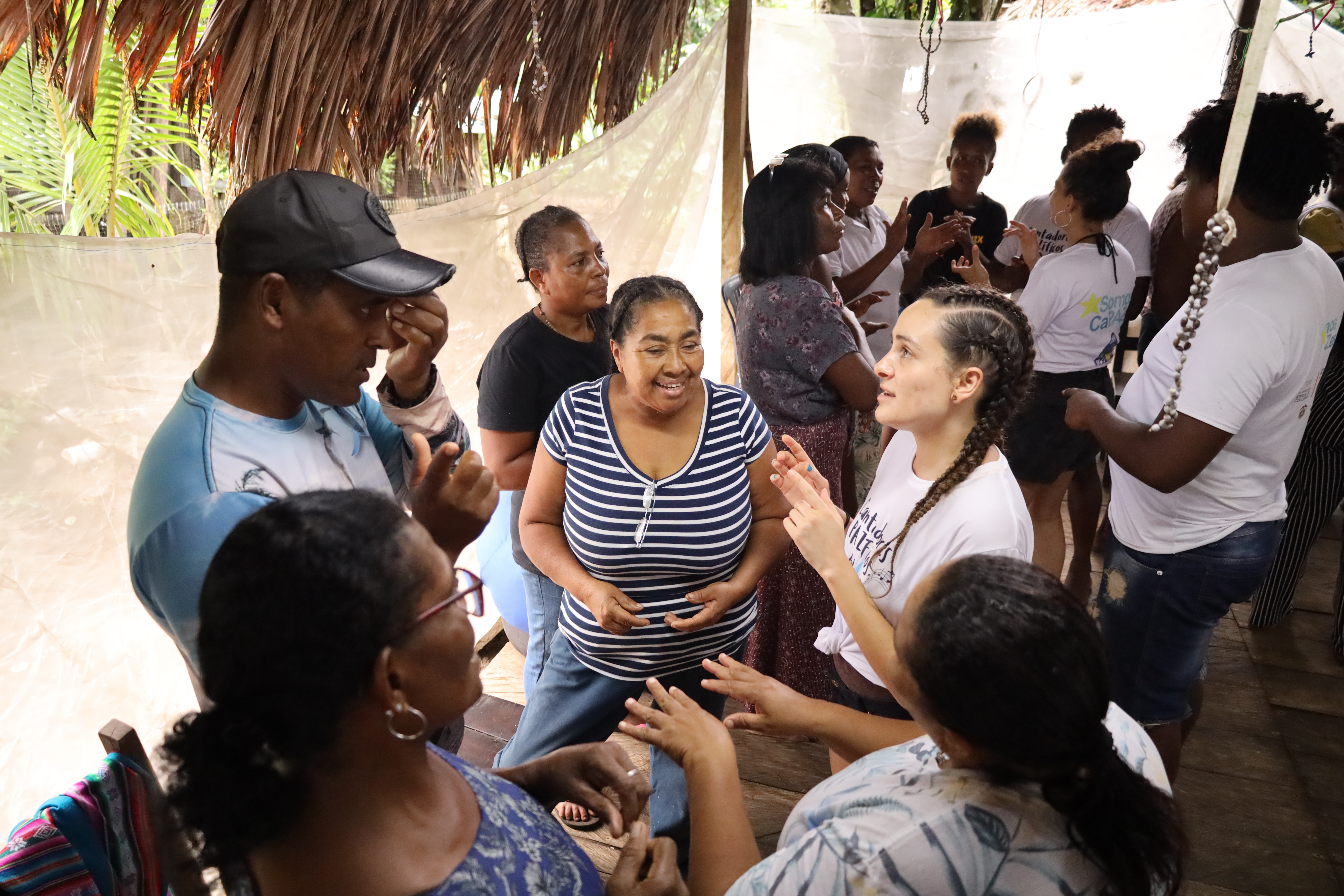
Ask any Bogotano about their perception of Colombia’s Chocó Region, and you’ll likely hear that it is a dangerous and remote place, visited primarily for whale-watching. These inter-regional biases are not uncommon—decades of armed conflict have disrupted networks of community and social cohesion, fragmenting them and threatening the practices that sustain communal life. And though a shared sense of Colombian identity exists, each of the country’s regions maintains a distinct cultural character that is often rooted in music.
Before traveling to Chocó, my perception of Colombia’s outer territories was similarly close-minded.
EDITORIAL
Musical Benchmarks Build Equity
Adam Karelin-Anderson, Executive and Artistic Director, Riverside Arts Academy
Over the past decade, our field has worked tirelessly to ensure that music education is holistic, addresses socio-emotional learning, and is culturally relevant to our students. These are incredibly important objectives that will help us ensure that well-adjusted, diverse people shape the future of our society and music industry.
But to diversify that industry, they have to be able to enter it.
The Importance of Free Play in Music Education
Dr. Richard Marsella, Executive Director, Community Music Schools of Toronto
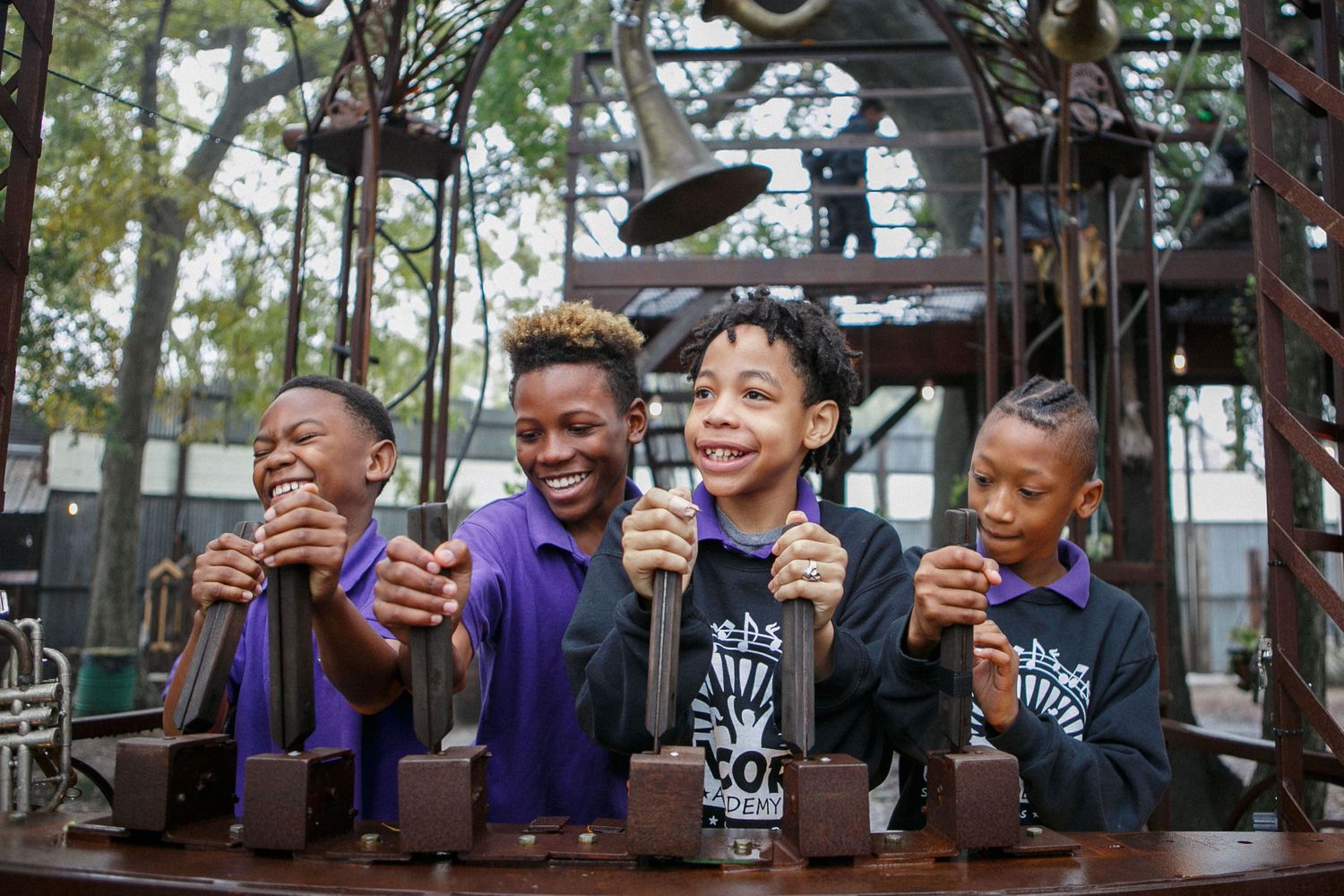
In my doctoral work, I did an instrumental case study of the Music Box Village in New Orleans. This alternative music space wears many hats. It functions as a music venue, learning space, playground, and much more. It includes interactive art installation and instruments made from salvaged materials that form a kind of sonic playground. It’s also widely welcoming: when I was observing grade-four children playing in the space, I noticed that multiple intelligences were accepted and fostered.


