Educación artística


Apply for TATI’s Cohort VI
Teaching artists in the U.S. and Canada can apply to join TATI’s (Teaching Artist Training Institute) Cohort VI.
Erasmus+ Project Finds Funding
Sistema Europe reports that their Erasmus+ KA153 project “Music and Social Action in Europe: Practices in Exchange” has officially been approved.
Successful Students at Sistema Cyprus
Congratulations to two students from Sistema Cyprus.
From Program to Public Infrastructure: The Evolution of Dream Arts
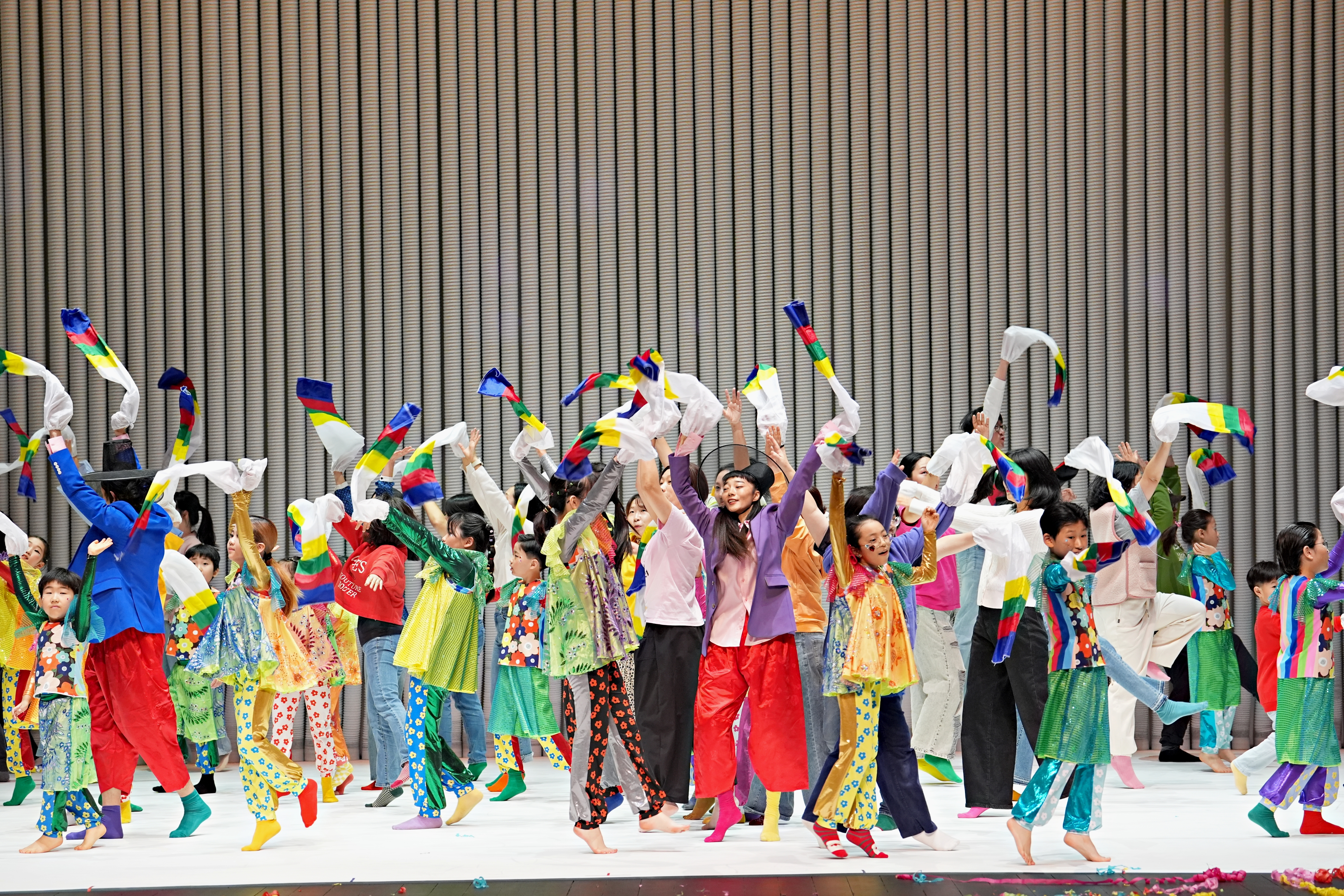
Jeehye Suh, CEO, Inculture Consulting (Rep. of Korea); Adjunct Professor, Korea National University of Arts
When we first designed the Dream Orchestra in 2010, we saw “isolation” as one of the most urgent conditions in children’s lives. At the time, the intensity of college entrance competition had already reached elementary school, and many children were being pushed into highly competitive, lonely environments.
Fifteen years later, children’s lives have not become easier. They remain caught in the competitive trap of the education system while social and economic inequality continues to deepen their vulnerability. Declining physical and mental wellbeing, weakened community ties, and the replacement of direct relationships with media-based activities have also left them increasingly disconnected.
Young Composers in Toronto, Canada
Sistema Toronto’s students engaged in a term-long composition project with award-winning composer Aaron Manswell and the Nathaniel Dett Chorale (NDC).
Free from Carnegie Hall: Rhythm Explorer, A New Online Music Game for Kids
Carnegie Hall has launched Rhythm Explorer, a free interactive music game where kids can play along with songs from diverse musical traditions.
Atlanta Music Project Launches a World Music Festival
The FIFA World Cup is the world’s most watched and celebrated sporting event, and Atlanta, Georgia, will host three of the tournament’s matches this year.
Dispatches from an Inspiring Trip to Superar Budapest
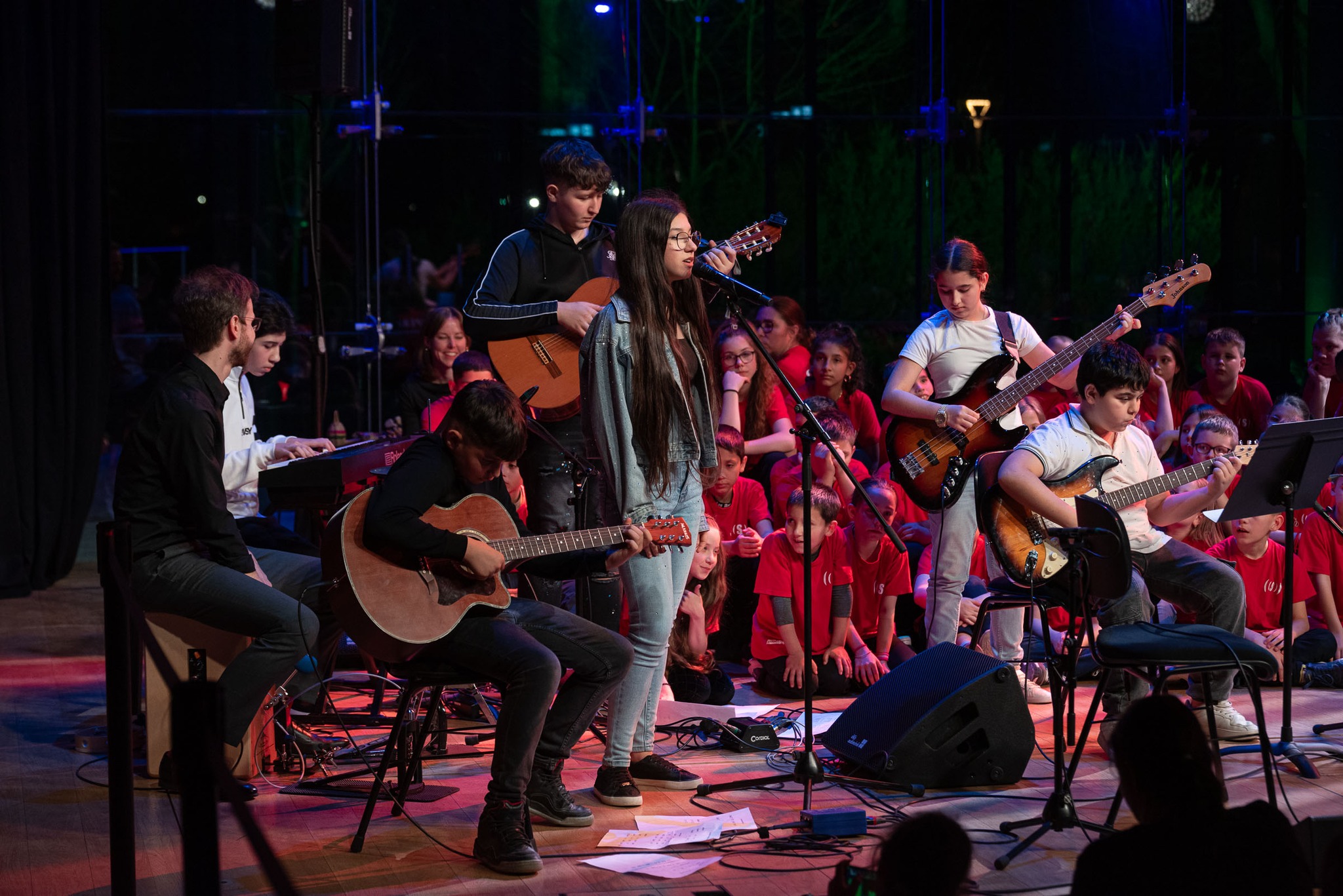
Danielle Williams, Director of Education, Baltimore Symphony Orchestra OrchKids, Maryland, USA
If I could offer a travel tip to anyone lucky enough to visit another city or country, it would be this: reach out to a local El Sistema-inspired program, or a similar music for social change program, and visit it! Over the past two decades, I’ve had the privilege of visiting such programs across five continents, learning from colleagues who share a common mission while working in vastly different contexts.
During my spring break this year, a trip to the beautiful country of Hungary led me to connect with the wonderful team at Superar Budapest. What began as a simple visit quickly turned into something much more.
EDITORIAL
Practicing Collaboration
Angelica Cortez, Executive Director, Suzuki Association of the Americas
In arts education programs, we tend to work with our heads down. Doing our work every day is enough: it takes more time than we have to create our lesson plans, to build healthy organizational infrastructure that is adaptive and responsive, or even to collaborate with the colleagues within our own organizations. As artists and arts leaders, we forget to look up and out. But as various crises combine forces to pull us away from each other, our need for collective work is not something we can afford to have on a backburner. It needs to be a central focus. We need to build strong local networks and to diversify our collaborators.
We need to connect—with fellow arts organizations, and with organizations we might never consider in our daily work.
EDITORIAL
The Stories We’re Speaking Into
Dr. Tasha Golden, singer-songwriter and behavioral scientist
Across the field of music for social impact, a lot of energy goes toward communication: Tell your story. Build your evidence base. Find the right combination of data and narrative, and you’ll finally get the support or decisions you’re seeking.
I work across sectors on exactly these goals: helping organizations design research studies that reflect their unique approaches and articulate their impact in ways that actually land. So I get it: refining communication is valuable work.
But it’s not the full picture. And our failure to see that full picture keeps us from igniting the changes we value.


