Inclusión


A Living Network Meets in Milan
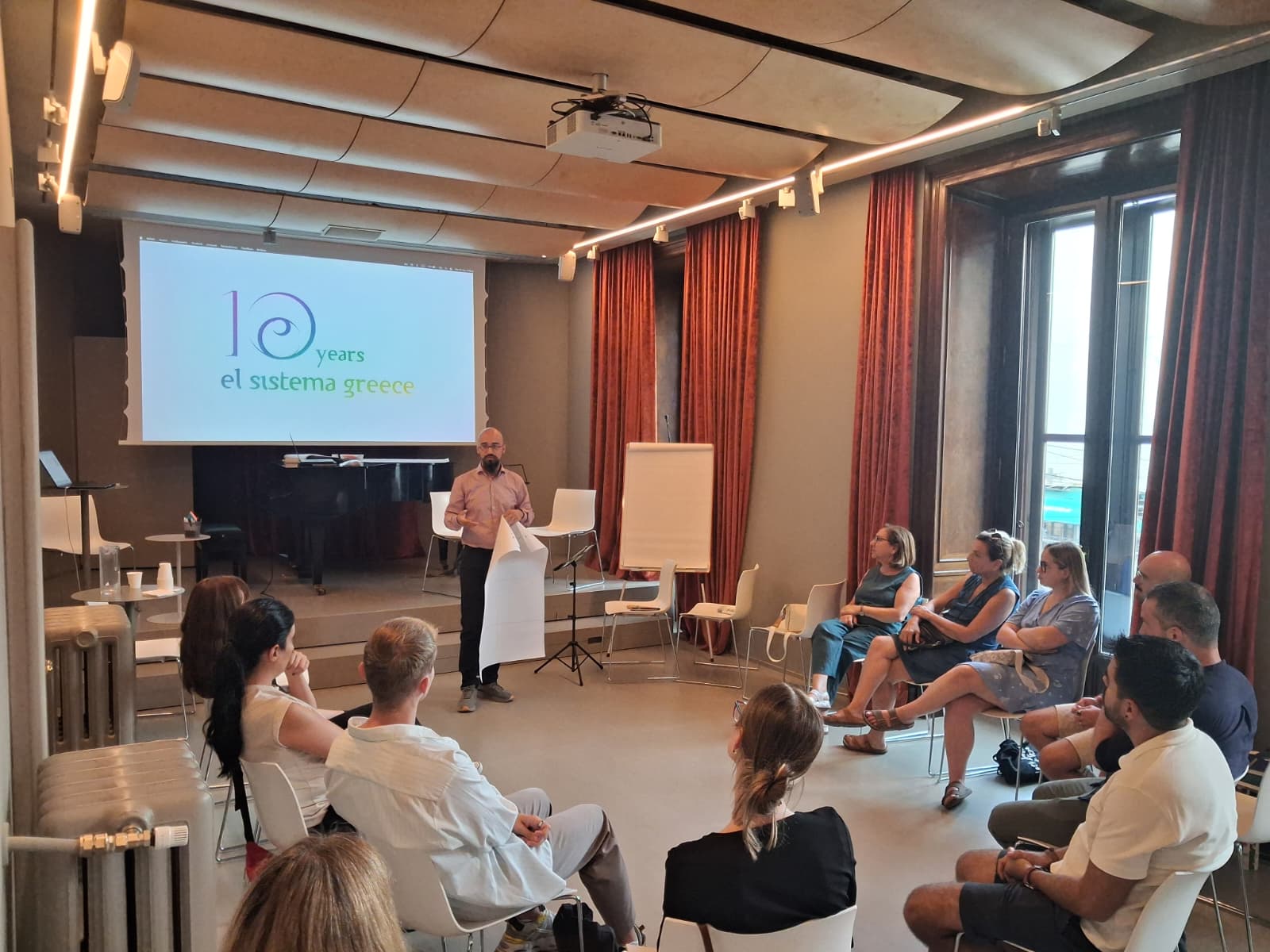
Nikoletta Polydorou, Executive Director, Sistema Cyprus; Board Member, Sistema Europe
“It gave me great peace of mind to know that there are such capable and inspiring people whom I can turn to when I face problems that I cannot solve on my own.”
This was how one of my peers reflected on our three days together in Milan last August. Her words got to the heart of a question I had been thinking about for some time:
What keeps a network alive?
EDITORIAL
A Question We Could Not Answer
Faly Ranaivoson, Founder, Choir Orchestra Loharano (COL)
One of our longest-standing members asked a question at a meeting this year that I still cannot answer well. He had rehearsed four or five pieces for our concert last December. On the afternoon itself, he participated in playing only one of them. He wanted to know how that had come about. He put his question to everyone in the room.
Every Lullaby Begins with a New Encounter
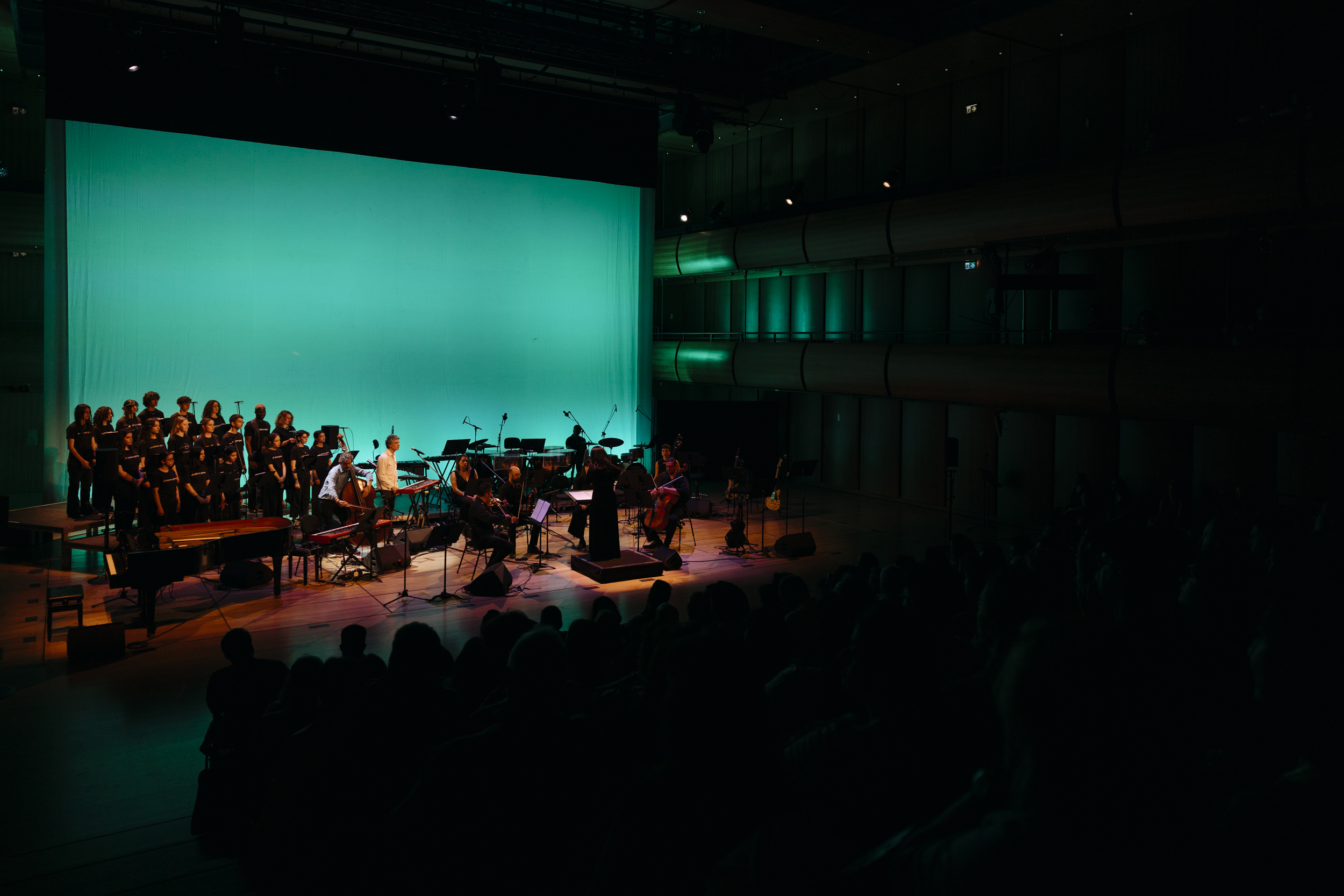
Fenia Biniari, Communications Manager, El Sistema Greece and Project Manager, ESG Lullaby Project, and Michalis Kalkanis and Christos Kalkanis, Seeds (composer duo)
The first chapter of a Lullaby Project song is usually written in a room where strangers have just met. Professional composers sit beside a mother who has never written music before. A child wanders around the room, curious but unsure. Participants may speak through an interpreter. Others may communicate more through gestures than words. At first, there are introductions, hesitant smiles, and long pauses. There is no score, no lyrics, no expectation of what the music should become.
Africa-Europe Cultural Exchange Grants
The Goethe Institut, in partnership with Expertise France and Institut Français, invites proposals for two different grants supporting artistic and cultural exchange projects between African and European artists.
New Issue from Music & Arts in Action
Music & Arts in Action has released their latest online issue, “Music Education Among Refugee and Migrant Youths: Sharing, Belonging, Including.”
Sinfónica Azteca: Empowering Young Musicians Across Mexico, the Americas, and Beyond
Adrián Nájera-Coto, Sinfónica Azteca Project Manager, Orchestra of the Americas Group
The story of Sinfónica Azteca begins about five years ago, when the world was just beginning to reemerge from the COVID-19 pandemic. Across the globe, music programs and youth orchestras were struggling to survive. The need to restore trust in live music and reignite enthusiasm among young musicians had never been greater.
In Mexico, this posed a double challenge, since we had always lacked a national youth orchestra capable of uniting the country’s young musicians in high-caliber, immersive artistic experiences.
EDITORIAL
A Space to Be: What One Classroom Taught Me about Art, Listening, and Inclusion
Giovanni Acquilino, 2025 Cohort Member, Global Leaders Institute
This was a Mus-e session at a public primary school in Genova, Italy, in a room filled with light, nervous energy and about 20 children in motion. Some moved eagerly. Some hung back. Some followed Olivia Giovannini, the teaching artist leading the session. Others wandered in their own rhythm. Throughout it all, something subtle was happening: no one was being excluded.
In the Democratic Republic of Congo, Music Moves Us Forward

Rene Byamungu, Workshop Leader in Musicians Without Borders’ partner program Kivu Youth Music, as told to The Ensemble
In the North Kivu Province of the Democratic Republic of Congo (DRC), the capital city of Goma sits between several mining towns and valuable minerals. Part of an active volcanic region rich in resources, the city serves as an essential transport hub for the nation—and, more importantly, as home to nearly 2 million people, many of whom have been displaced.
This past year, those 2 million have lived through extraordinarily difficult circumstances as the rebel group known as M23—the March 23 Movement—took control of the city. But perhaps none are more affected than the children. Over 2,000 schools in the region have been closed, with many thousands of students displaced and forced to witness the horrors of war, including the deaths of loved ones. As the fighting continues, these young people have been increasingly isolated and ignored, left without opportunities to connect with one another, explore their feelings, and celebrate joy.
And yet, as Workshop Leader Rene Byamungu writes, joy has persisted in North Kivu through music:
Reggae Roots at Sistema Toronto – Jane Finch

Kelsy Vivash, Marketing & Communications Manager, Sistema Toronto
Working in this field has shown us how a diverse, inclusive curriculum can activate a student’s passion and sense of self. At Sistema Toronto, our goal is to have repertoires that represent our students and the communities they live in. With that in mind, Sistema Toronto invited Juno-nominated reggae artist Jah’Mila to work with students at our Jane Finch Centre this March as part of a months-long exploration of reggae music titled Reggae Roots. Our students spent January and February preparing for three days of workshops led by Jah’Mila and a culminating concert.
En el Circo Social Sirkhane, la cooperación cultural no es un acto de equilibrismo

Sahba Aminikia, compositora iraní-estadounidense afincada en San Francisco; fundadora del Flying Carpet Festival
El Circo Social Sirkhane es algo más que un lugar donde aprender técnicas circenses: es un santuario de alegría, curación y expresión creativa para niños que han sufrido el trauma de la guerra, el desplazamiento y la inestabilidad social. Con sede en Mardin (Turquía), cerca de la frontera con Siria, Sirkhane ofrece un entorno seguro y enriquecedor en el que niños de diversos orígenes -sirios, turcos, iraquíes y kurdos- se reúnen para aprender, actuar y jugar.


