
Noticias y recursos
Re-birth: 18 Years of Music, Meaning, and Maturing
Elizabeth Njoroge, Founder and Executive Director, Art of Music Foundation
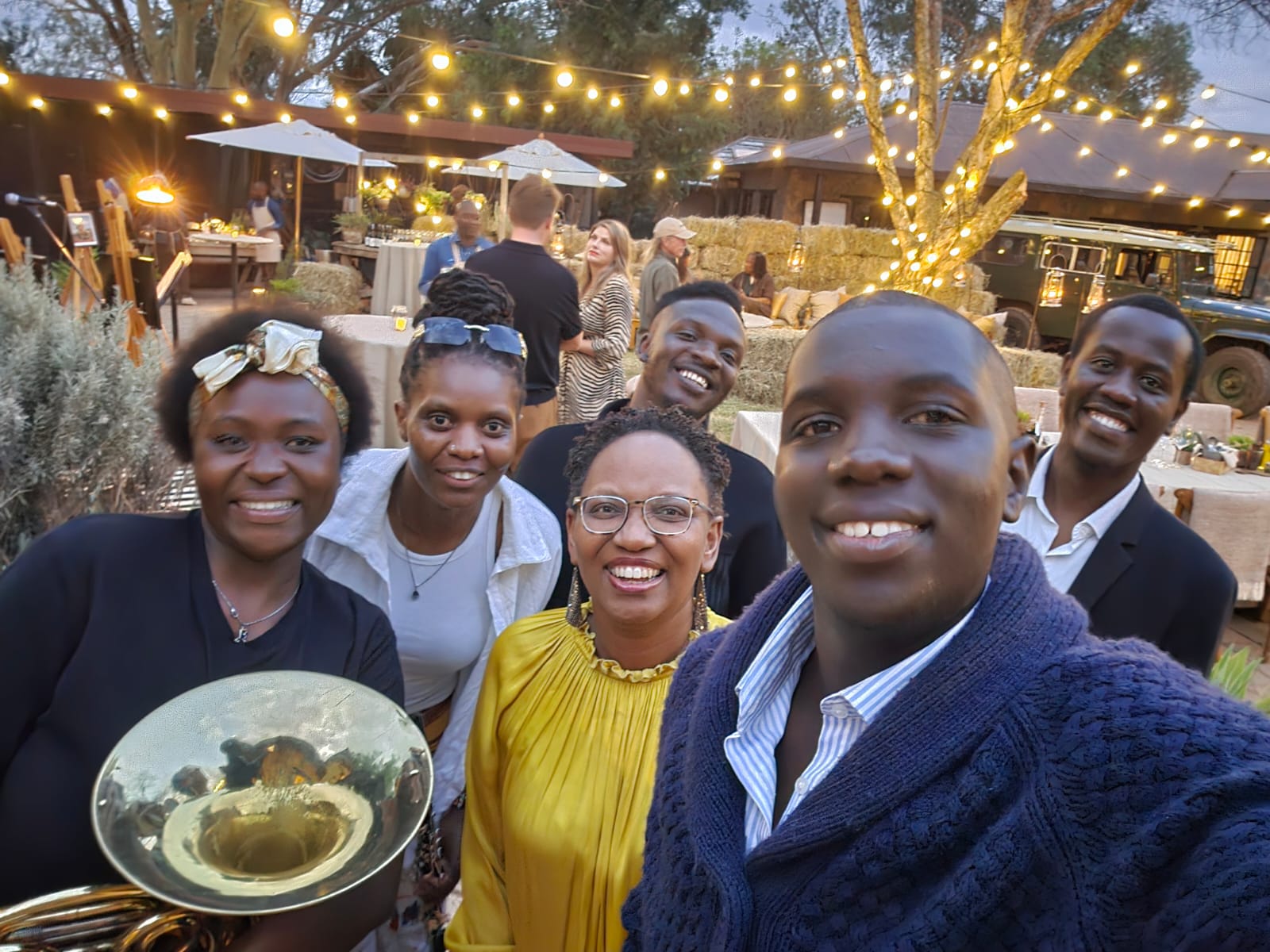
The author, in yellow, with Ghetto Classics musicians who are former students and now teaching artists.
There are moments in the life of any organization when you can feel a shift—not as a disruption, but as a renewal. A quiet, steady turning of the tide. That’s where we currently find ourselves at the Art of Music Foundation.
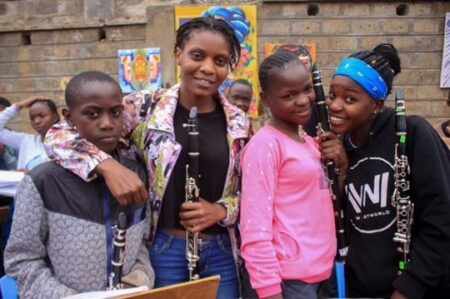
We launched the Ghetto Classics program, in Nairobi, Kenya, 18 years ago. The odds were heavily against us: our community contends with deep poverty, in environments where hope is fragile and opportunity is scarce. But we were stronger than those odds. Today, we serve 752 students across four centers, with music lessons and rehearsals every weekend, and daily during school holidays. Alongside music, dance has become an integral part of our expression and storytelling—another powerful language through which our young people find confidence, discipline, and joy.
Our work extends beyond rehearsal rooms. We grow food in our urban garden to supplement what our children receive at home. We help families with rent and school fees when circumstances make those burdens too heavy to carry alone. And in five to ten performances each month, our young musicians and dancers step onto stages with courage and pride.
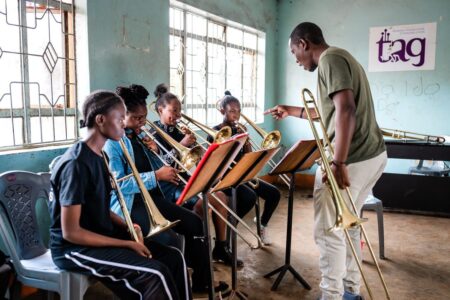
Many of the students we began with, back in 2006, are the first in their families to finish school, to attend university, and to build careers. The truly amazing part is that now, as young adults, their dream is not to escape. Their dream is to return. They come back to their communities—with purpose, compassion, and determination. More often than not, they come back to Ghetto Classics as teachers. Most of our current 42 teachers once sat where our students now sit. The learners have become leaders.
Which means, of course, that the program no longer “belongs” to me.
This is the change moment, the rebirth, I’m referring to. While my name may remain the one most often associated with the program, Ghetto Classics now belongs to a generation shaped by it, nurtured by its values, and inspired by its possibilities. It’s time for me to begin to let go.
I’m excited to share this moment with Ensemble readers, because I know that many are in similar positions. The global “music education for social impact” movement began about two decades ago, spurred by the revelatory example of Venezuela’s El Sistema. So, around the world, founders like me are seeking to pass on some, or perhaps all, aspects of their leadership to young people who are inspired to continue the work.
For all of us, this time of transition and reinvention is exciting. And some aspects of it are easy. For example, we don’t have to explain this work to young leaders, because they’ve already lived its impact. They’re not aspiring to bring change; they are the change.
Other aspects of transition are harder. We face questions like: How do I begin the specific process of transferring my work to young leaders? How can I best help them receive the transfer?
Here are a few things I’ve learned along the way, about setting up a transition process to succeed:
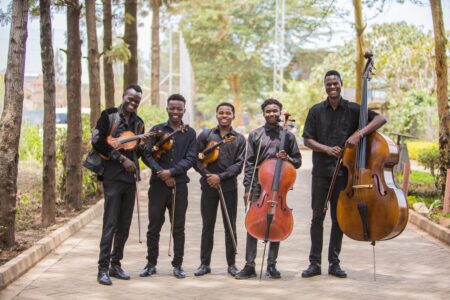
- Identify leaders early. Who takes the initiative to explore how things could be improved? Who shows up, in ways beyond being a player? Start to give these students small leadership roles; put them in charge of projects and support them along the way. Nothing is better than learning through experience. Check in with them often; young people can be easily discouraged if they’re dealing with family life issues at home.
- Start early to skill them up about how to resolve challenges and conflicts. Those are important skills in running a program in a volatile environment.
- Delegate whenever you can, right from the beginning, so that everyone feels part of the program.
- Find partners who can help build your young leaders’ skills in ways that your organization might not be able to—for example, communications, finance, and business planning. They will bring those skills back to the program.
- Where possible, find mentors for your best leadership candidates—to whom they are accountable, and who help them chart a life journey. This has been my best hack!
- Finally: Document your processes and experiences from the beginning, including the things that don’t work well. That information will be invaluable to new leaders.
This moment of “passing it forward” isn’t about simply stepping away from the work. It’s about releasing it into the hands of those ready to carry it forward. Eighteen years ago, this movement of ours was a fragile idea. Today, it is a global force. I believe it’s poised to become a worldwide ecosystem of music, mentorship, creativity, and hope.
Contenido relacionado
Collaborations, Community Building, Featured, Gather Together, Middle East, Palestine, Program Design, Teaching & Learning
In Gaza, Children Sing with Drones
Patrick Scafidi
All Regions, Collaborations, Community Building, Events/Performances, Gather Together, News and Resources, Professional Development
SIMM Seminar Deadline Extended
Patrick Scafidi
Collaborations, Community Building, Europe, Featured, France, Program Design, Teaching & Learning
Jeunesses Musicales International: The Story Behind the Movement
Patrick Scafidi
All Regions, Community Building, Editorials, Gather Together, Medellín, Opinion, Perspectives & Collective Action, Professional Development, Program Design, Teaching & Learning, the ensemble
EDITORIAL
When an Instrument Case Means ‘Don’t Shoot’: Symbolic Recognition in Medellín
Patrick Scafidi