Destacado


Teacher Learning through the Spark of Action Research
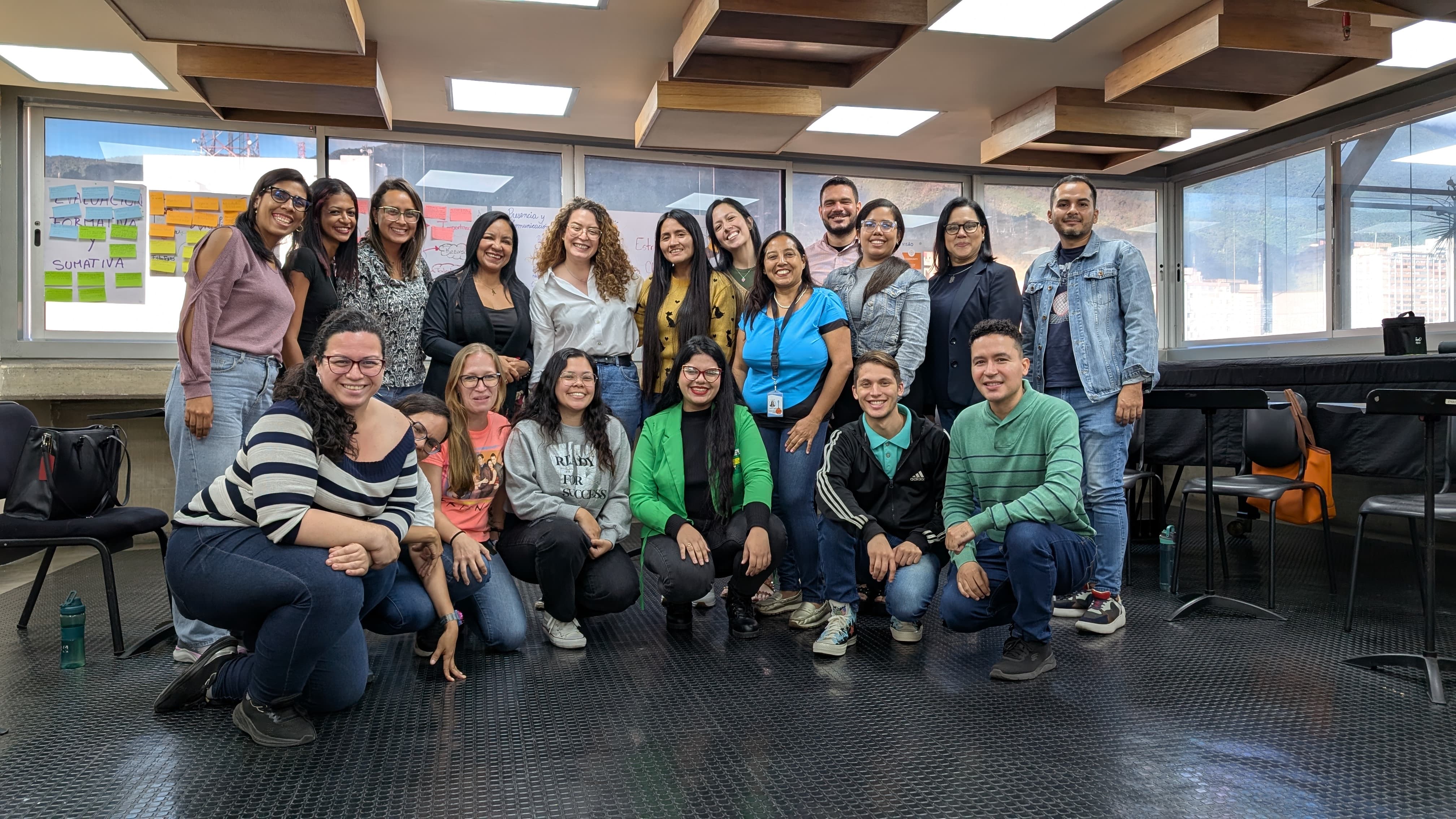
Francis Gagliardi, Program Director, Nucleo, London, England; member of first Firebird team at the Academy for Impact Through Music
How can I contribute to making something that’s already great even better?
That was the question I asked myself when I took on the challenge of carrying out the first Academy for Impact Through Music (AIM) Chispa, in Caracas, Venezuela, in December 2024.
Can Young Children Learn to Identify Harmonic Progressions by Ear? Yes, They Can!
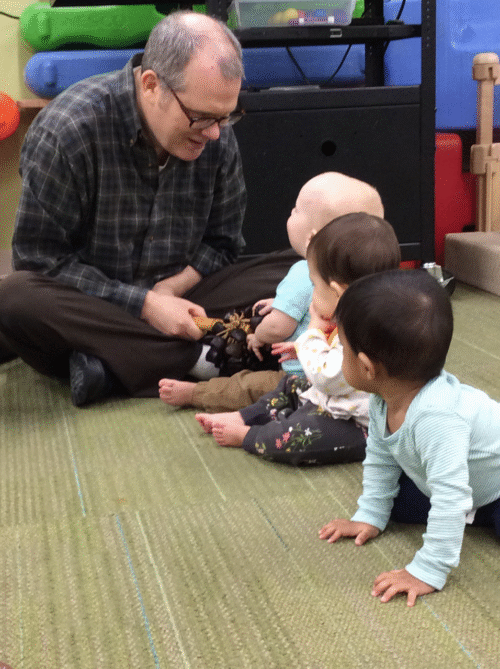
Dr. Eric Rasmussen, Chair, Early Childhood Music Department at Peabody Conservatory; educator, author, and researcher
Unfortunately, many music teachers rely on a notation-first approach, teaching students to read music symbols before they have a strong foundation in listening, singing, and rhythmic chanting. Because we jumped the notation hurdle, often relying on math and puzzle-solving skills in addition to our propensity for learning music, we sometimes assume (incorrectly) that most children will have the same capacities.
The principles of MLT guided my teaching at OrchKids (the El Sistema-inspired program in Baltimore, MD, USA), and the results were extraordinary.
In Oregon, a More Neighborly Approach Brings Joy
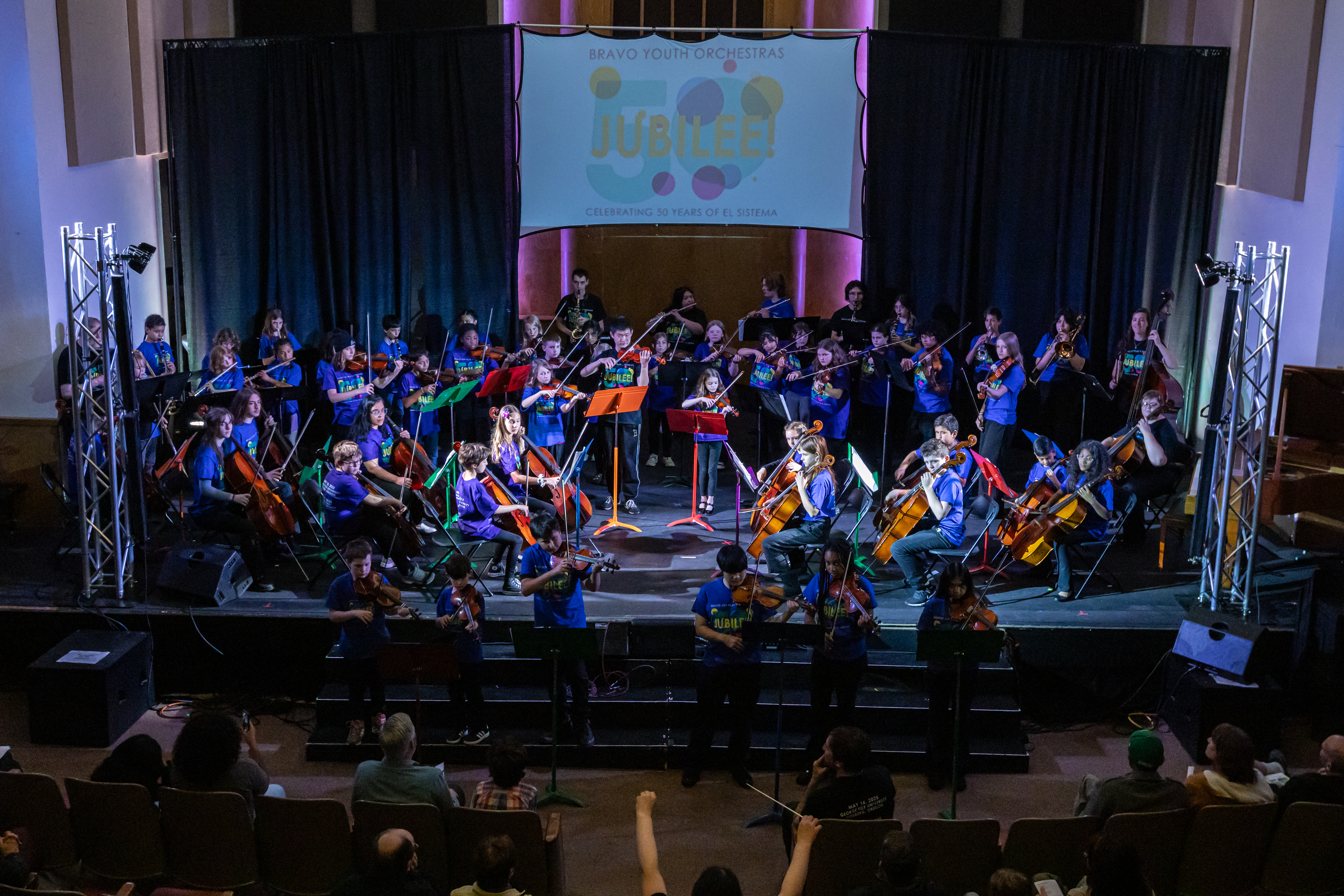
Neal Spinler, Executive Director, BRAVO Youth Orchestras
The majority of the population is in Portland, at the northern border, with most everybody else residing along the “I5 Corridor”—Interstate 5, a major north-south highway that runs from Portland to California. BRAVO serves a region at the very northern tip of Portland; JOY serves students in Yamhill County. North Portland is a diverse blue-collar area with shipyards, warehouses, and port terminals; Yamhill County is the heart of Oregon’s famed Willamette Valley, a region known best for its fabulous wineries. But while the county boasts fancy vineyards and tasting rooms, it is also filled with farms and the hardworking farmhands and families.
Just 46 miles apart, our landscapes could not be more different. And yet the work we do could not be more aligned.
Arts in Action: Case Studies by Global Leaders Institute Fellows
Meagan Hughes, Journal Coordinator, University of Florida Center for Arts in Medicine; Music Therapist; Content Coordinator, The Ensemble
A shining example of the program’s wide-reaching impact is Arts in Action, an online journal of in-depth case studies crafted by GLI Fellows as a result of their fieldwork collaborations with arts organizations around the world. With over 25 studies addressing both common and unexpected issues facing arts organizations, this collection is a treasure chest of actionable advice for arts practitioners to maximize their social impact. GLI Fellows take care to embed a relationship-oriented approach within their systematic analysis, ensuring that these studies speak with an authentic voice while holding timeless value for readers. Read on to experience the depth and breadth of Arts in Action’s library through three case study examples, which we believe will resonate with our equally diverse Ensemble readership.
In the Democratic Republic of Congo, Music Moves Us Forward

Rene Byamungu, Workshop Leader in Musicians Without Borders’ partner program Kivu Youth Music, as told to The Ensemble
In the North Kivu Province of the Democratic Republic of Congo (DRC), the capital city of Goma sits between several mining towns and valuable minerals. Part of an active volcanic region rich in resources, the city serves as an essential transport hub for the nation—and, more importantly, as home to nearly 2 million people, many of whom have been displaced.
This past year, those 2 million have lived through extraordinarily difficult circumstances as the rebel group known as M23—the March 23 Movement—took control of the city. But perhaps none are more affected than the children. Over 2,000 schools in the region have been closed, with many thousands of students displaced and forced to witness the horrors of war, including the deaths of loved ones. As the fighting continues, these young people have been increasingly isolated and ignored, left without opportunities to connect with one another, explore their feelings, and celebrate joy.
And yet, as Workshop Leader Rene Byamungu writes, joy has persisted in North Kivu through music:
Patagonia’s Huilo Huilo Festival Blends Musical Excellence with Social Impact
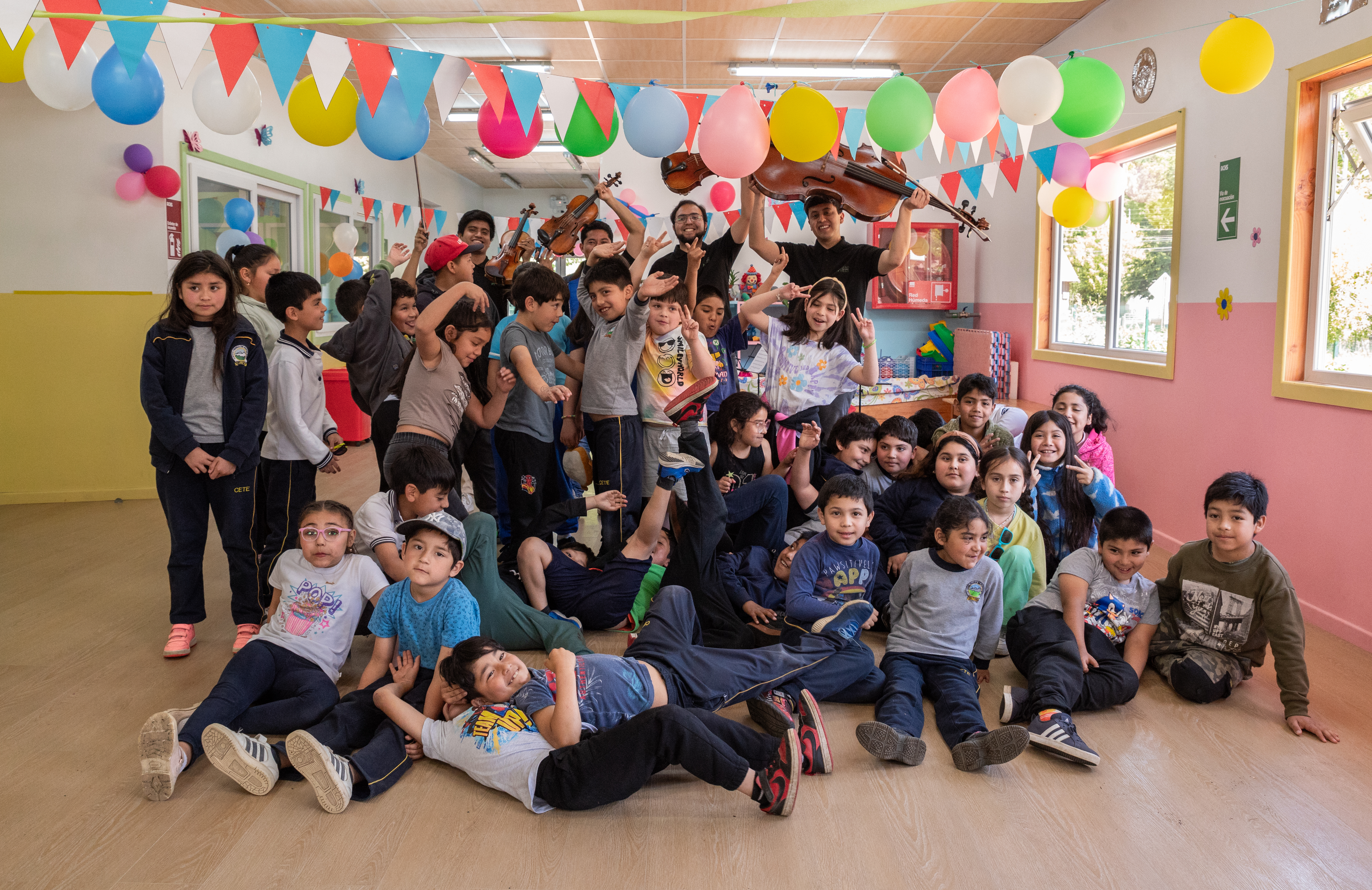
Barbara Domingos, Artistic Producer, São Paulo State Symphony Orchestra (OSESP); Artistic Operations Manager, Huilo Huilo Music Festival; 2022 cohort member, Global Leaders Institute
In the heart of Chilean Patagonia, the strings of a violin resonate deep within the temperate forest. Birds sing in harmony with the refined sounds of bows gliding over the strings; leaves whisper centuries-old stories. The Huilo Huilo Biological Reserve, where endangered species are protected, also embraces a group of young musicians—along with their mentors, who are string principals in the Brussels Philharmonic—during daily rehearsals and performances. It’s an inspiring fusion of human artistry and Patagonian majesty.
Child’s Play India’s Glass is Half-Full, Half-Empty
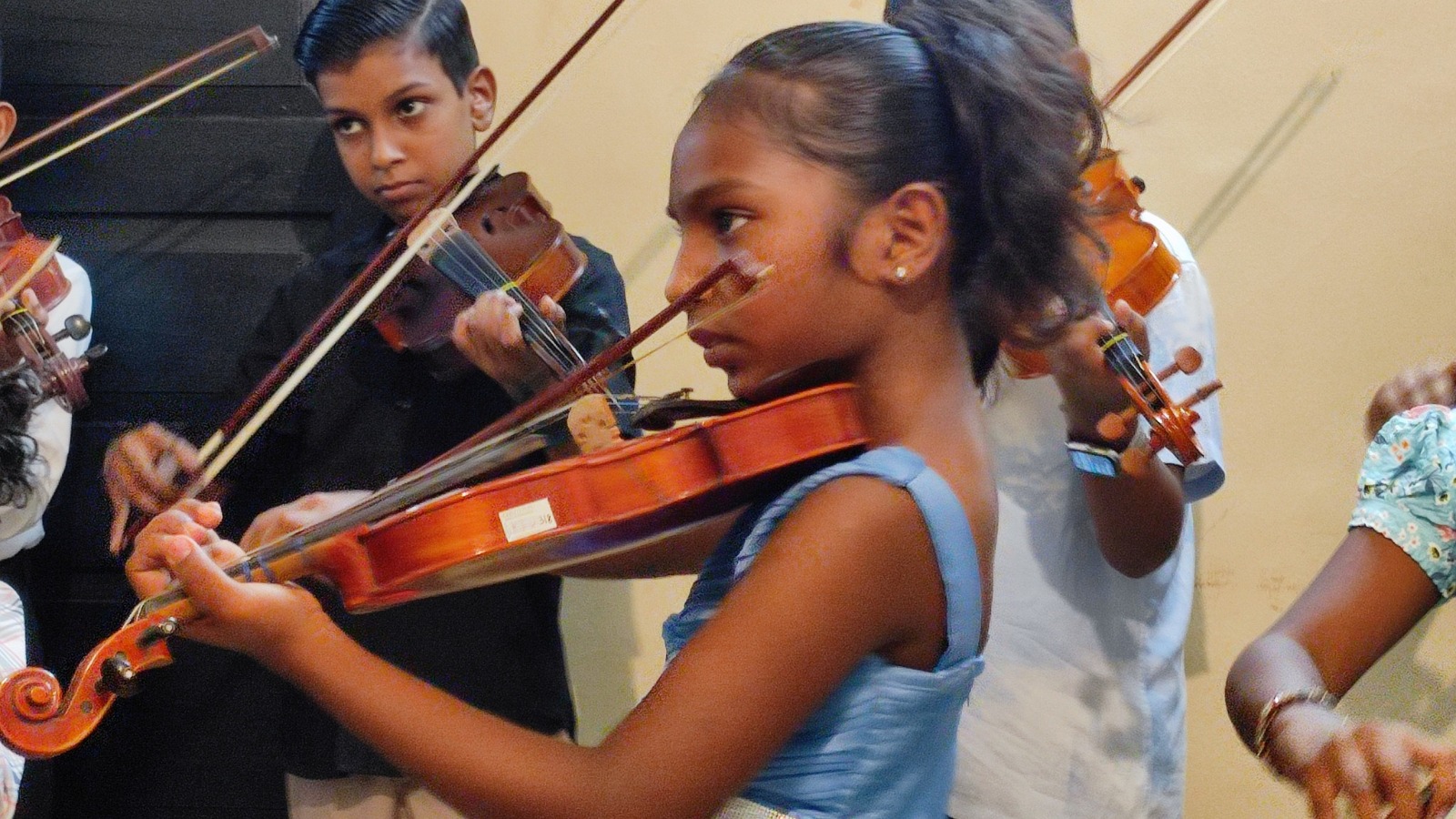
Dr. Luis Dias, Founder/Director, Child’s Play India Foundation in Goa, India
Unlike more privileged settings, we could not make the switch to online teaching; we did try it, but most of our children did not have their own phones, and there were other issues, such as out of tune instruments, strings broken, and instruments outgrown. When the lockdown eventually lifted, many of our children had moved out of area or progressed to higher mainstream education which took them away from music lessons, either geographically or in terms of available time. We have had to start over, with new groups of children for violin and cello.
But there is also good news to balance things out.
In Thailand, an International Partnership Opens New Pathways

Thomas Duncan, Chief Programs Officer, Playing For Change Foundation
With their decades of positive impact and wealth of institutional knowledge, it would have been easy for DWS to focus on maintaining their success. Instead, we at the Playing For Change Foundation were recently privileged to partner with DWS to bolster and expand their music program. The initial goals of our partnership were simple: identify and hire professional music educators who can help take the existing program to the next level, and maintain the standard of excellence that DWS has achieved in its other extracurricular programming.
Reggae Roots at Sistema Toronto – Jane Finch

Kelsy Vivash, Marketing & Communications Manager, Sistema Toronto
Working in this field has shown us how a diverse, inclusive curriculum can activate a student’s passion and sense of self. At Sistema Toronto, our goal is to have repertoires that represent our students and the communities they live in. With that in mind, Sistema Toronto invited Juno-nominated reggae artist Jah’Mila to work with students at our Jane Finch Centre this March as part of a months-long exploration of reggae music titled Reggae Roots. Our students spent January and February preparing for three days of workshops led by Jah’Mila and a culminating concert.
In Chicago, One Piece of Music Brings a City Together
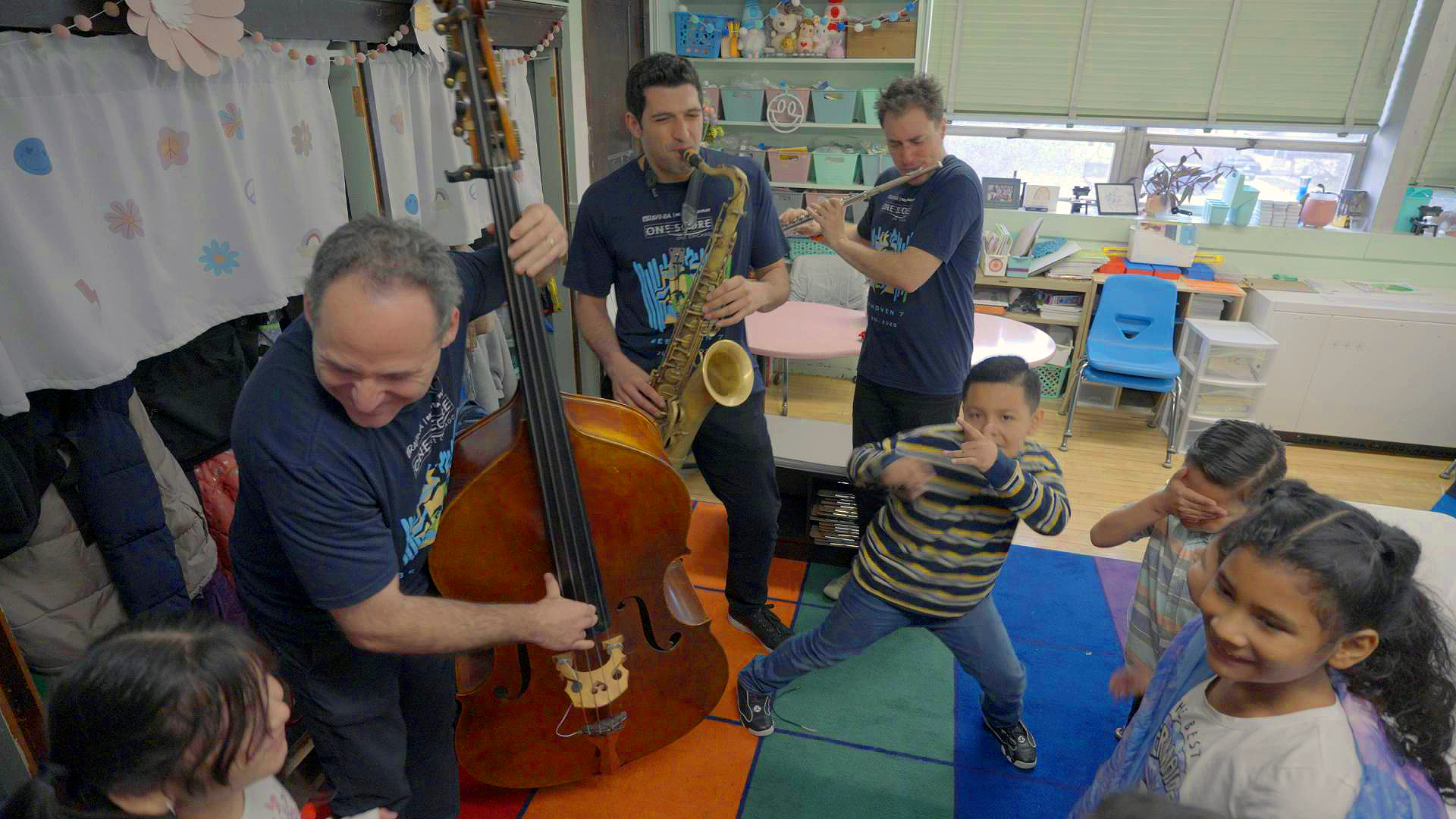
Christine Taylor Conda, Executive Director of Education & Community Engagement, Ravinia Festival
During the two magical years I spent in Jamaica as a child, my aunt would visit our house every Thursday evening after work. I remember our family spending dinnertime on orange pleather cushions, listening to broadcaster Leonie Forbes recite poetry on the radio as classical music played in the background. That dinner table is where I first fell in love with Beethoven’s 7th Symphony, and my family still talks about those Thursday nights we spent together.
Now, as Ravinia searches for inventive ways to reinvigorate interest in great musical works, those Thursday evenings come to mind.
Now, as Ravinia searches for inventive ways to reinvigorate interest in great musical works, those Thursday evenings come to mind.


