Featured


Chiquinha Gonzaga Orchestra: Building a Culture of Peace Through Music
Diogo Pereira, Executive Director, Harmony Project Phoenix; Consultant, Instituto Brasileiro de Música e Educação (IBME)
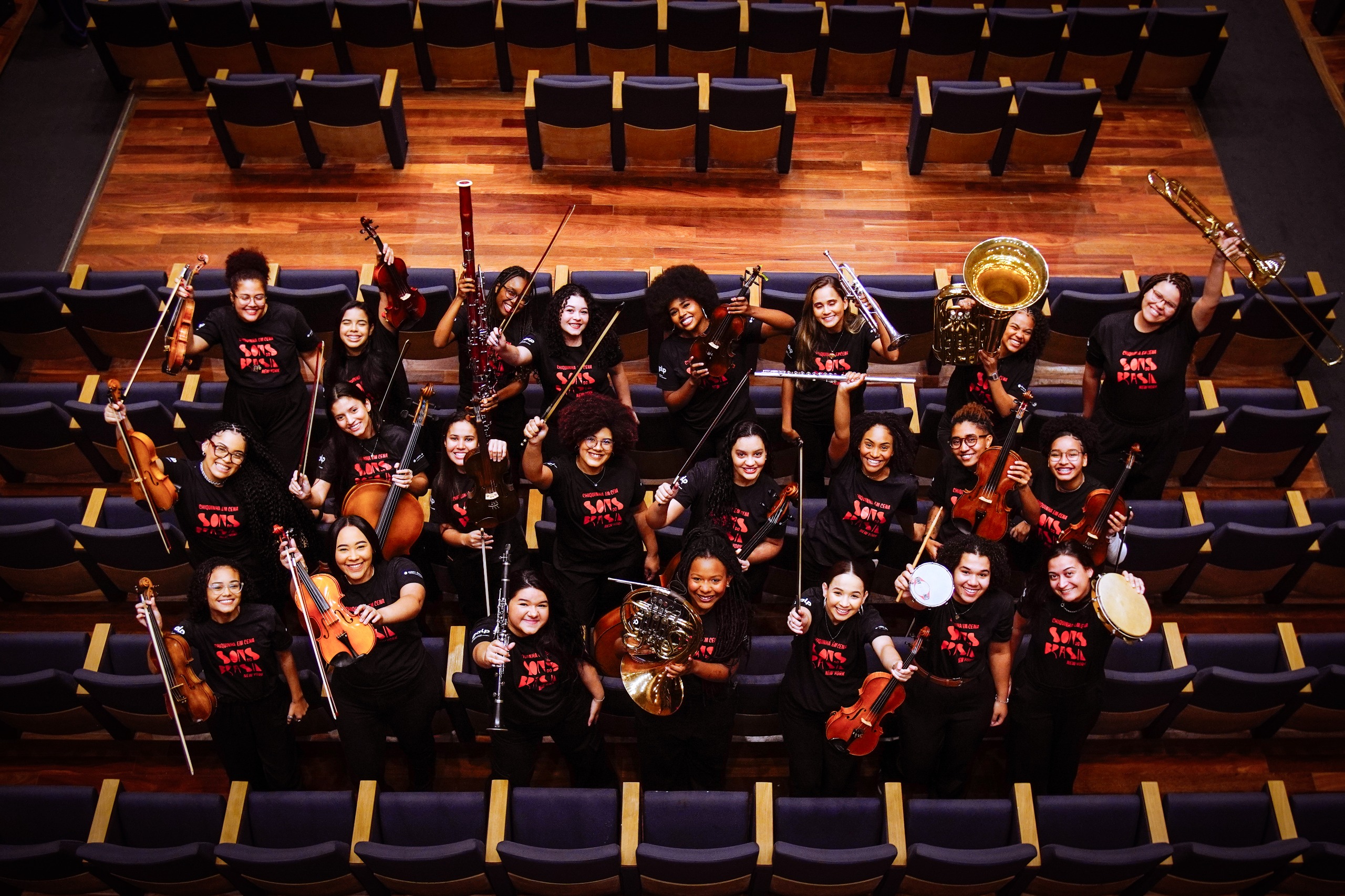
The Brazilian Institute of Music and Education (IBME – Instituto Brasileiro de Música e Educação) was launched in 2011 with just 15 students. Today, it serves more than 4,000 young people and continues to grow. Among its many talented ensembles, one stands out: the Orquestra Sinfônica Juvenil Chiquinha Gonzaga, an all-female youth orchestra that celebrates the intersection of Brazilian classical and popular music.
A Project in Cyprus and Portugal Bridges Passion and Profession
Tasos Kyriakou, Music Teacher and Project Manager, Sistema Cyprus, and Margarida Abrantes, Coordinator, Orquestra Geração
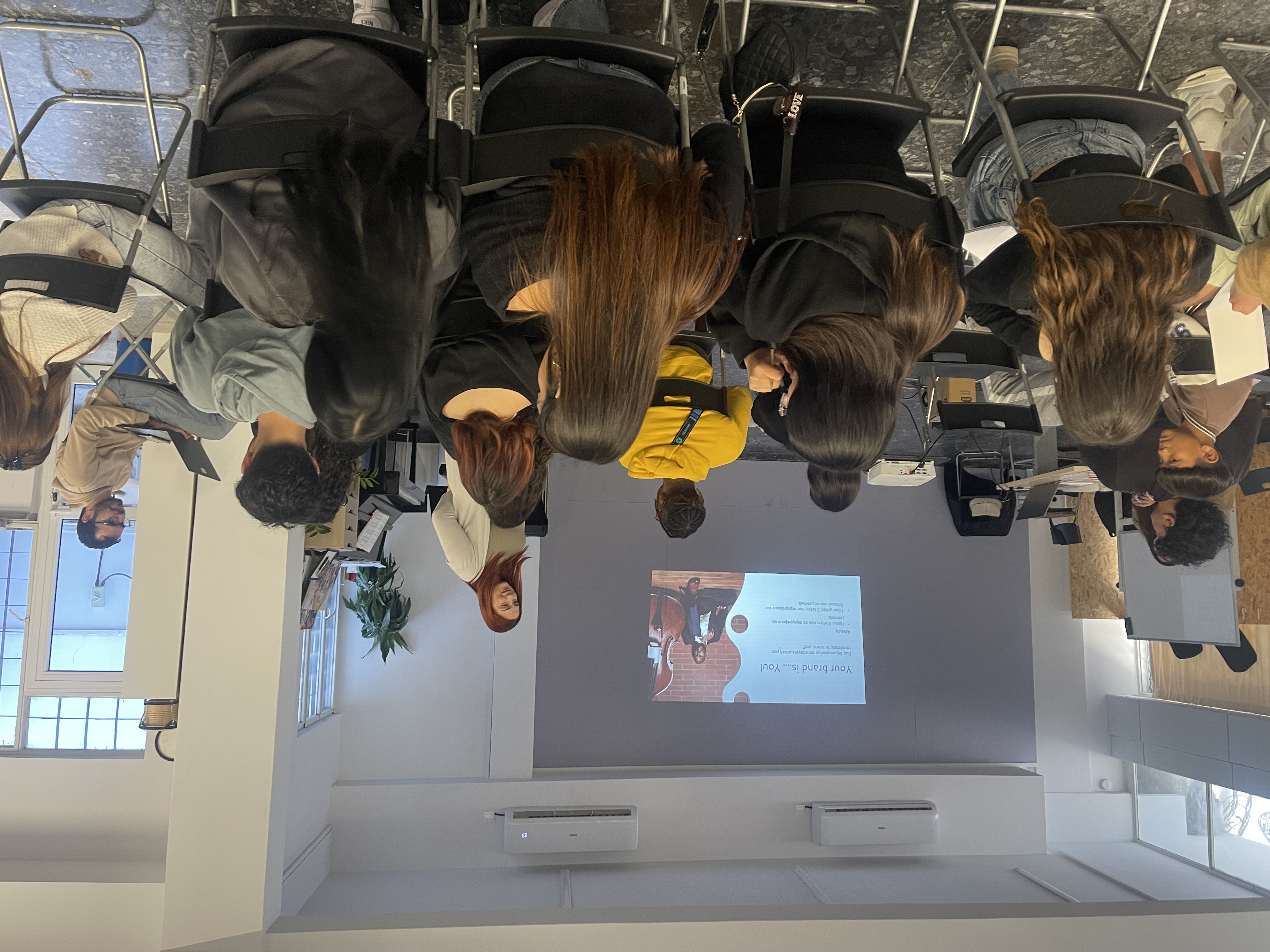
What does it take to turn a young musician’s passion into a meaningful career? For Sistema Cyprus and Orquestra Geração, the answer lies in real, structured opportunity, tailored to young people who are too often overlooked by traditional systems.
Our two organizations have long collaborated on other successful European projects. Building on that experience, and seeing the similar challenges our students face, we teamed up once more to create the Erasmus+ project “InMus: From Youth to Professionalism.”
In Genoa, an Ensemble for Every Phase of Life
Lara Camia, Project Manager, Trillargento and Matteo Guerrieri, Artistic Director and Conductor, Trillargento
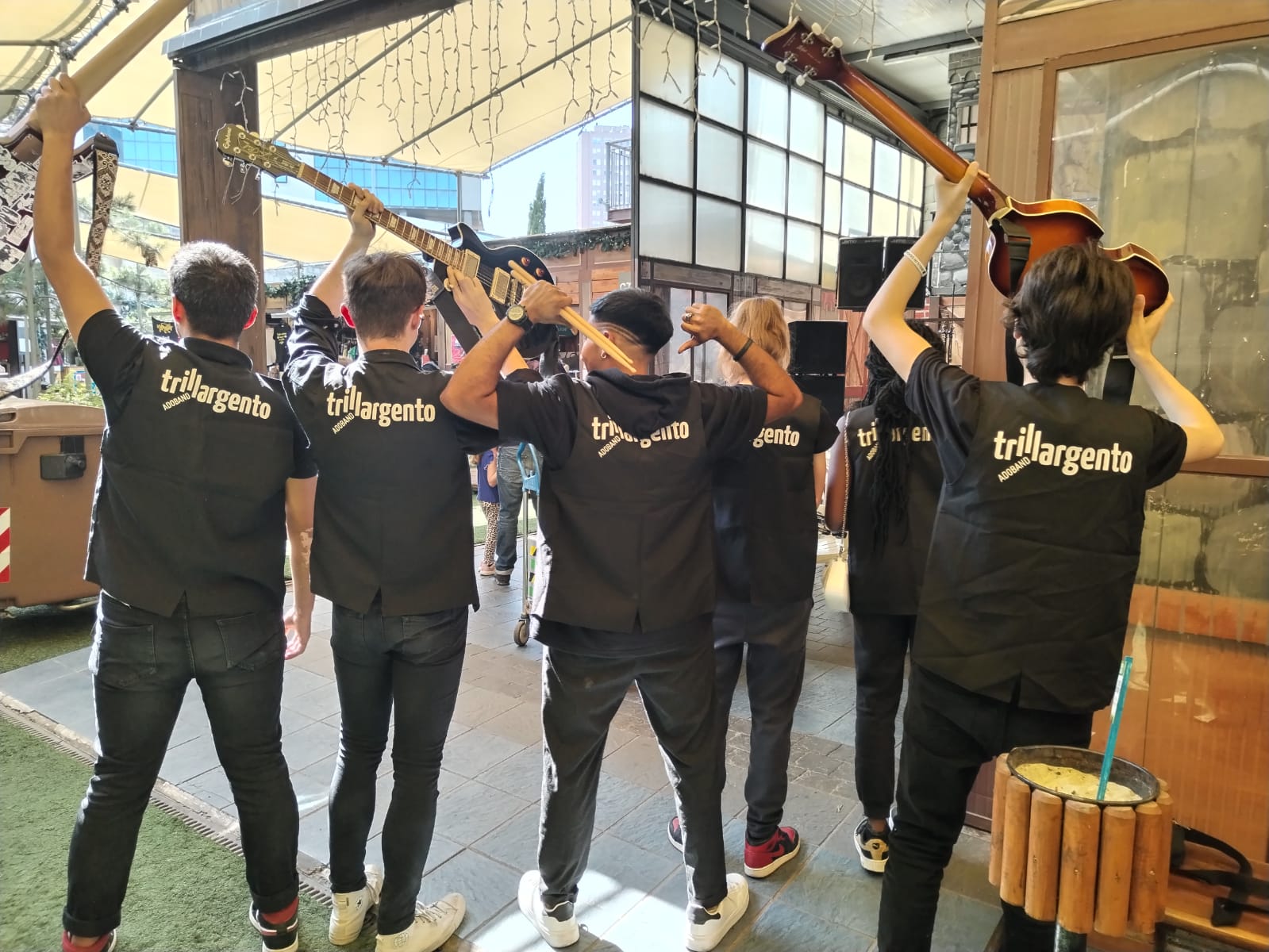
Trillargento is a community-based music program founded in Genoa, Italy, that explores how ensemble music practice can foster social inclusion, personal growth, and cultural participation. Over the years, we’ve grown into a multi-layered ecosystem of ensembles, each responding to a specific need but together forming a single educational journey that integrates musical development with social and emotional learning.
Sinfónica Azteca: Empowering Young Musicians Across Mexico, the Americas, and Beyond
Adrián Nájera-Coto, Sinfónica Azteca Project Manager, Orchestra of the Americas Group
The story of Sinfónica Azteca begins about five years ago, when the world was just beginning to reemerge from the COVID-19 pandemic. Across the globe, music programs and youth orchestras were struggling to survive. The need to restore trust in live music and reignite enthusiasm among young musicians had never been greater.
In Mexico, this posed a double challenge, since we had always lacked a national youth orchestra capable of uniting the country’s young musicians in high-caliber, immersive artistic experiences.
Sitting in the Student Seat at AIM’s Fire Up Residency
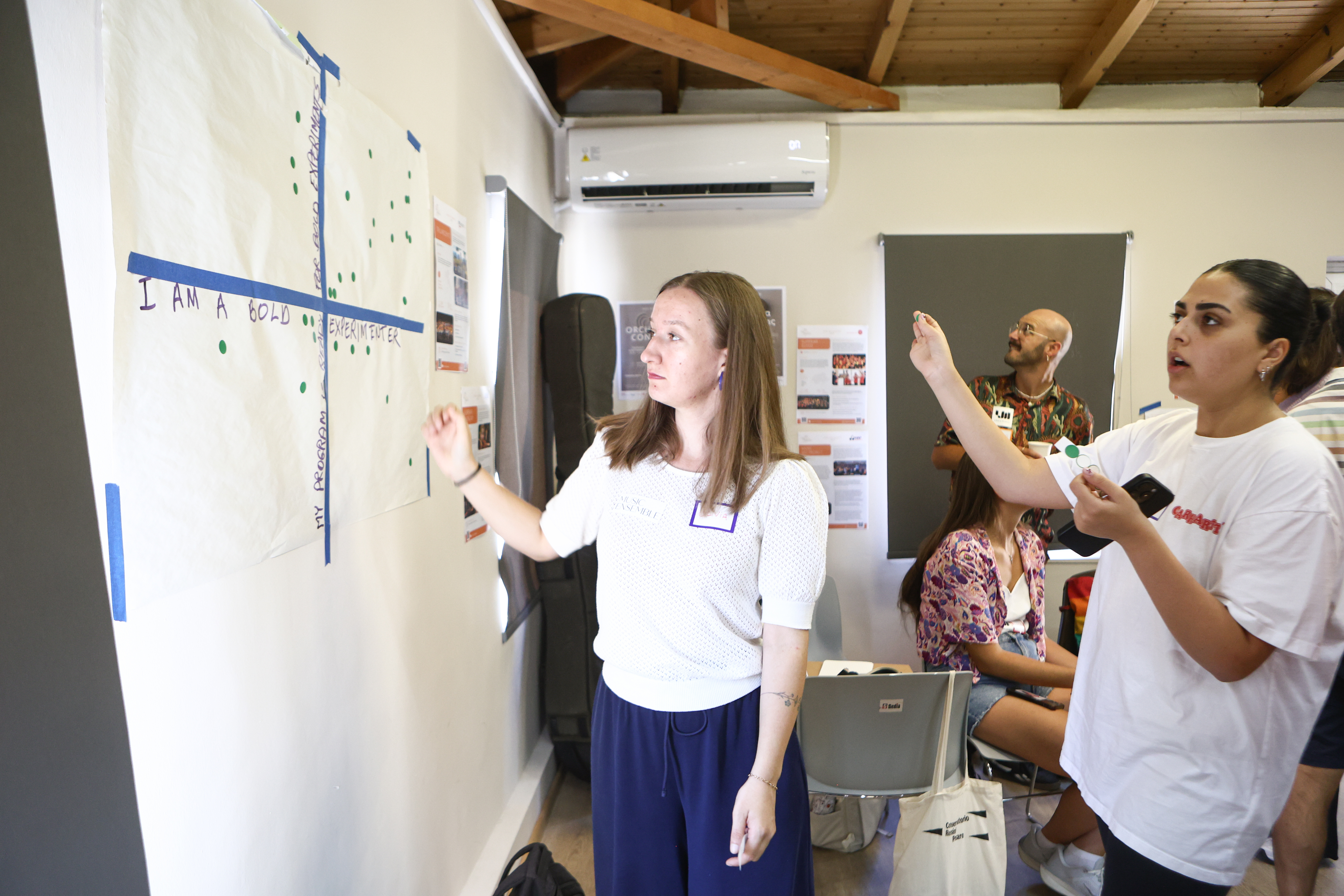
Olivia Romanet, Music Theory Teacher, MusicEnsemble, Conservatoire de Musique de Genève
That first day, I felt like a teenager: somewhat defiant, hesitant to initiate, eager to observe, even mistrusting…but also wanting to chat, meet people, laugh, and share.
AIM knew what they were doing. We’d found ourselves on the other side of the classroom, sitting in the student chair. And in experimenting with ways to develop our own community and agency—our capacity for action—as educators, we found ourselves viewing students’ needs with new empathy.
New Guiding Pillars Amplify Our Collective Voice
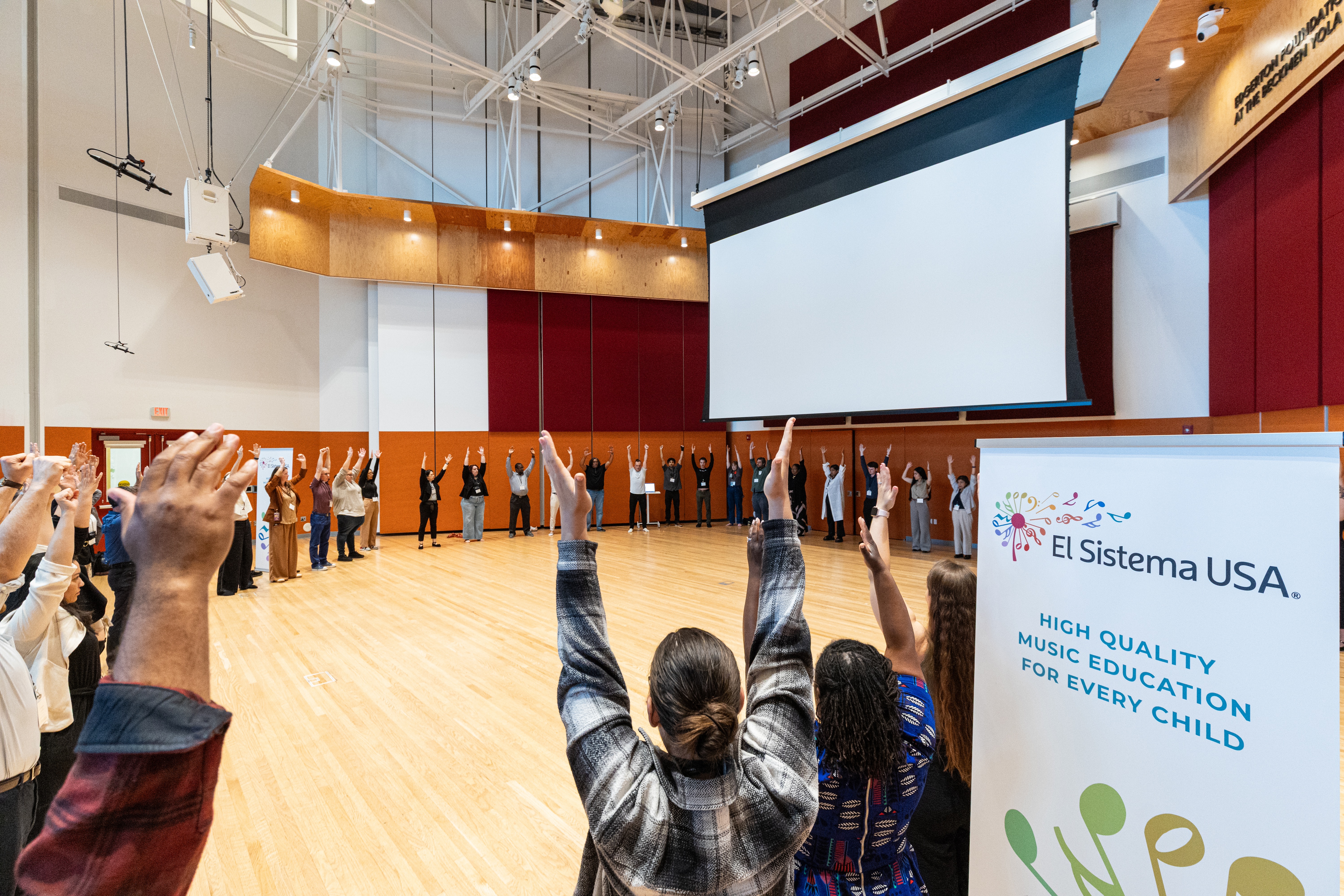
Elizabeth Moulthrop, Executive Director, El Sistema USA
Nearly two decades ago, a handful of United States programs that were inspired by El Sistema in Venezuela opened their doors. Since then, El Sistema USA® has become a network of more than 150 organizations—the largest such network in the world. Our members represent a diverse array of music programs from dozens of states, as well as international programs in adjacent countries from Canada to Haiti. Given the diversity and breadth of our network, it’s reasonable to ask: What is the common thread between these programs? And why does this collective work matter? Watching and helping this coalition grow and evolve, we have been able to isolate a few distinct qualities that unite us and affirm the power of our collective voice.
Teacher Learning through the Spark of Action Research
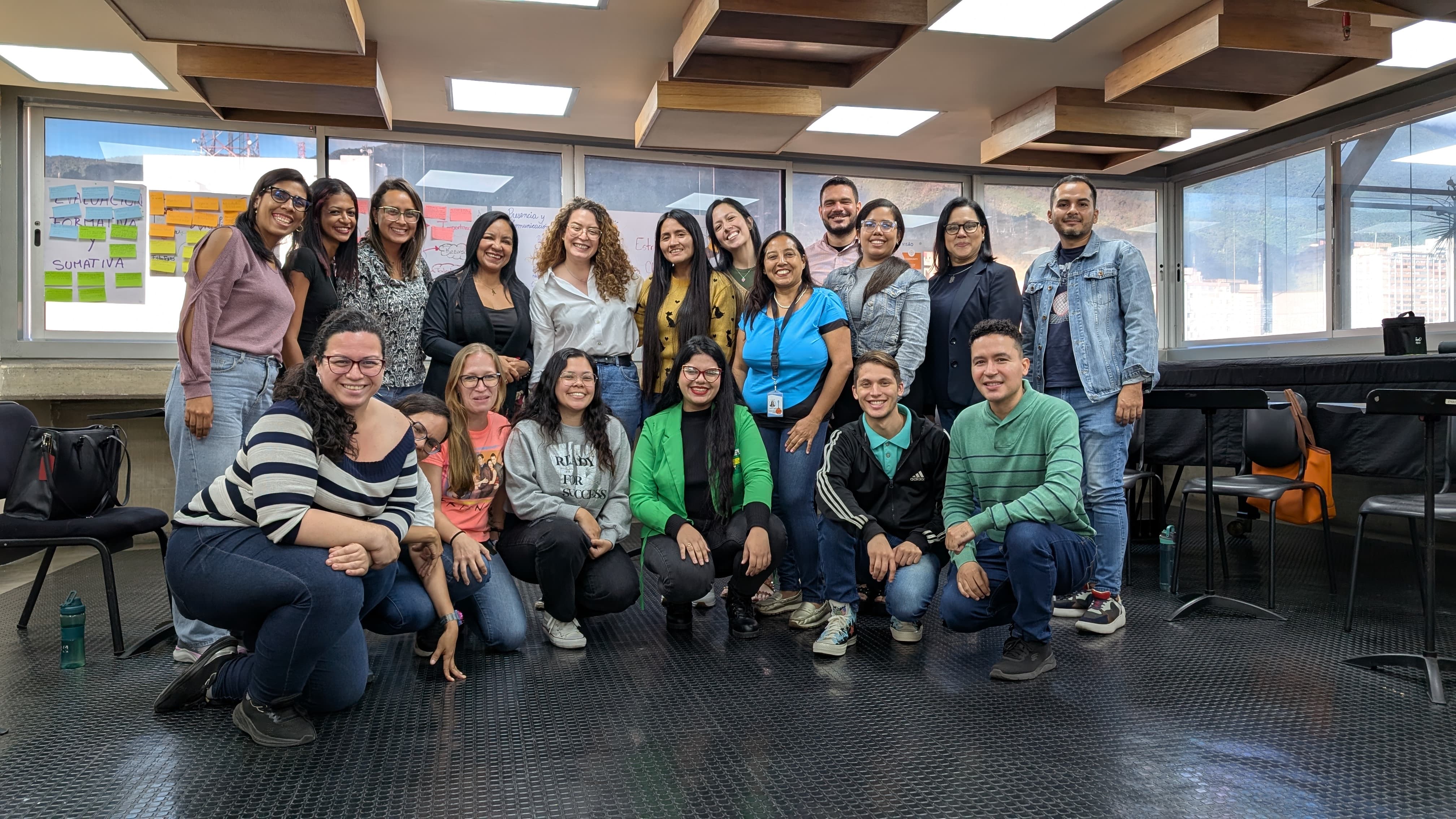
Francis Gagliardi, Program Director, Nucleo, London, England; member of first Firebird team at the Academy for Impact Through Music
How can I contribute to making something that’s already great even better?
That was the question I asked myself when I took on the challenge of carrying out the first Academy for Impact Through Music (AIM) Chispa, in Caracas, Venezuela, in December 2024.
Can Young Children Learn to Identify Harmonic Progressions by Ear? Yes, They Can!
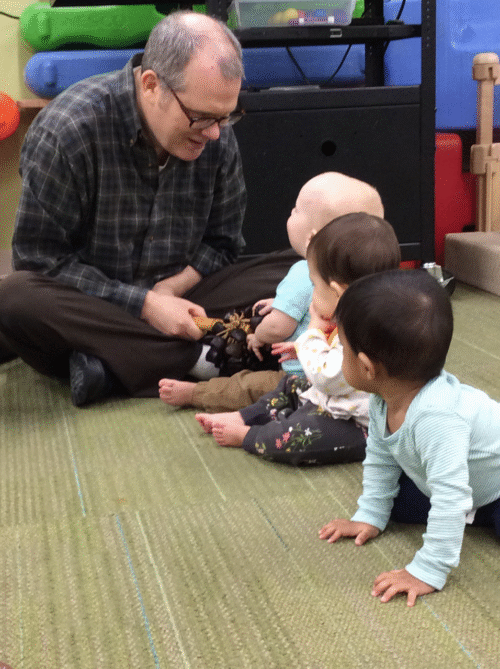
Dr. Eric Rasmussen, Chair, Early Childhood Music Department at Peabody Conservatory; educator, author, and researcher
Unfortunately, many music teachers rely on a notation-first approach, teaching students to read music symbols before they have a strong foundation in listening, singing, and rhythmic chanting. Because we jumped the notation hurdle, often relying on math and puzzle-solving skills in addition to our propensity for learning music, we sometimes assume (incorrectly) that most children will have the same capacities.
The principles of MLT guided my teaching at OrchKids (the El Sistema-inspired program in Baltimore, MD, USA), and the results were extraordinary.
In Oregon, a More Neighborly Approach Brings Joy
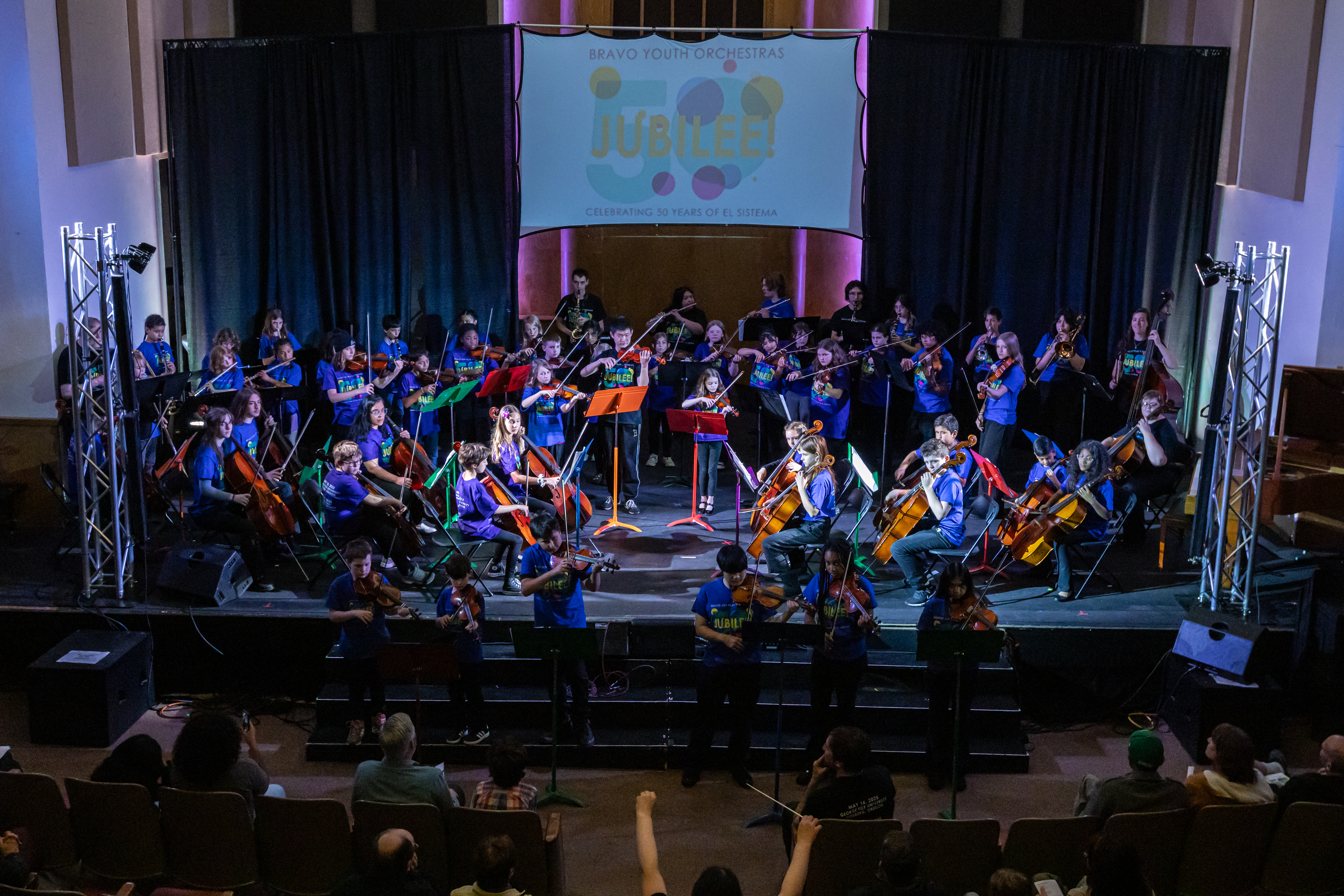
Neal Spinler, Executive Director, BRAVO Youth Orchestras
The majority of the population is in Portland, at the northern border, with most everybody else residing along the “I5 Corridor”—Interstate 5, a major north-south highway that runs from Portland to California. BRAVO serves a region at the very northern tip of Portland; JOY serves students in Yamhill County. North Portland is a diverse blue-collar area with shipyards, warehouses, and port terminals; Yamhill County is the heart of Oregon’s famed Willamette Valley, a region known best for its fabulous wineries. But while the county boasts fancy vineyards and tasting rooms, it is also filled with farms and the hardworking farmhands and families.
Just 46 miles apart, our landscapes could not be more different. And yet the work we do could not be more aligned.
Arts in Action: Case Studies by Global Leaders Institute Fellows
Meagan Hughes, Journal Coordinator, University of Florida Center for Arts in Medicine; Music Therapist; Content Coordinator, The Ensemble
A shining example of the program’s wide-reaching impact is Arts in Action, an online journal of in-depth case studies crafted by GLI Fellows as a result of their fieldwork collaborations with arts organizations around the world. With over 25 studies addressing both common and unexpected issues facing arts organizations, this collection is a treasure chest of actionable advice for arts practitioners to maximize their social impact. GLI Fellows take care to embed a relationship-oriented approach within their systematic analysis, ensuring that these studies speak with an authentic voice while holding timeless value for readers. Read on to experience the depth and breadth of Arts in Action’s library through three case study examples, which we believe will resonate with our equally diverse Ensemble readership.


