Capacitación de los jóvenes


Summer Rock in the Balkans
Each summer for the past 18 years, Music Connects has brought 60 young people from divided and marginalized communities across the Western Balkans together in Skopje.
Suggested Reading: Music Reshapes Young Lives in Africa
The Art of Positive Fatalism – Lessons from Kinshasa is a new book by Lukas Pairon, the founder of the international research organization SIMM (Social Impact of Making Music).
An International Exchange Program Shifts Power Through Music
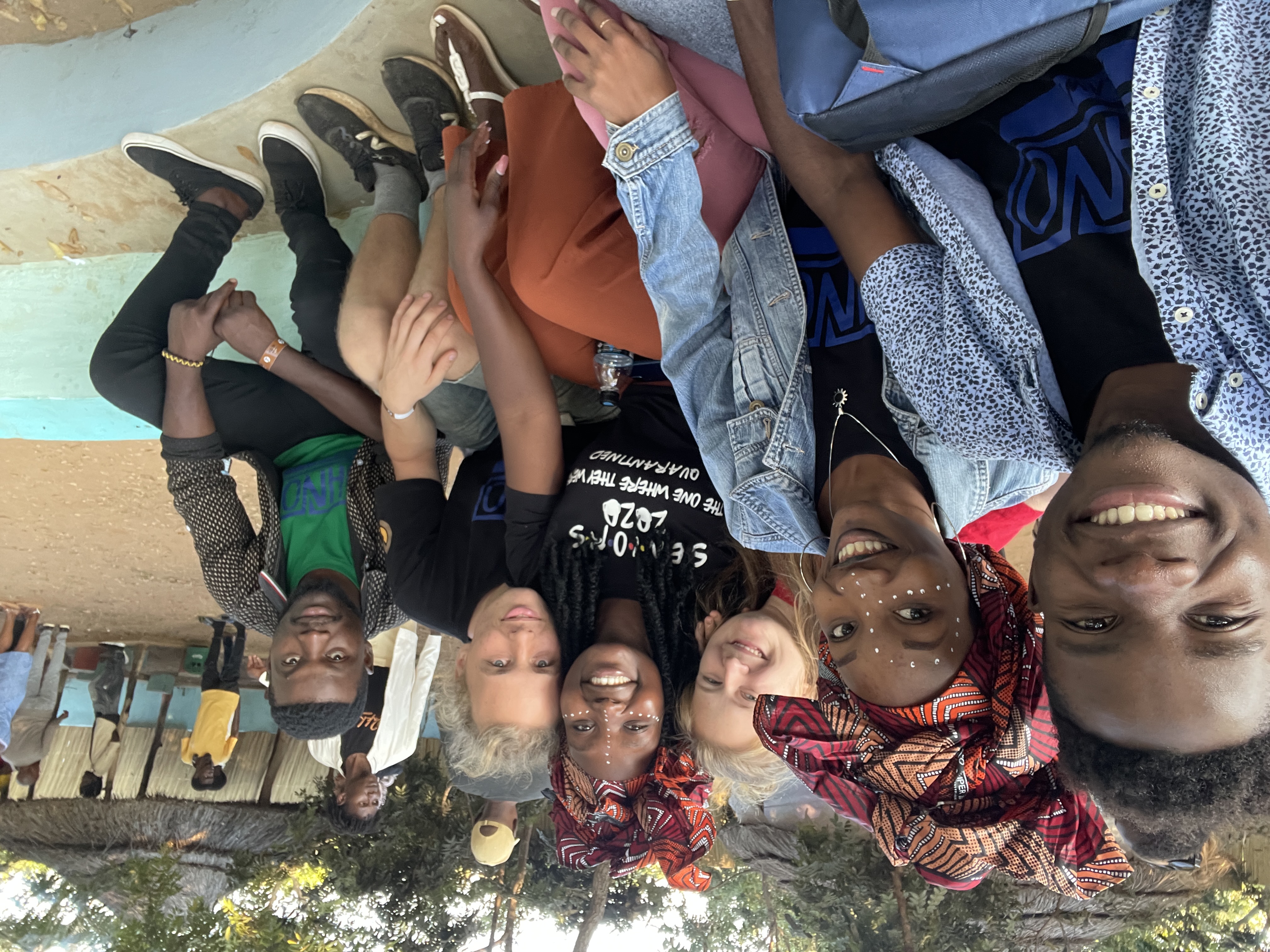
Siri Syverud Thorsen, Project Manager for Musicians and Organizers Volunteer Exchange (MOVE) at Jeunesses Musicales Norway
While our daily lives are rattled by increasing global instability, polarization, and apathy, culture workers working toward youth empowerment and social change share many of the same questions. How do we empower young people without transferring unreasonable responsibility? How do we equip and motivate while acknowledging legitimate, sometimes harsh realities? How do we facilitate interconnectedness, in times of global dehumanization?
Arts Communities Drive Manchester Forward
Sam Davies, Founder, The Untold Orchestra; Alumnus, Global Leaders Institute
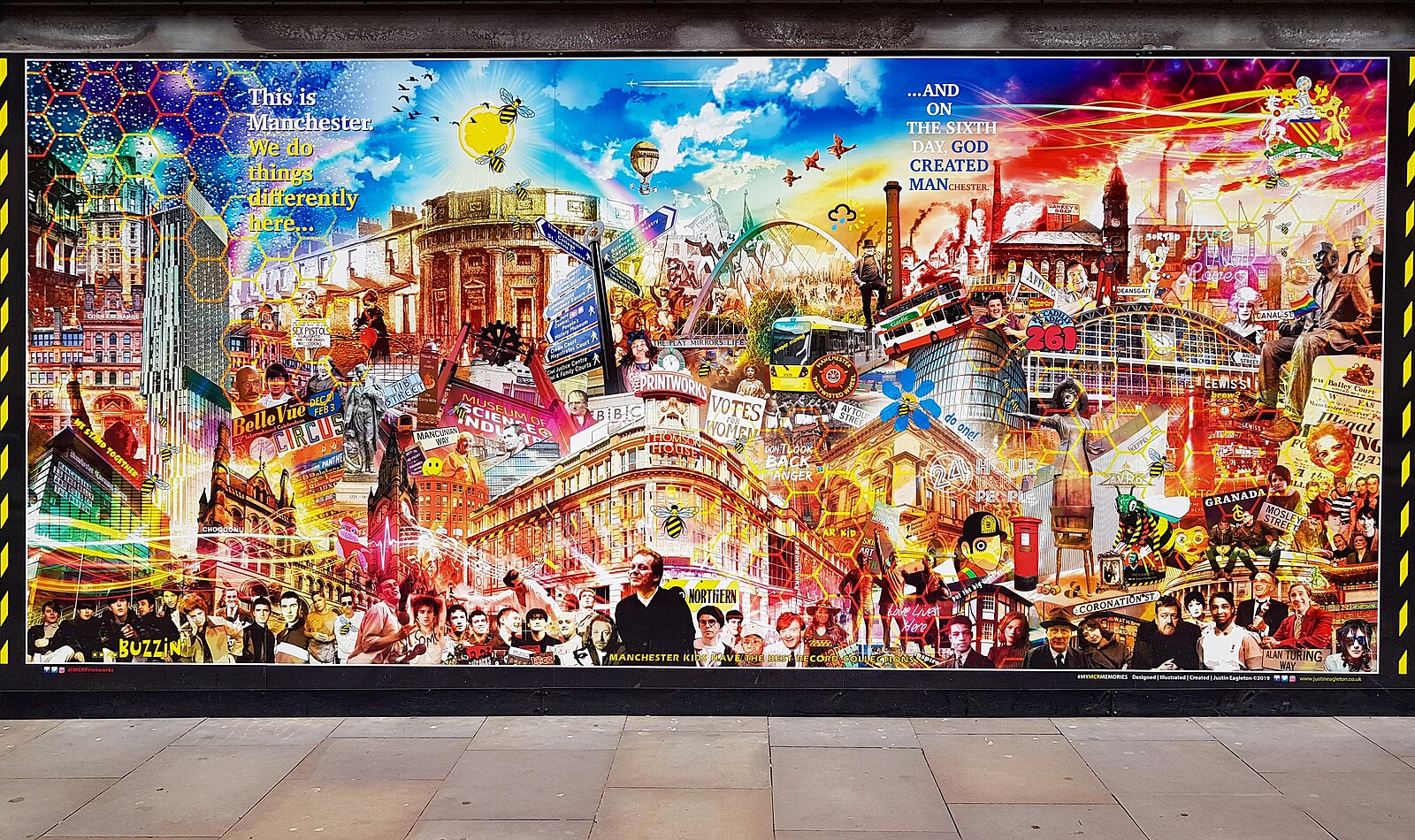
“We do things differently.” That’s the motto of Manchester, England—and if you’re walking through the city, it doesn’t take long to see that it prides itself on its innovation and creativity. I’ve been fortunate to spend my 20s here, learning from the legacies of changemakers both past and present. So many of the city’s most impactful figures have been—and still are—artists working directly with communities.
Inspired by the people, creatives, and communities around me, I spent the second half of my 13 years in Manchester founding The Untold Orchestra, a “non-classical” collaborative orchestra that centers community engagement. But this piece isn’t about Untold. It’s about an Art City—that is, a place where arts interventions are prioritized and supported by the people who live there, and then rewarded with community, creativity, and positive social change.
Students Across Continents Sing Their Way to Climate Action
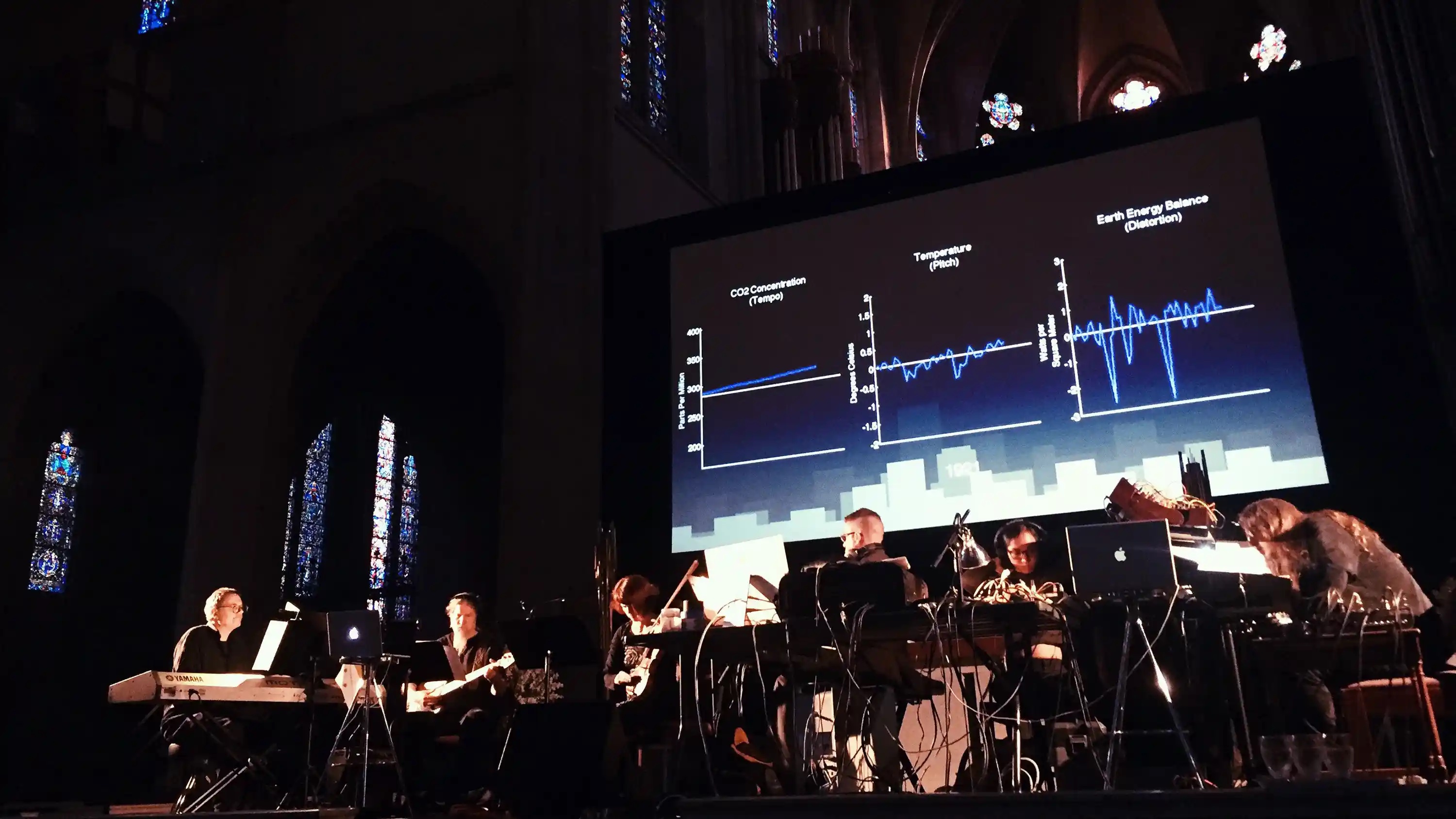
Natalie Osby, Student, Loyola Marymount University; Volunteer and Be Cool! Connections Coordinator, The ClimateMusic Project
Climate change is a complex, often overwhelming issue, causing many to turn away or disengage from conversations about it. That’s where music comes in. Just as we share this planet, we share the language of music. And when we speak it, we have the power to restore our planet’s health and build a thriving network of changemakers.
Along Italian Coast, a Climate-Conscious Program Turns “Rubbish Into Music”
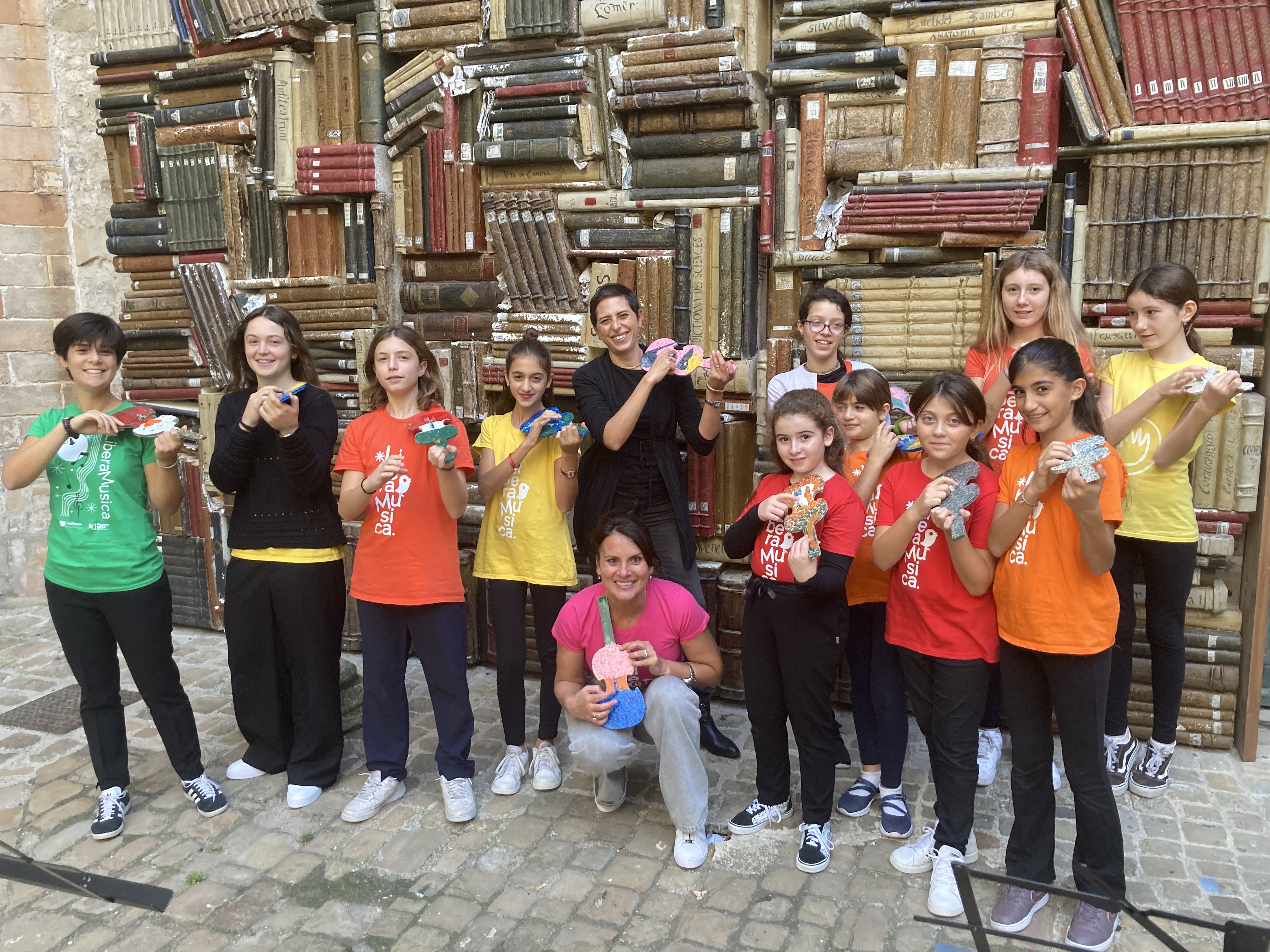
Chiara Galli, Managing Director, and Stefano Murciano, Communications Manager, LiberaMusica
In the city where LiberaMusica operates—Pesaro, Italy, right on the Mediterranean coast—the connection with nature is strong and part of everyday life. From the Apennine Mountains to the coastline, children grow up surrounded by an environment that is rich, fragile, and, today more than ever, in need of protection. In recent years, our region has been marked by extreme events: floods, droughts, and changing seasons are reshaping our landscape. Schools and associations have been working hard to raise ecological awareness, and LiberaMusica wanted to contribute by doing what we know best: making music.
Chiquinha Gonzaga Orchestra: Building a Culture of Peace Through Music
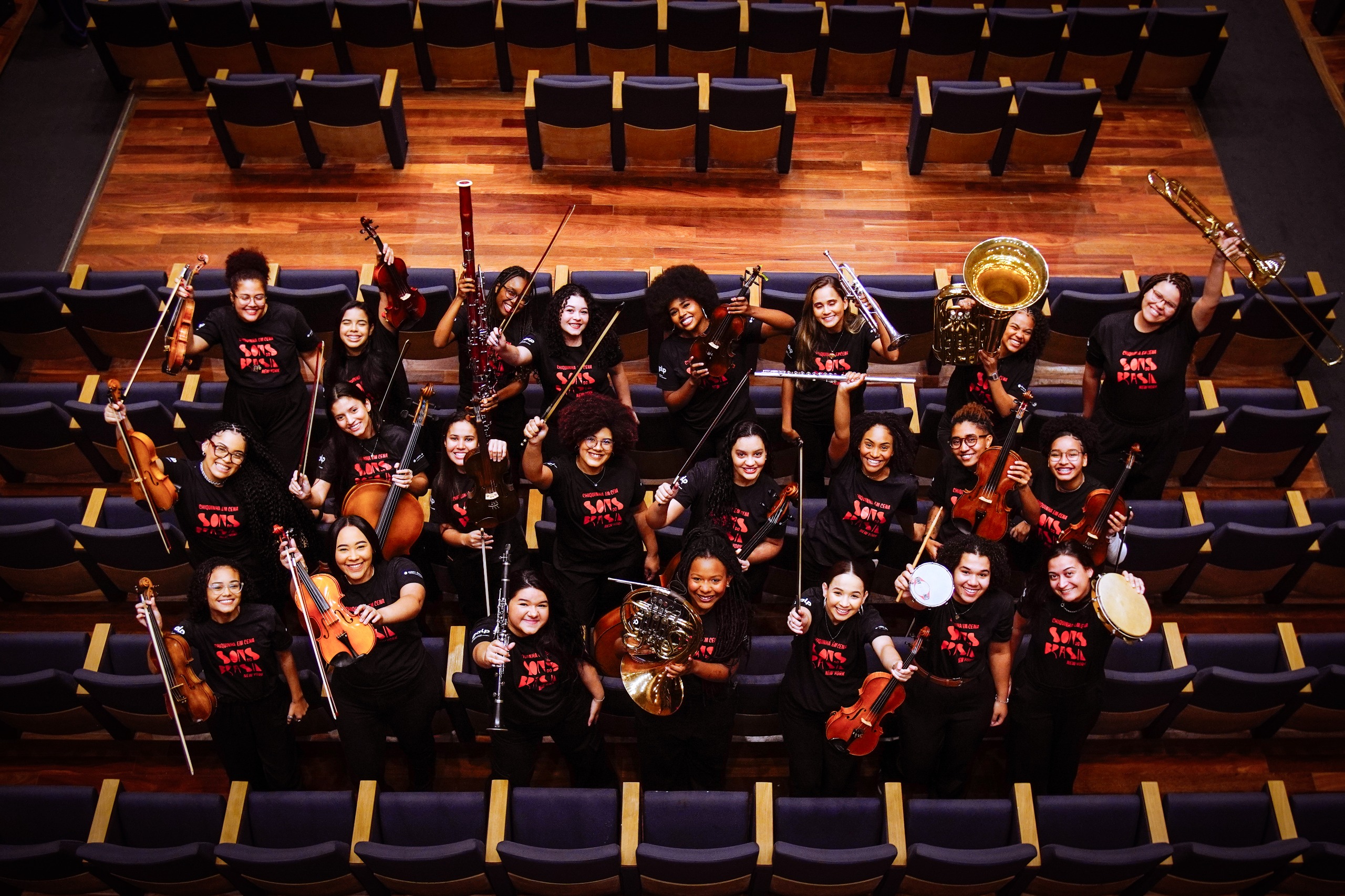
Diogo Pereira, Executive Director, Harmony Project Phoenix; Consultant, Instituto Brasileiro de Música e Educação (IBME)
The Brazilian Institute of Music and Education (IBME – Instituto Brasileiro de Música e Educação) was launched in 2011 with just 15 students. Today, it serves more than 4,000 young people and continues to grow. Among its many talented ensembles, one stands out: the Orquestra Sinfônica Juvenil Chiquinha Gonzaga, an all-female youth orchestra that celebrates the intersection of Brazilian classical and popular music.
EDITORIAL
Stronger Together: An Enduring Leitmotif
Christine Rhomberg, Director of Music for Social Change at the Hilti Foundation, 2013-2025
More than 12 years ago, during my first visit to the then-fledgling Sinfonía por el Perú program, I met a boy—let’s call him Juan—who stood out from the crowd of children. Not only because his double bass was more than twice his size. It was also his charisma, the joyful enthusiasm with which he played his giant instrument, and, even then, his social skills and his attentive devotion to his fellow musicians at his núcleo in the La Victoria district of Lima, Peru.
In the Democratic Republic of Congo, Music Moves Us Forward

Rene Byamungu, Workshop Leader in Musicians Without Borders’ partner program Kivu Youth Music, as told to The Ensemble
In the North Kivu Province of the Democratic Republic of Congo (DRC), the capital city of Goma sits between several mining towns and valuable minerals. Part of an active volcanic region rich in resources, the city serves as an essential transport hub for the nation—and, more importantly, as home to nearly 2 million people, many of whom have been displaced.
This past year, those 2 million have lived through extraordinarily difficult circumstances as the rebel group known as M23—the March 23 Movement—took control of the city. But perhaps none are more affected than the children. Over 2,000 schools in the region have been closed, with many thousands of students displaced and forced to witness the horrors of war, including the deaths of loved ones. As the fighting continues, these young people have been increasingly isolated and ignored, left without opportunities to connect with one another, explore their feelings, and celebrate joy.
And yet, as Workshop Leader Rene Byamungu writes, joy has persisted in North Kivu through music:


