Educación musical


EDITORIAL
A Question We Could Not Answer
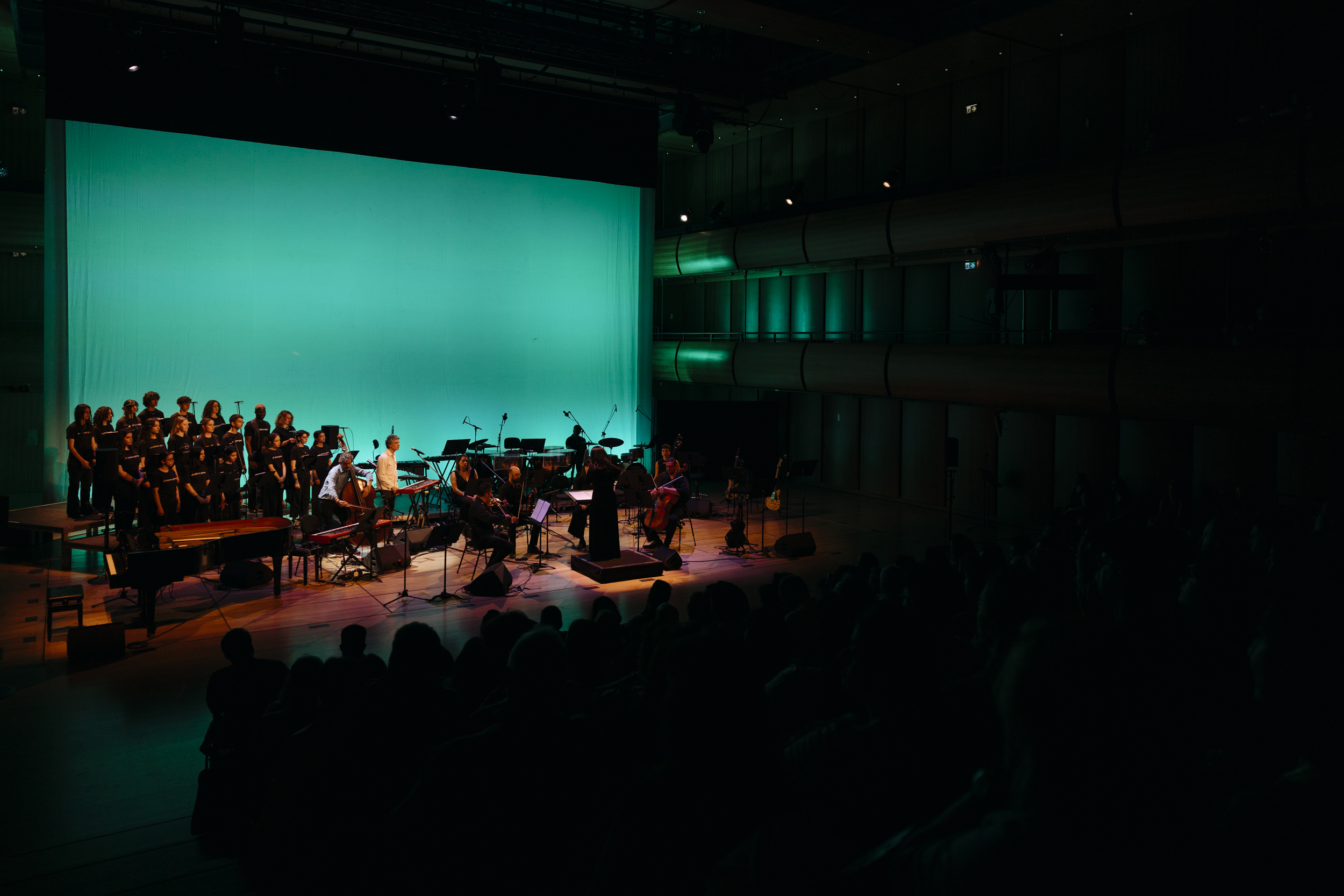
Faly Ranaivoson, Founder, Choir Orchestra Loharano (COL)
One of our longest-standing members asked a question at a meeting this year that I still cannot answer well. He had rehearsed four or five pieces for our concert last December. On the afternoon itself, he participated in playing only one of them. He wanted to know how that had come about. He put his question to everyone in the room.
Participate in the Next SIMM Research Seminar (Applications Due Soon)
SIMM (Social Impact of Making Music) is calling for applications to participate in the 14th SIMM research seminar, happening February 24–26, 2027 at Vienna’s mdw-University of Music.
GUEST PERSPECTIVE
Why Willing Volunteers Still Don’t Show Up: How youth music programs can turn goodwill into support
Kathleen Staten, Founder, Your MBA Friend Consulting
Last month, my daughter’s choir director needed parents to take tickets to the year-end concert. I had been a choir singer and director myself, so I know the invisible work it takes to put students on a stage. When the request came, I wanted to be the kind of parent who showed up.
Then, my week got overwhelming. By the time the concert arrived, I was no longer deciding between helping and not helping. I was deciding which responsibility would boil over first if I took my attention off it.
Music Education as an Economic Force
When we think about the income generated by the music industry, we don’t usually think of music education as a major contributor.
Every Lullaby Begins with a New Encounter
Fenia Biniari, Communications Manager, El Sistema Greece and Project Manager, ESG Lullaby Project, and Michalis Kalkanis and Christos Kalkanis, Seeds (composer duo)
The first chapter of a Lullaby Project song is usually written in a room where strangers have just met. Professional composers sit beside a mother who has never written music before. A child wanders around the room, curious but unsure. Participants may speak through an interpreter. Others may communicate more through gestures than words. At first, there are introductions, hesitant smiles, and long pauses. There is no score, no lyrics, no expectation of what the music should become.
Music Finds a Way in Gaza
Bombs destroyed the well-equipped buildings of the Palestine National Conservatory and war displacement scattered its faculty. But that didn’t stop them.
Concerts for Babies Transform Stages Into Communities
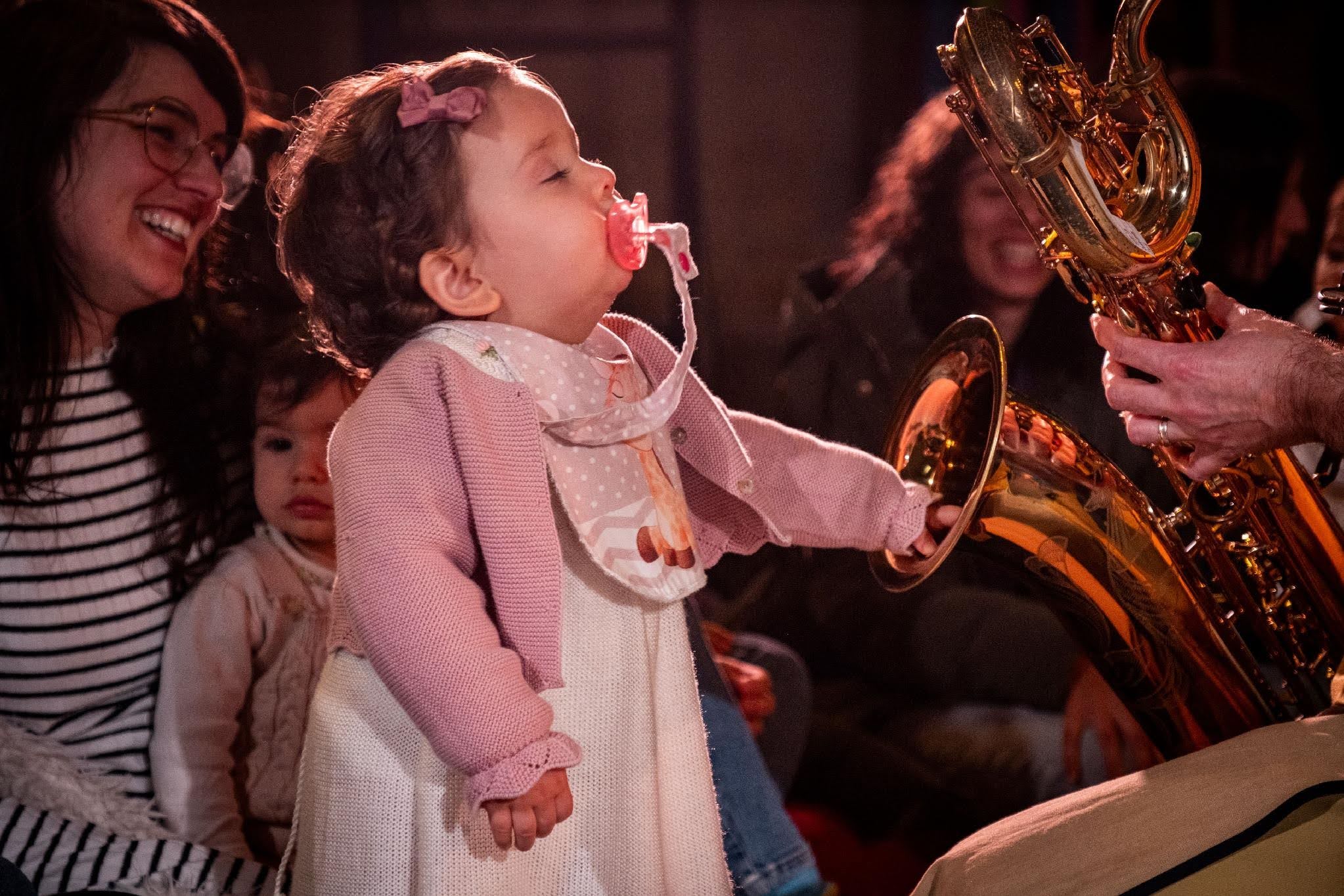
Paulo Lameiro, Founder and Artistic Director, Concerts for Babies
In my small Portuguese village of Pousos, between the giant waves of Nazaré and the Shrine of Fátima, we had a community band. I joined at age 8, playing flugelhorn. I’m forever grateful for this decision, which launched a life in music. But it wasn’t until years later, when I served as the director of several conservatories, that I began asking why it took so long to get started.
In Uganda, Music Unearths the Questions That Heal Us
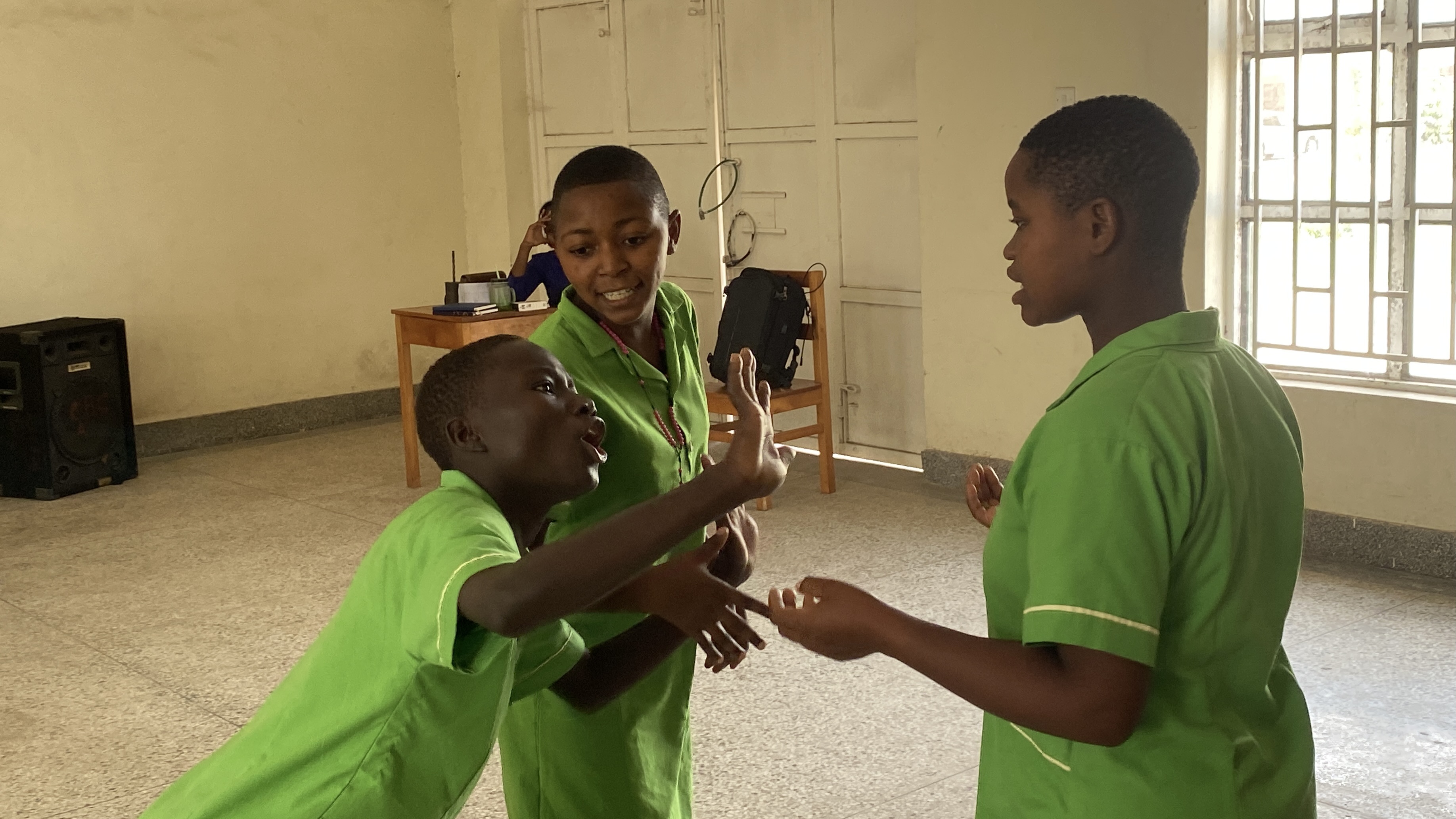
Bernard Molho Bwambale, Founder and Executive Director, Usanii Village Africa
HEAL grew out of Usanii Village Africa‘s previous work with young people, including more than 50 girls and boys whose experiences helped shape the program. Since 2021, Usanii Village Africa has worked to empower young people across Uganda through the arts. In designing HEAL, we wanted to explore how the arts could engage young people in uncomfortable conversations, helping them develop leadership and communication skills while exploring adolescent health and gender equality.
One-Day Choirs
One-day choirs are growing in popularity.
Free Resources from a Major Music School
Berklee College of Music is offering ten free digital handbooks covering music theory, songwriting, music business, and more.


