Participación comunitaria


EDITORIAL
Practicing Collaboration
Angelica Cortez, Executive Director, Suzuki Association of the Americas
In arts education programs, we tend to work with our heads down. Doing our work every day is enough: it takes more time than we have to create our lesson plans, to build healthy organizational infrastructure that is adaptive and responsive, or even to collaborate with the colleagues within our own organizations. As artists and arts leaders, we forget to look up and out. But as various crises combine forces to pull us away from each other, our need for collective work is not something we can afford to have on a backburner. It needs to be a central focus. We need to build strong local networks and to diversify our collaborators.
We need to connect—with fellow arts organizations, and with organizations we might never consider in our daily work.
In Rhode Island, a Music Center Becomes a Community Haven
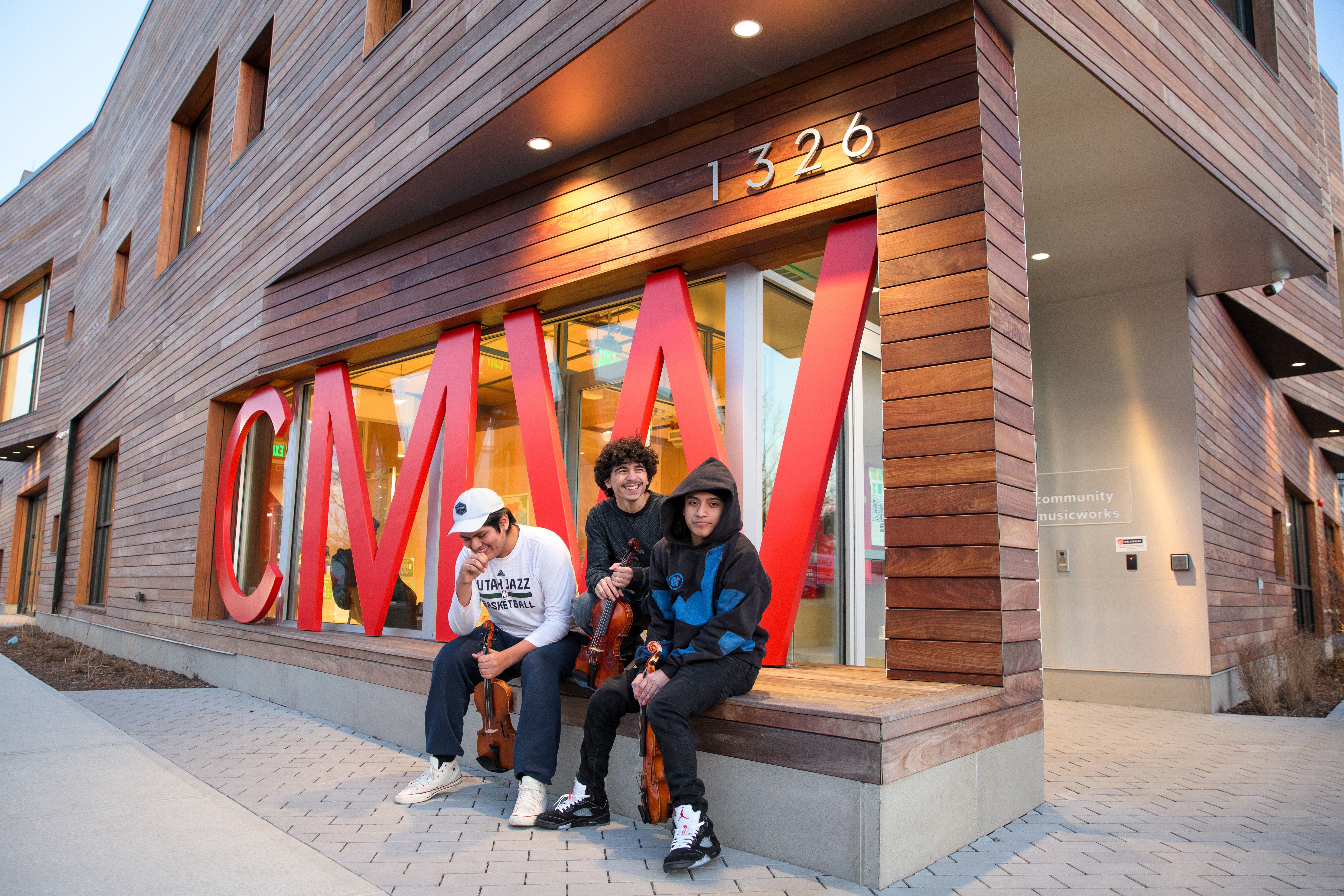
Sebastian Ruth, Founder and Artistic Director, Community MusicWorks
Last weekend, in the U.S. city of Providence, Rhode Island, the renowned pianist Emanuel Ax visited Community MusicWorks for a pair of concerts in collaboration with our students and our professional ensemble in residence. Manny’s visit helped to celebrate our CMW Center, which was only a dream when he first came in 2017.
During Manny’s first visit, one concert took place in a neighborhood taqueria, and another on the basketball court of a nearby community center. In many ways, the concerts last weekend marked the new chapter we find ourselves in, welcoming children, families, musicians, and special guest artists into our purpose-built center.
Fifteen Years After Disaster, a Children’s Music Festival Continues to Rebuild Community in Soma, Japan
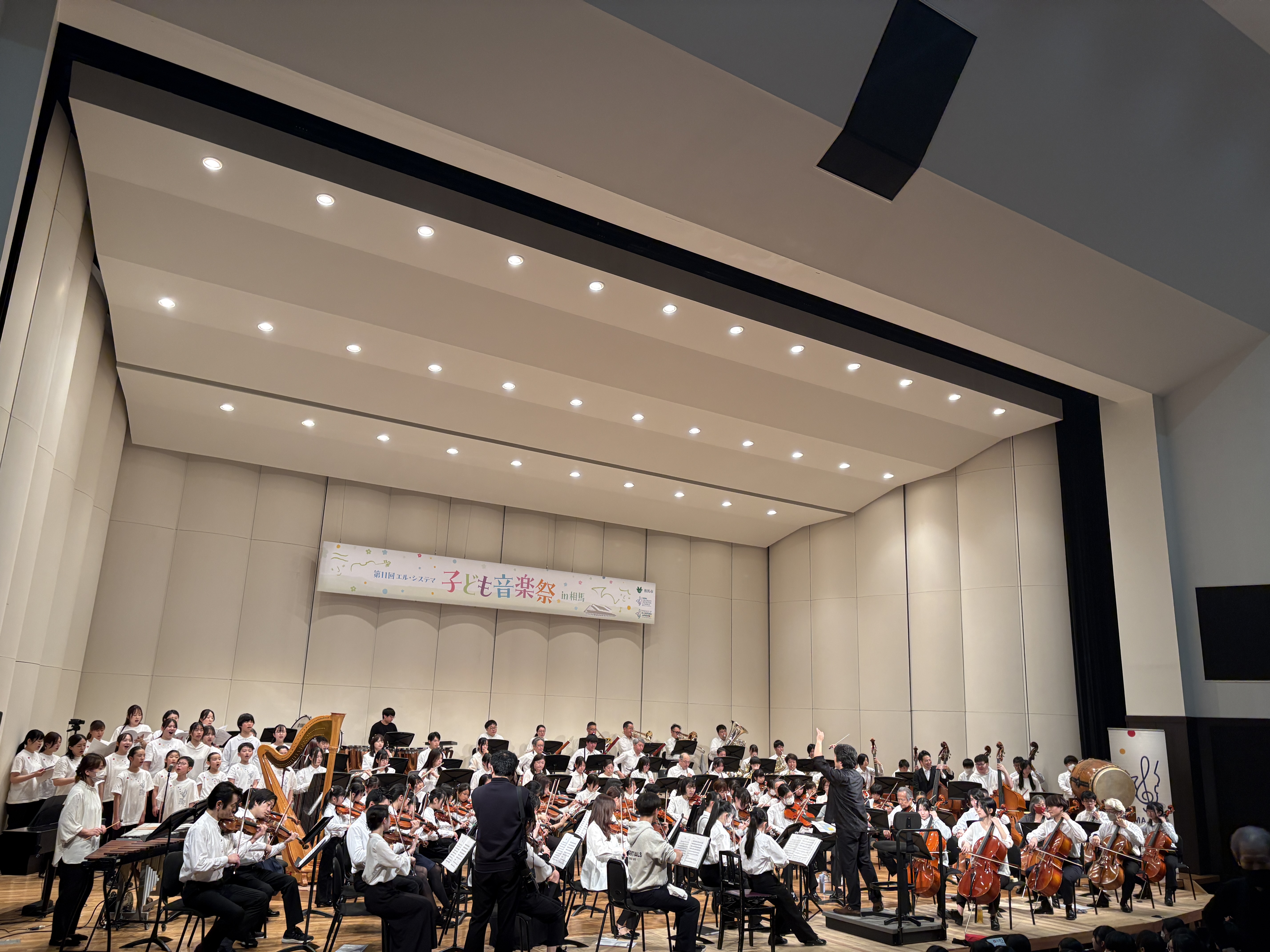
Yutaka Kikugawa, Executive Director and Founder, El Sistema Japan
For me, the festival brought back memories of a cold winter day in December 2011, when I met with Soma City Council officials to explore the possibility of launching Japan’s first El Sistema–inspired program. At that time, children in Soma were still deeply affected by the 2011 Great East Japan Earthquake, tsunami, and subsequent nuclear power plant accident. Many had lost family members and friends; many faced widespread stigma and discrimination resulting from radiation contamination across Fukushima Prefecture, including Soma City. I was serving as Chief Coordinator of UNICEF’s post-disaster operations.
Suggested Reading: Music as a Social Prescription
“Social Music as a Prescription for Maintaining Wellness” is an article by renowned U.S. jazz musician Jon Batiste and Joanne Loewy, Director of the Department of Music Therapy and Professor at New York City’s Icahn School of Medicine.
Cities Celebrate Bach
On March 21, Luxembourg City celebrated Bach’s 341st birthday with the 16th year of Bach in the Subways—52 free performances of his music in 21 venues, including arts venues, shops, restaurants, and bookstores.
An International Exchange Program Shifts Power Through Music
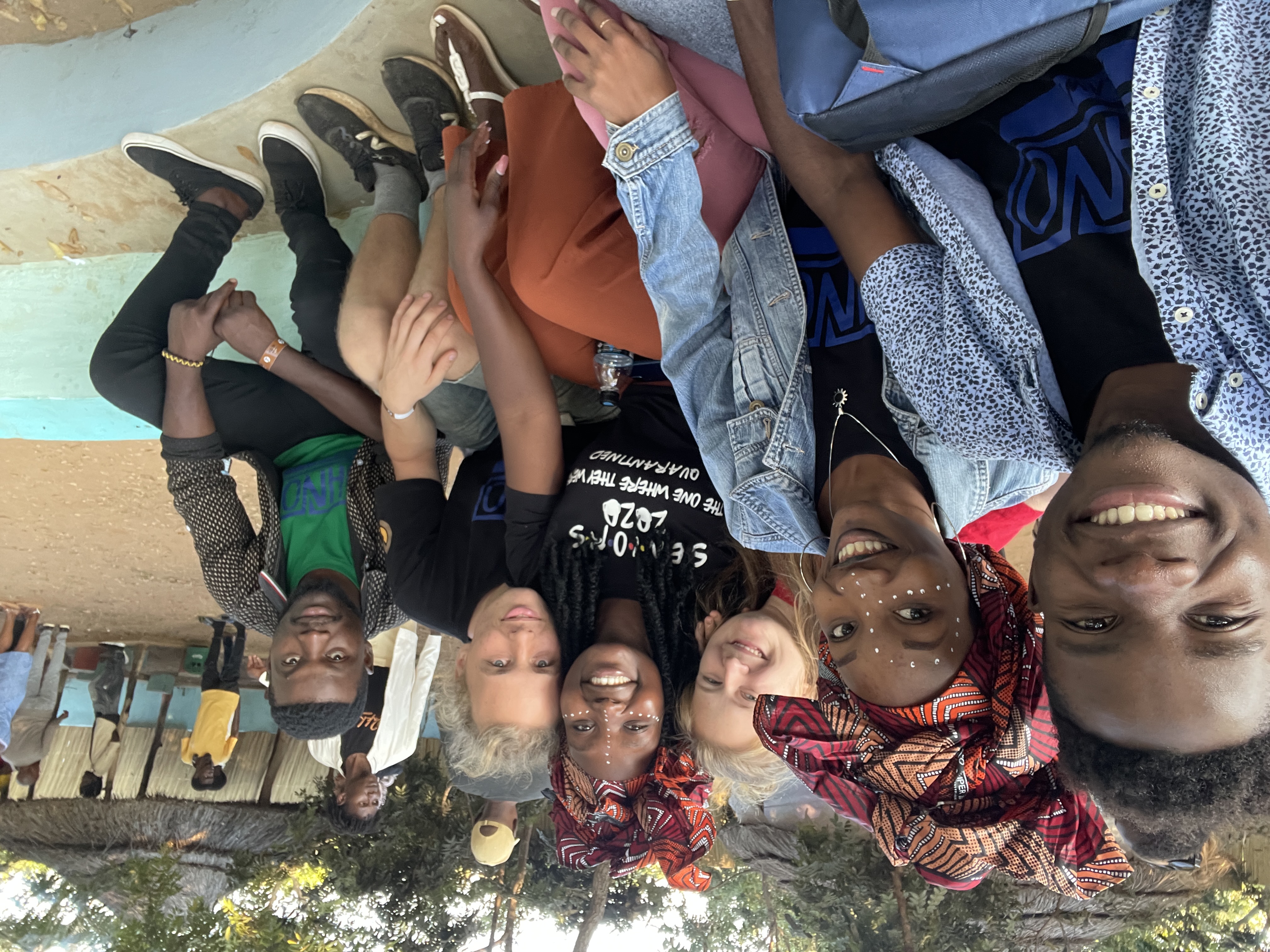
Siri Syverud Thorsen, Project Manager for Musicians and Organizers Volunteer Exchange (MOVE) at Jeunesses Musicales Norway
While our daily lives are rattled by increasing global instability, polarization, and apathy, culture workers working toward youth empowerment and social change share many of the same questions. How do we empower young people without transferring unreasonable responsibility? How do we equip and motivate while acknowledging legitimate, sometimes harsh realities? How do we facilitate interconnectedness, in times of global dehumanization?
Applications Open for Kuonyesha Art Fund
Applications are open through February 28 for the Kuonyesha Art Fund, which welcomes proposals from artists and groups in Africa for creative projects that promote community collaboration and address social issues.
Arts Communities Drive Manchester Forward
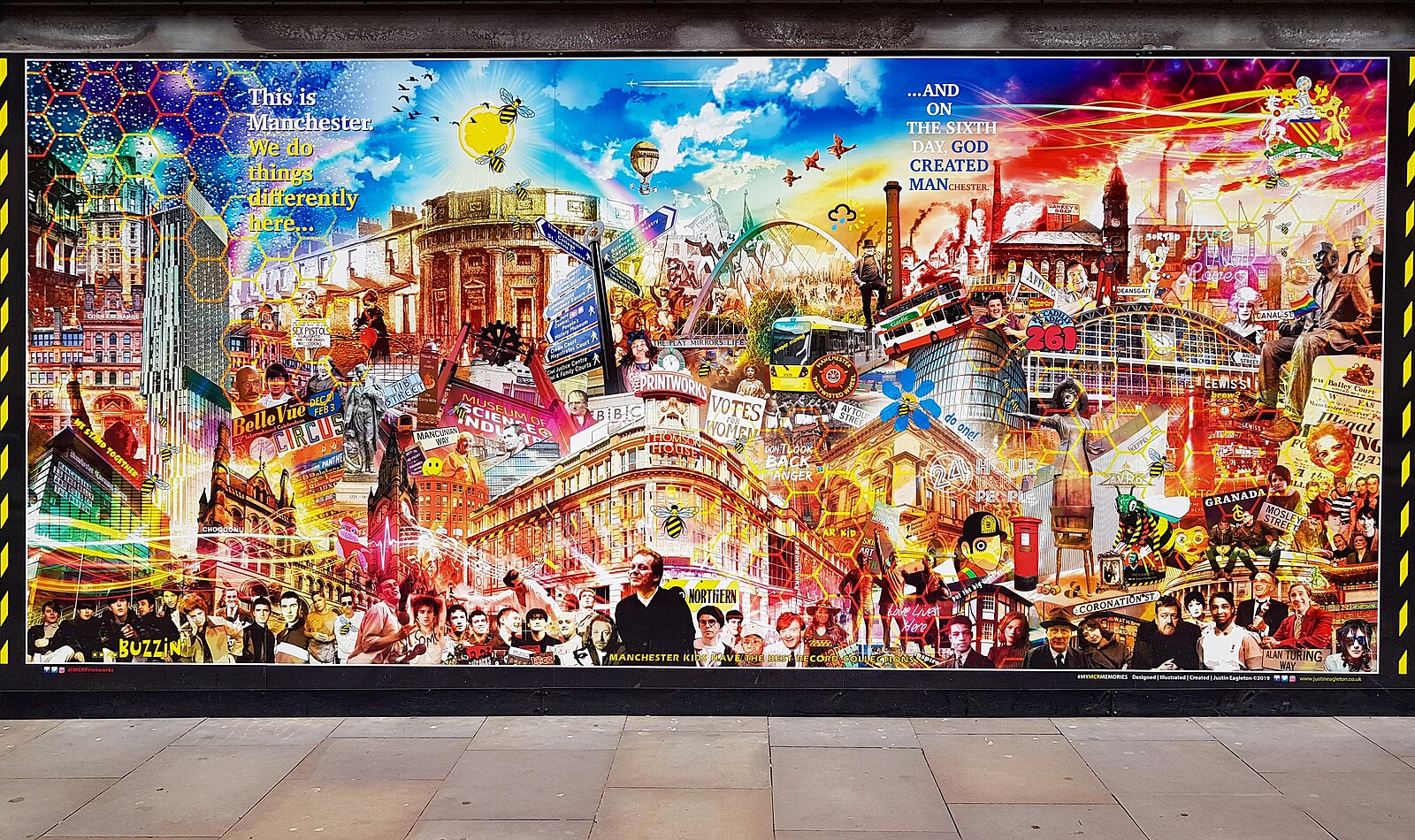
Sam Davies, Founder, The Untold Orchestra; Alumnus, Global Leaders Institute
“We do things differently.” That’s the motto of Manchester, England—and if you’re walking through the city, it doesn’t take long to see that it prides itself on its innovation and creativity. I’ve been fortunate to spend my 20s here, learning from the legacies of changemakers both past and present. So many of the city’s most impactful figures have been—and still are—artists working directly with communities.
Inspired by the people, creatives, and communities around me, I spent the second half of my 13 years in Manchester founding The Untold Orchestra, a “non-classical” collaborative orchestra that centers community engagement. But this piece isn’t about Untold. It’s about an Art City—that is, a place where arts interventions are prioritized and supported by the people who live there, and then rewarded with community, creativity, and positive social change.
EDITORIAL
Young People Are Speaking To Us. Are We Close Enough to Hear Them?
Dalouge Smith, Founder and Executive Director, The Creating Abundance Collaborative; Co-founder and CEO, The Lewis Prize, 2018–2024
I’d been missing the presence and perspective of young people in these gatherings dedicated to arts education, young people’s wellbeing, and community health through the arts. When young people were present, it was most often as performers, and occasionally as panelists alongside adults.
Throughout these events, I had been wondering, “How is it that we continue to position young people as objects of conversation, and not the subject?”
Students Across Continents Sing Their Way to Climate Action
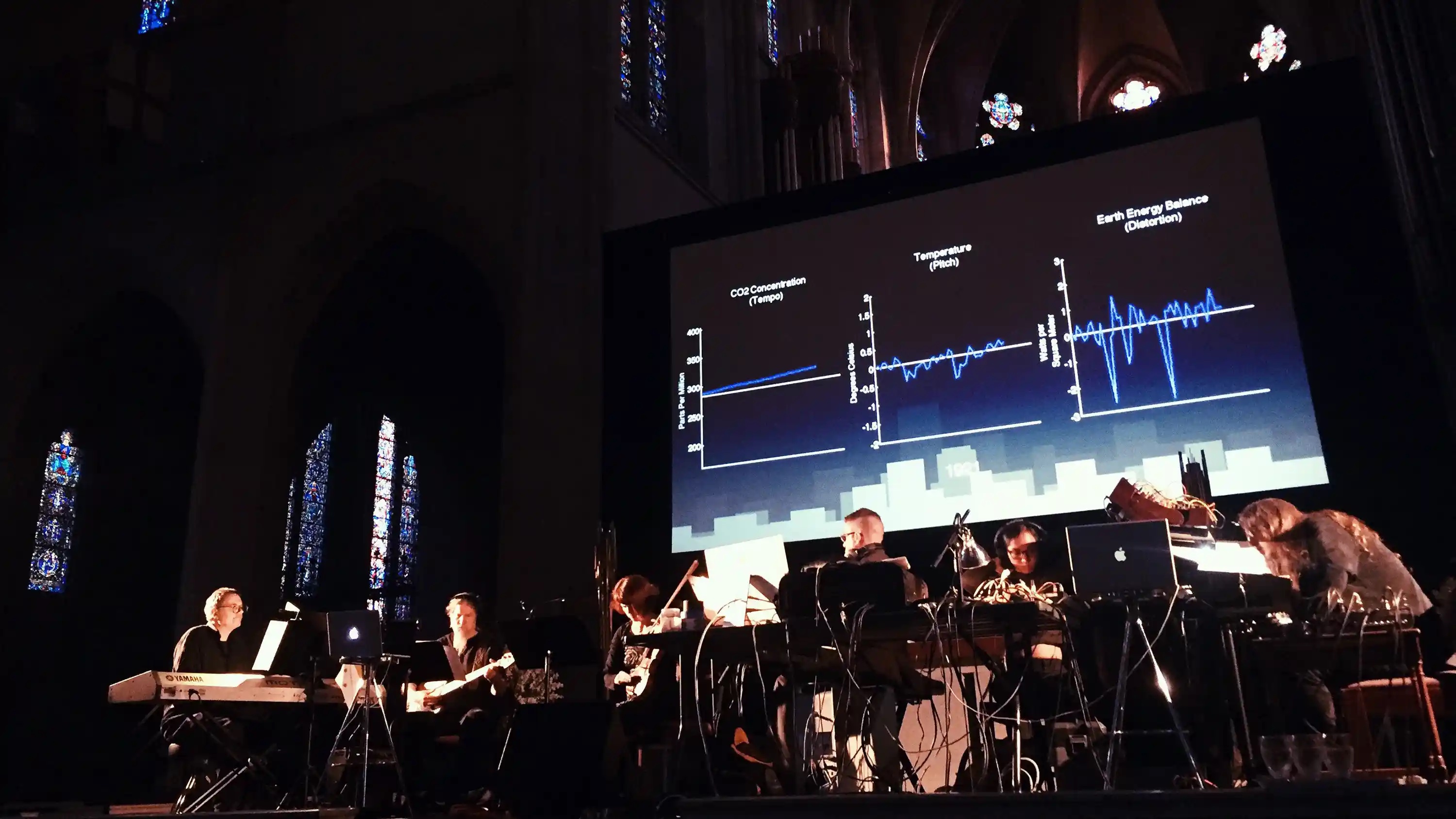
Natalie Osby, Student, Loyola Marymount University; Volunteer and Be Cool! Connections Coordinator, The ClimateMusic Project
Climate change is a complex, often overwhelming issue, causing many to turn away or disengage from conversations about it. That’s where music comes in. Just as we share this planet, we share the language of music. And when we speak it, we have the power to restore our planet’s health and build a thriving network of changemakers.


