Construcción Comunitaria


GUEST PERSPECTIVE
When Art and Music Create a Shared Listening Space
Giovanni Acquilino, 2025 Cohort Member, Global Leaders Institute
What does visual art have to do with listening?
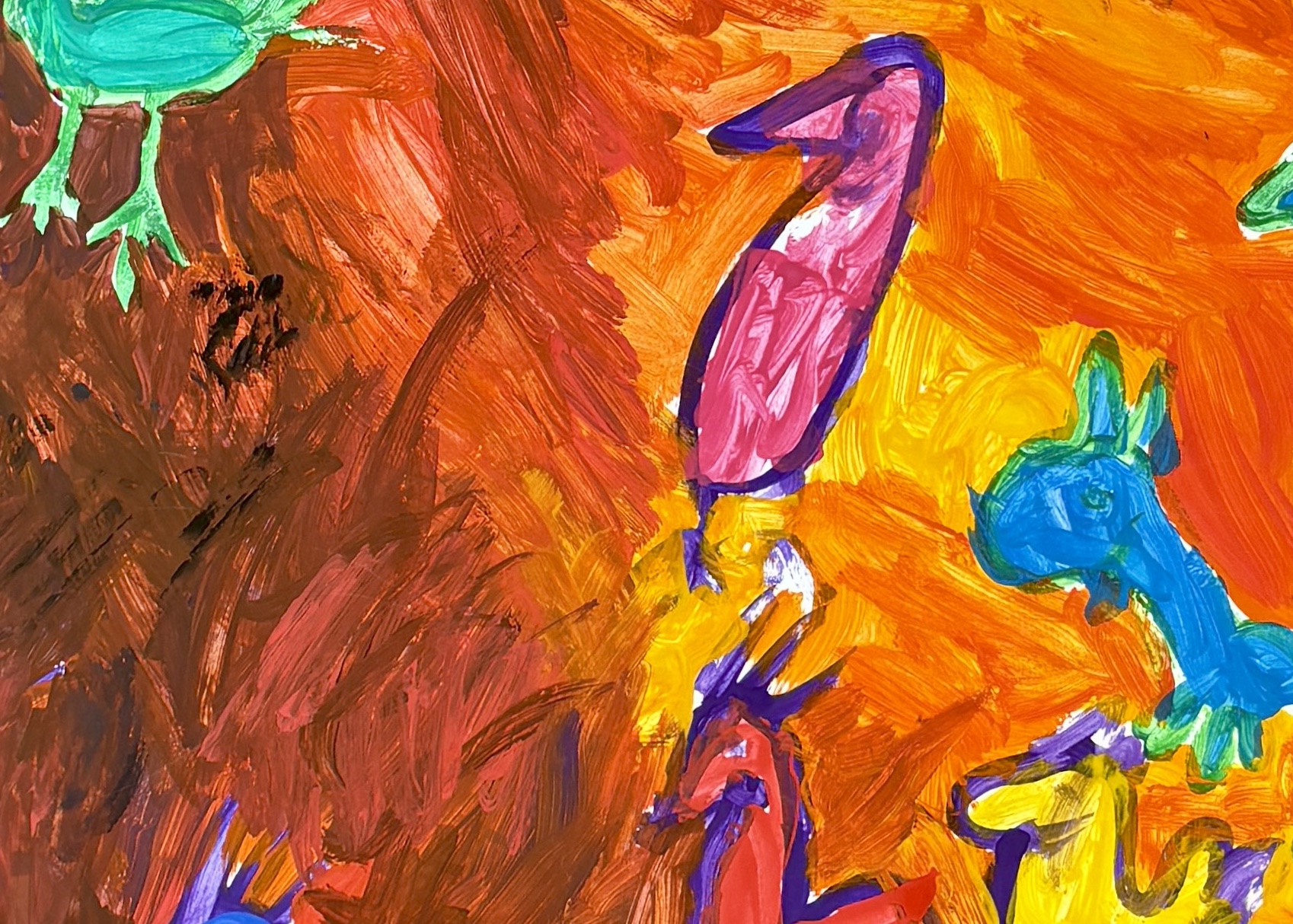
It’s an unusual question—but one that’s well worth exploring, as I discovered recently when I attended Sguardi Paralleli (Parallel Glances) – Art Therapy and Autism: Art as Language, an exhibition held in Alassio, Italy and curated by art therapist Carla Paura.
In South Africa, a Marimba Band Moves with the Music
Thandeka Dlamini, Band Manager, Organizer, and Coach, Goede Hoop Marimba Band
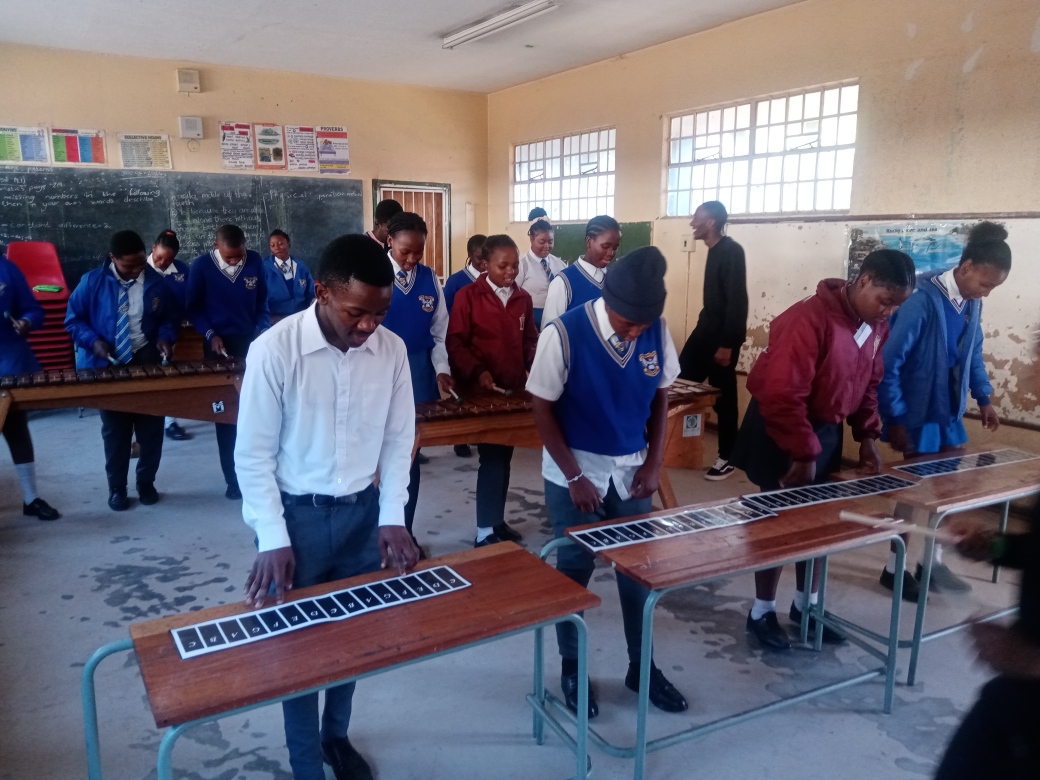
Since 2014, the Goede Hoop Marimba Band has operated in Boksburg, Gauteng, a small South African town in the smallest South African province. The band started in 2014 at the Goede Hoop Primary School, the hub where all practice takes place, as a way of keeping children out of the streets after school, committing them to something that could positively impact their future, and strengthening their community bonds.
From Program to Public Infrastructure: The Evolution of Dream Arts
Jeehye Suh, CEO, Inculture Consulting (Rep. of Korea); Adjunct Professor, Korea National University of Arts
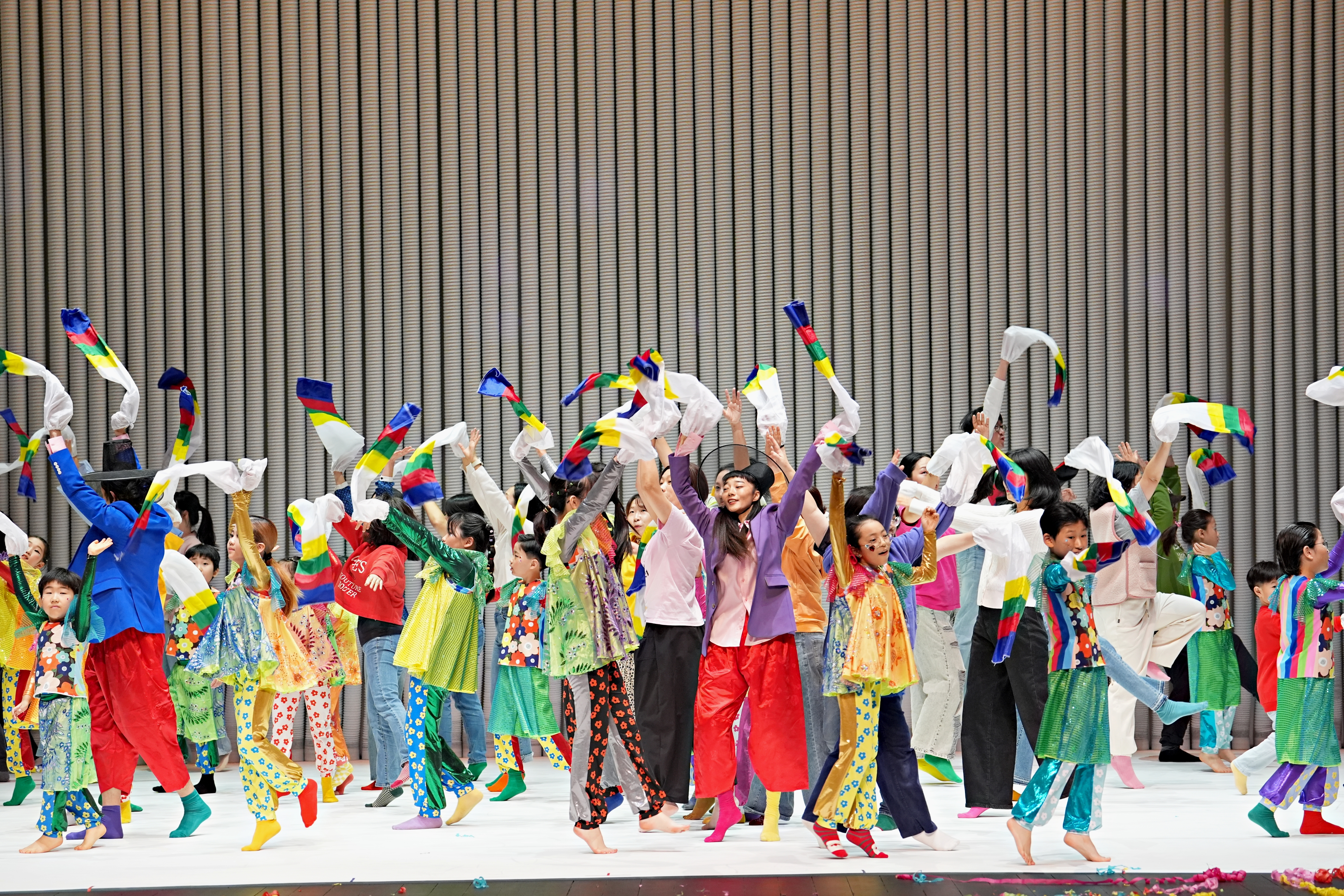
When we first designed the Dream Orchestra in 2010, we saw “isolation” as one of the most urgent conditions in children’s lives. At the time, the intensity of college entrance competition had already reached elementary school, and many children were being pushed into highly competitive, lonely environments.
Fifteen years later, children’s lives have not become easier. They remain caught in the competitive trap of the education system while social and economic inequality continues to deepen their vulnerability. Declining physical and mental wellbeing, weakened community ties, and the replacement of direct relationships with media-based activities have also left them increasingly disconnected.
Summer Rock in the Balkans
Each summer for the past 18 years, Music Connects has brought 60 young people from divided and marginalized communities across the Western Balkans together in Skopje.
EDITORIAL
Practicing Collaboration
Angelica Cortez, Executive Director, Suzuki Association of the Americas
In arts education programs, we tend to work with our heads down. Doing our work every day is enough: it takes more time than we have to create our lesson plans, to build healthy organizational infrastructure that is adaptive and responsive, or even to collaborate with the colleagues within our own organizations. As artists and arts leaders, we forget to look up and out. But as various crises combine forces to pull us away from each other, our need for collective work is not something we can afford to have on a backburner. It needs to be a central focus. We need to build strong local networks and to diversify our collaborators.
We need to connect—with fellow arts organizations, and with organizations we might never consider in our daily work.
EDITORIAL
Playing in the Same Key: Aligning Purpose and Practice for Students
Fiona Cunningham, Director, Academy for Impact through Music
“What’s the biggest thing keeping you up at night, as a leader or as a teaching artist?”
When Nikoletta Polydorou, founder of Sistema Cyprus, recently posed this question to music-for-social-action leaders and teaching artists across different countries and contexts, one concern surfaced repeatedly: when a program’s purpose isn’t clear, and collectively owned, the learning is less focused and effective.
BBC Launches U.K.-Wide Program “Get Singing”
Earlier this year, the BBC launched Get Singing, the largest U.K.-wide music education program in a decade.
U.S. Music Education Programs Invited to Join Music Inclusion Hub
The Music Inclusion Hub (MIH) invites U.S.-based music education programs to join their online resource center, hosting culturally responsive learning materials for students of all ages.
Creating a Community of Belonging at OrKidstra
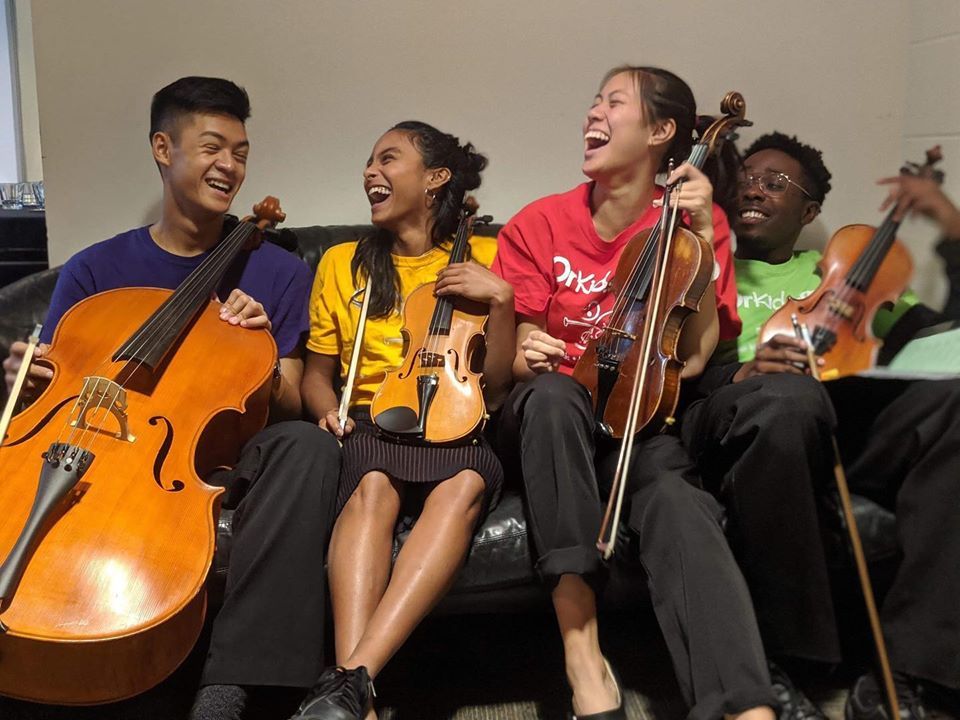
Rebecca Russell, Former Director of Development & Communications, Carrie Lauzon, Executive Managing Director, and Tina Fedeski, Co-founder and Artistic Managing Director, OrKidstra
When you walk down the halls of OrKidstra, you’ll hear the universal language of music around every corner. Laughter as the kids rush to the snack table during their break. And you’ll hear something distinctly Canadian: the beautiful sounds of a community composed of 62 different cultural and linguistic backgrounds. A community of belonging.
Through Songwriting, Colombian Communities Resolve Conflict and Make Their Voices Heard
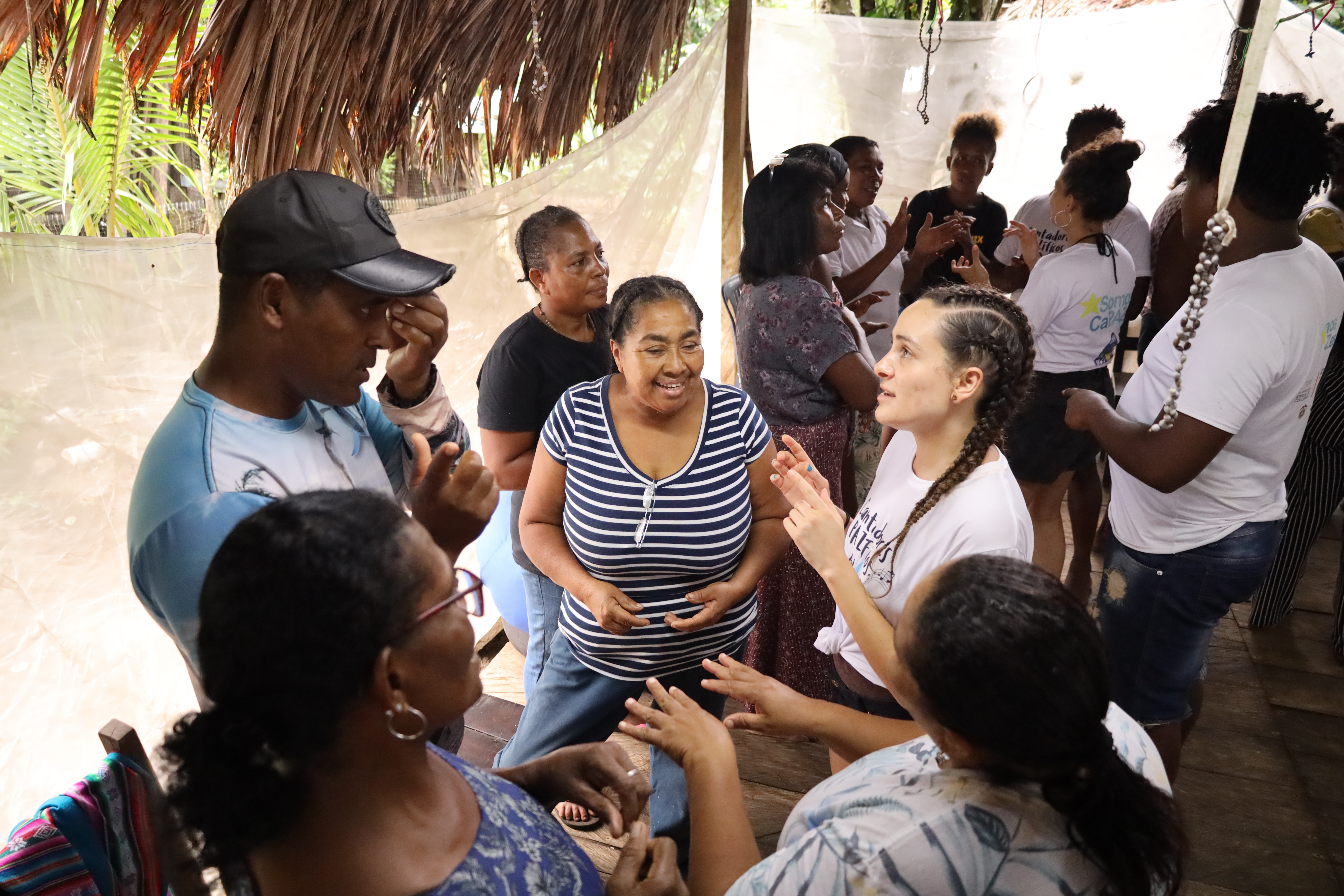
Ana Uribe Law, musicologist and violinist; 2023 Alumna, Global Leaders Institute
Ask any Bogotano about their perception of Colombia’s Chocó Region, and you’ll likely hear that it is a dangerous and remote place, visited primarily for whale-watching. These inter-regional biases are not uncommon—decades of armed conflict have disrupted networks of community and social cohesion, fragmenting them and threatening the practices that sustain communal life. And though a shared sense of Colombian identity exists, each of the country’s regions maintains a distinct cultural character that is often rooted in music.
Before traveling to Chocó, my perception of Colombia’s outer territories was similarly close-minded.


