Música clásica



In Chicago, One Piece of Music Brings a City Together
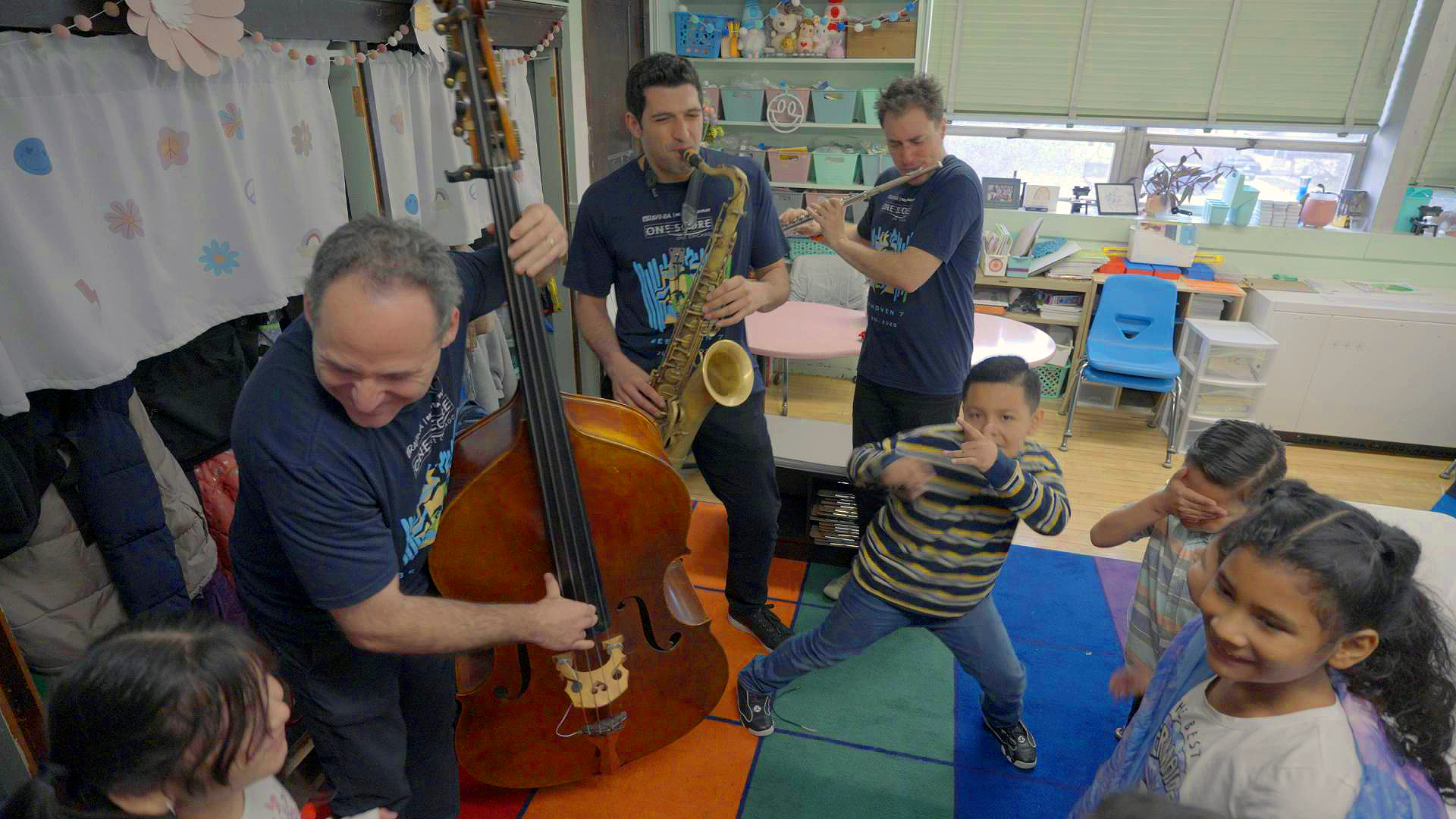
Christine Taylor Conda, Executive Director of Education & Community Engagement, Ravinia Festival
During the two magical years I spent in Jamaica as a child, my aunt would visit our house every Thursday evening after work. I remember our family spending dinnertime on orange pleather cushions, listening to broadcaster Leonie Forbes recite poetry on the radio as classical music played in the background. That dinner table is where I first fell in love with Beethoven’s 7th Symphony, and my family still talks about those Thursday nights we spent together.
Now, as Ravinia searches for inventive ways to reinvigorate interest in great musical works, those Thursday evenings come to mind.
Now, as Ravinia searches for inventive ways to reinvigorate interest in great musical works, those Thursday evenings come to mind.
GUEST PERSPECTIVE
The Courage to Create: Helping Students Sing through Fear
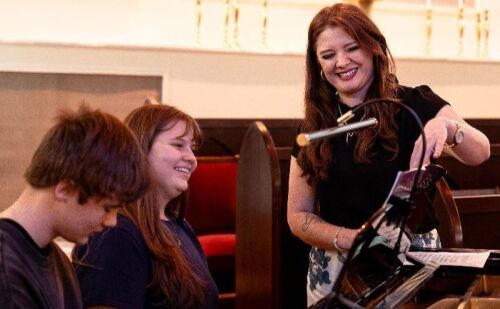
Meagan Mayne, Founder, Meagan Mayne Voice Studio
Singing (really, any artistic act) is an act of vulnerability. Your voice is you—your breath, your body, your emotions, your story. When you sing, you offer all of that up; even after a lifetime of performing, I still feel that fear when I step on stage.
If performing can be scary for us educators, how much scarier must it be for teen students still discovering their identity—for whom “fitting in” can feel like the most important thing?
Suggested Reading: To Be Young, Gifted and Black
To Be Young, Gifted and Black, a new book by Kadiatu Kanneh-Mason, offers an intimate look at how her children navigated their professional path into the classical music world while exploring their cultural, racial, and national identities.
EDITORIAL
Reflexiones sobre el 50 aniversario de El Sistema Venezuela
Rodrigo Guerrero, Especialista en Diversidad, Equidad e Inclusión del Babson College, Massachusetts, EE.UU.; ex Director Asociado de Relaciones Internacionales y Desarrollo Institucional de El Sistema Venezuela.
La Venezuela de 1975 contrasta con su realidad actual. Hace cincuenta años, el país estaba totalmente reconstruido tras una opresiva dictadura militar y en vías de crecimiento económico. Ese era el contexto en el que un joven y brillante compositor y director de orquesta, que también era un político dotado, utilizó sus talentos combinados para convencer al gobierno de que apoyara algo que parecía fuera de lugar para el oficialismo, pero, en su visión, como en casa.
Lecturas recomendadas (gratuitas): El futuro de la música clásica
Hay algo para todos los gustos en Futuros de la música clásica: Prácticas de innovaciónun libro electrónico gratuito para estudiosos, profesionales, administradores y educadores interesados en las perspectivas internacionales de la música clásica.
Bachtrack comparte 2022 estadísticas sobre interpretación de música clásica
Bachtrack ha publicado su informe estadístico anual sobre las actuaciones de música clásica en todo el mundo. Tas cifras son alentadoras: wunque los diez primeros compositores siguen siendo hombres blancos muertos, se observa un notable aumento de las interpretaciones de compositores vivos y mujeres.


