Boston Music Project


U.S. Programs Are Approaching ‘The Middle’ of Their Movement. Now What?
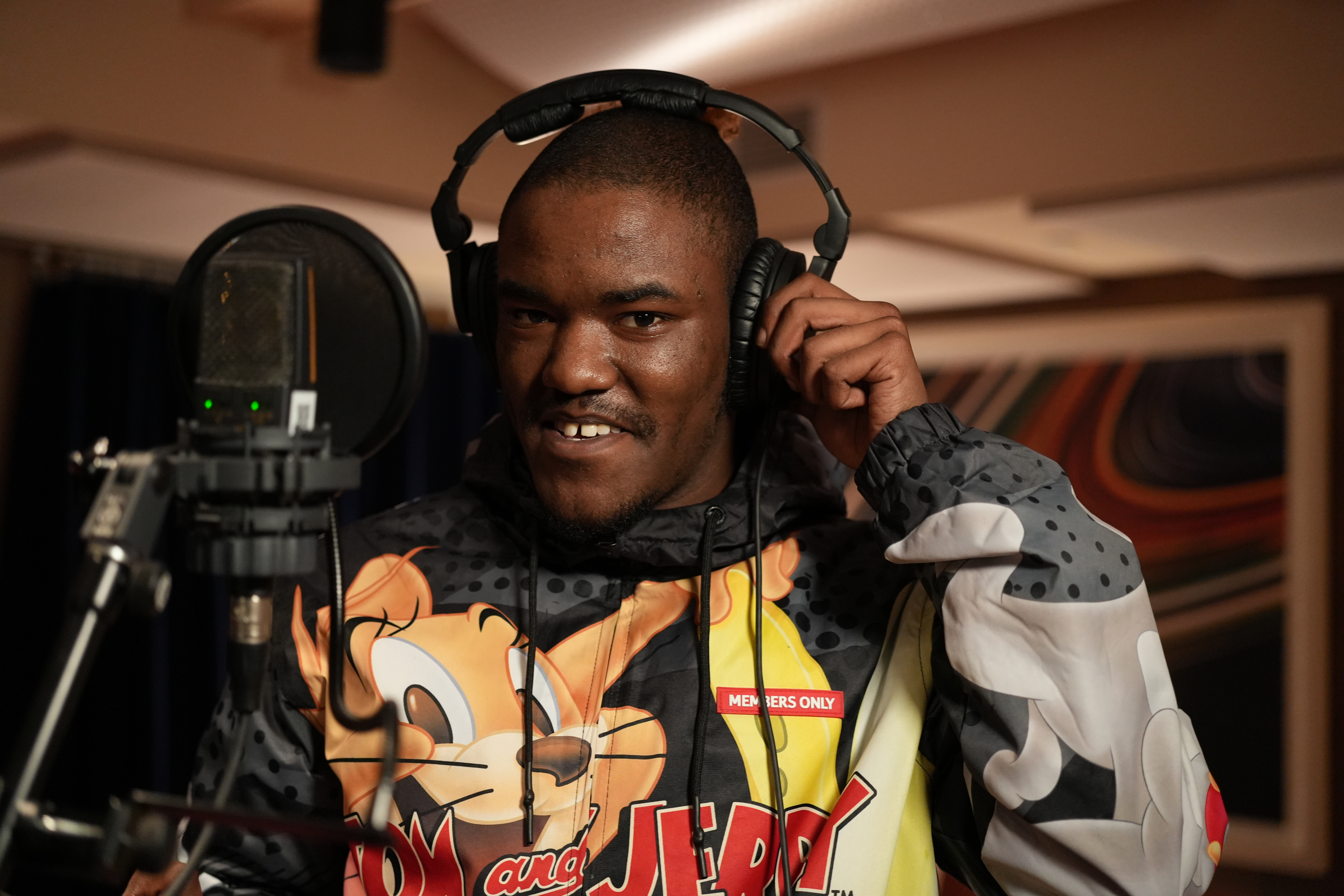
Christopher Schroeder, Executive Director, Boston Music Project
There are seasons in any movement. The beginning, that electric moment when a new idea catches fire, is unforgettable. So is the end, when a movement gains a permanent foothold in society. But the middle—the developing stage—is different. The middle is where the path is no longer clear, where the just cause and the strategies for seeing it through are both tested. It’s my impression that, in many places of the world, El Sistema-inspired programs find themselves in that adolescent stage.
These growing years are critical to our future as a movement—just as the adolescent years are critical to our students’ growth. Here are a few discoveries being made by U.S. programs I’m familiar with, shared with the hope that they resonate with programs around the world.
Boston Music Project Wins $50K Grant for Digital Upskilling Program
The Boston Music Project is tuned into the skills that can help young people successfully enter the 21st century workforce.
Teaching Mutual Understanding and Peace: The United World Colleges
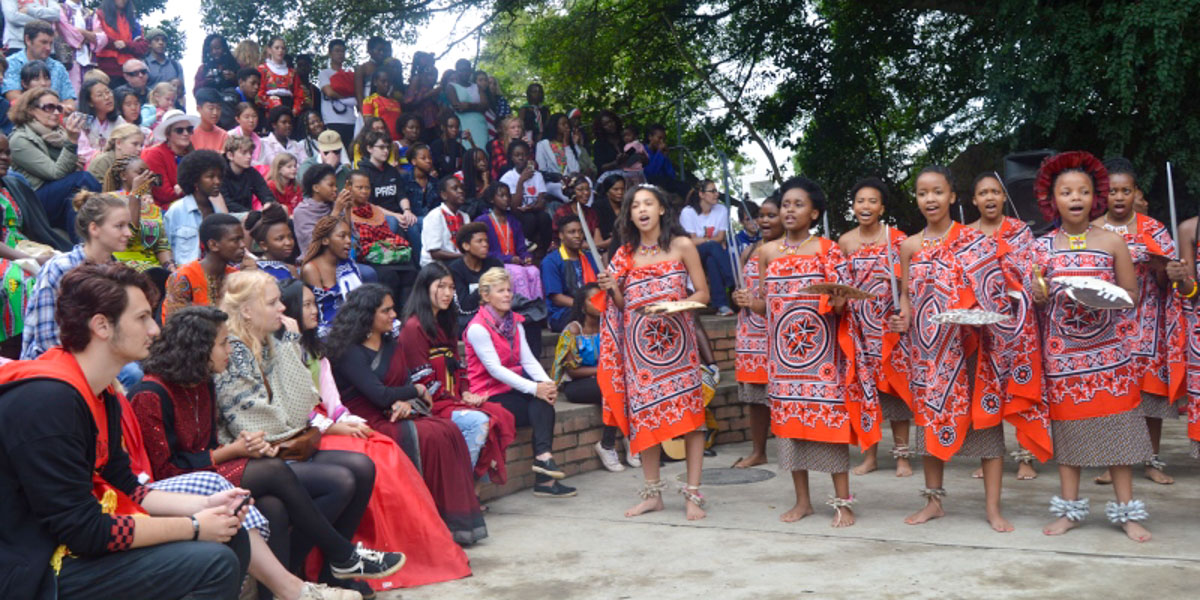
Graciela Briceno, Education Officer, U.S. Agency for International Development; Founder, Boston Music Project
What if there were an option for students—even those who could not afford additional years of school—to continue their “social development through music” journey? As it happens, there is one: United World Colleges (UWC), a consortium of higher education institutions that prioritizes—as does our field—peace, collaboration, and mutual understanding.
The Importance of Contextualized and Conflict-Sensitive Sistema Programs
Graciela Briceno, Foreign Service Education Officer, U.S. Agency for International Development; Founder, Boston Music Project
As I listened to the episode, I had a sudden crisis of conscience: had I done the same thing in starting a Sistema-inspired classical music program within a Boston public school? Given the principal’s enthusiasm, and the fact that at the time there was no music or visual arts programming, I eagerly launched the program without questioning what was best for the community. Was the money we were raising for the orchestra program being put to its best use at this school?
Digital Music Meets Dance through Residency Program
This past April, we told you about Boston Public Schools’ partnership with Boston Music Project, during which students worked alongside teaching artists to compose original music that shared their perspectives from the pandemic.
Amplifying Youth Voices during the Pandemic
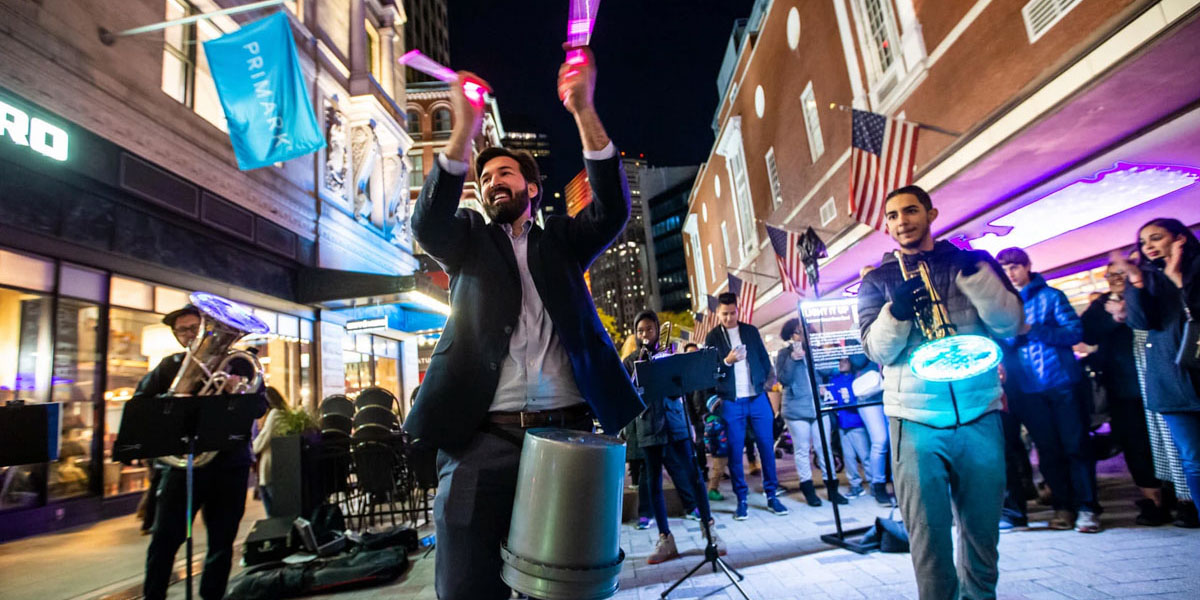
Christopher Schroeder, Executive Director, Boston Music Project
For over a year now, our team at Boston Music Project (BMP) has worked to develop new and creative ways of engaging with youth virtually, using music and art to offer a first step in social-emotional learning (SEL) and healing during the pandemic. Because we are a Social-Emotional and Wellness Portfolio Partner with Boston Public Schools, the district-wide pivot to remote learning provided an opportunity for us to expand our existing music to more students throughout the city. Through a new partnership, a group of 25 eighth-graders from Boston Public Schools worked alongside two BMP teaching artists (Minjin Chun and music technology specialist Josh Wareham), a collegiate intern (Brandon Volel), and me to compose original music aimed at capturing the creative spirit, diversity, and youth perspectives during remote learning. This three-month residency resulted in two multi-movement digital music compositions, Caged Bird and Reflections, released on BMP’s SoundCloud channel on February 4, 2021.
Ensuring Equity and Anti-Racism in SEL
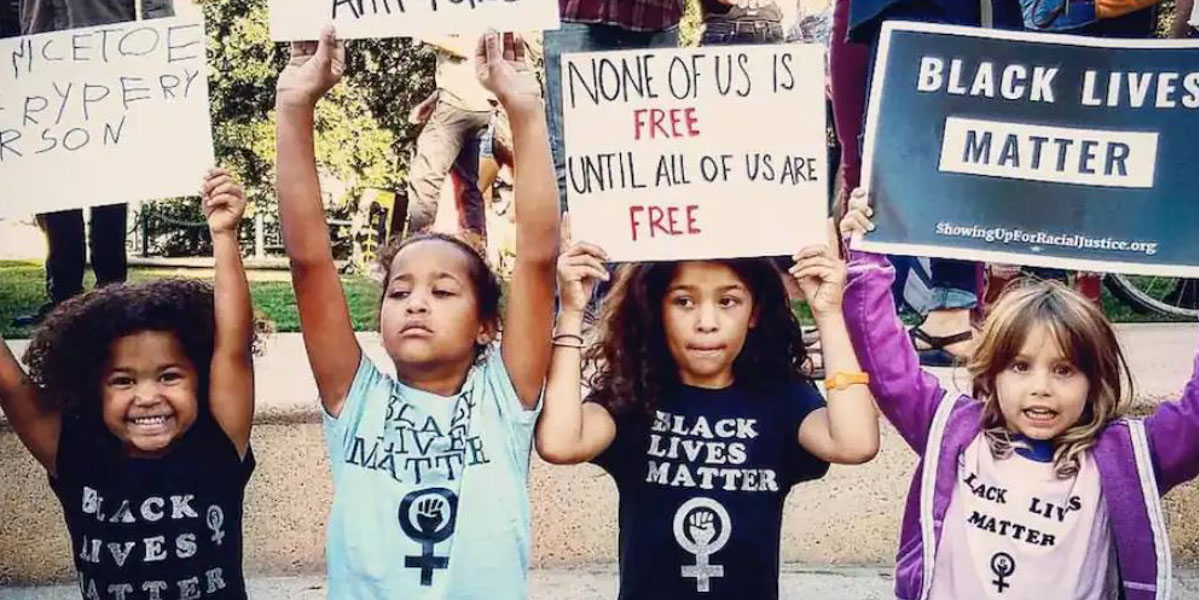
Graciela Briceno, Founder, Boston Music Project; and Senior Associate, Center for Education, U.S. Agency for International Development
Social-emotional Learning (SEL) has served as a foundational tenet of the El Sistema movement for over two decades, even before that acronym became widely known. Sometimes referred to as character strengths, soft skills, or life skills, SEL encapsulates a desire to instill children and youth with the non-academic emotional and social skills necessary for school and life success. El Sistema programs can enhance social-emotional learning through a number of means that have been described here, here, here, and here (and in the feature article of this issue here).
Showing Up in Crisis Times
Christopher Schroeder, Executive Director, Boston Music Project (Formerly Josiah Quincy Orchestra Program), Boston, MA
The COVID-19 pandemic has challenged our communities in unimaginable ways. It has exposed great inequities in our society, tested the financial stability of our organizations, and forced programs to rapidly explore new methods of connectivity, storytelling, and fundraising. On the other hand, it has also offered opportunities for programs to demonstrate their resilience. As many educators say, it’s better to show than tell. Right now, our students are watching how we show up for them in times of crisis.


