Planificación estratégica



In Rhode Island, a Music Center Becomes a Community Haven
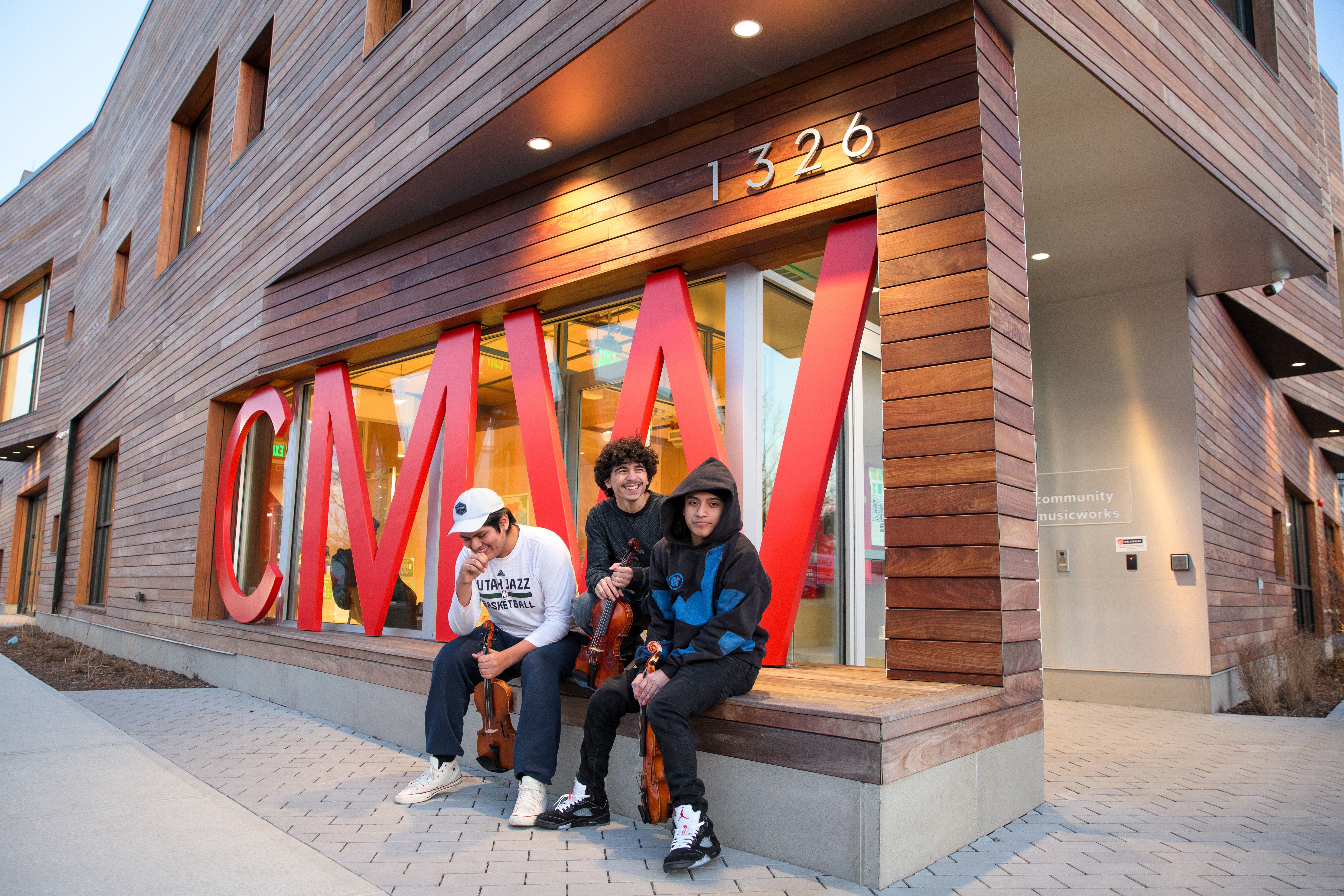
Sebastian Ruth, Founder and Artistic Director, Community MusicWorks
Last weekend, in the U.S. city of Providence, Rhode Island, the renowned pianist Emanuel Ax visited Community MusicWorks for a pair of concerts in collaboration with our students and our professional ensemble in residence. Manny’s visit helped to celebrate our CMW Center, which was only a dream when he first came in 2017.
During Manny’s first visit, one concert took place in a neighborhood taqueria, and another on the basketball court of a nearby community center. In many ways, the concerts last weekend marked the new chapter we find ourselves in, welcoming children, families, musicians, and special guest artists into our purpose-built center.
Measuring Your Program’s Results: A Practical Framework for Insight
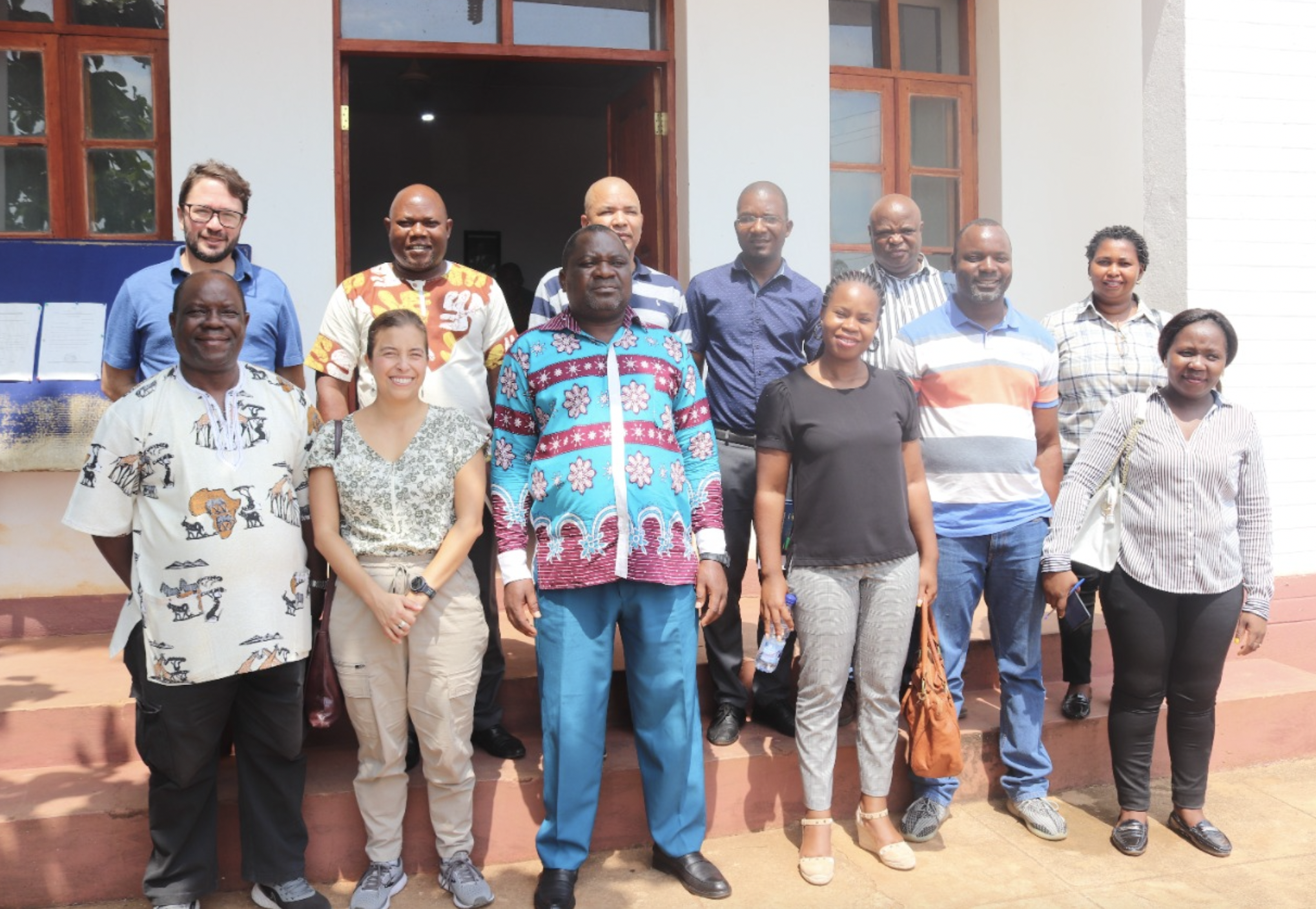
Graciela Briceno, Senior Education Advisor, USAID; Education Development Consultant; Music Teacher
Ask any director of a music for social impact program about the program’s mission and goals, and you will receive an impassioned response about helping children, teaching music, inspiring minds, saving lives, building community, and developing social-emotional skills. There is clarity in what we all aim to achieve, built on a vision of happy students and families, beautiful music coming from every corner of a school, and meaningful stories of positively impacting children’s lives. Our vision includes accolades from school leaders or even government officials and others who are inspired by this work.
But how do we know whether we’re actually achieving these goals?
EDITORIAL
Los métodos cambian, pero la comunidad hace avanzar nuestro campo
Christine Taylor Conda, Directora de los Programas Educativos REACH*TEACH*PLAY del Festival de Ravinia
Si la música es el lenguaje universal que une a las personas, cabría suponer que esta verdad se aplicaría también a la educación musical. Pero a menudo, por desgracia, nuestro campo puede separar a la gente en bandos aparentemente opuestos. A lo largo de mi carrera como líder de la educación artística, he sido testigo de muchos de estos cismas, así como de sus soluciones. Me gustaría compartir aquí tres de esas dicotomías.
¿Para qué sirve la educación musical?


