Program Evaluation


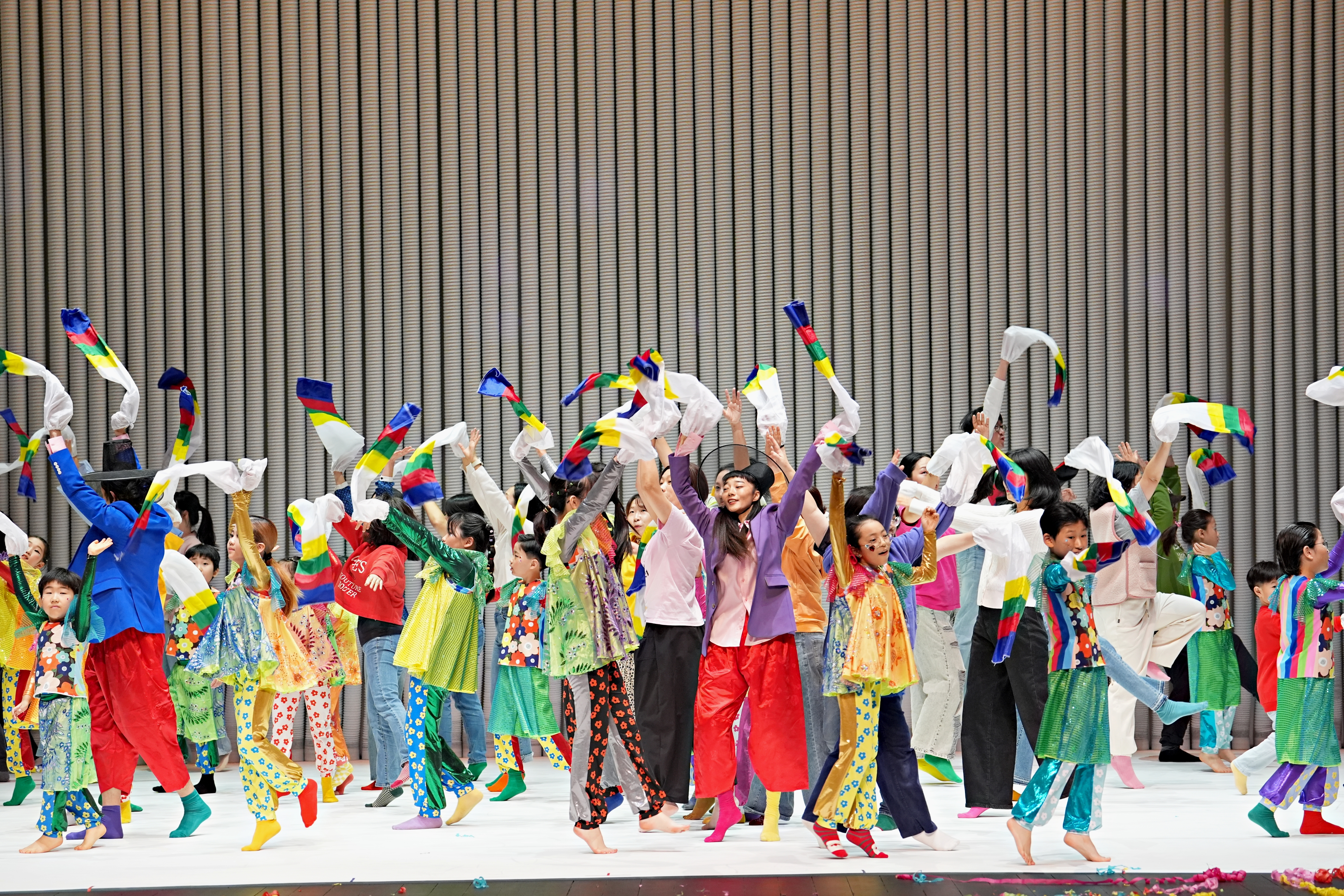
From Program to Public Infrastructure: The Evolution of Dream Arts
Jeehye Suh, CEO, Inculture Consulting (Rep. of Korea); Adjunct Professor, Korea National University of Arts
When we first designed the Dream Orchestra in 2010, we saw “isolation” as one of the most urgent conditions in children’s lives. At the time, the intensity of college entrance competition had already reached elementary school, and many children were being pushed into highly competitive, lonely environments.
Fifteen years later, children’s lives have not become easier. They remain caught in the competitive trap of the education system while social and economic inequality continues to deepen their vulnerability. Declining physical and mental wellbeing, weakened community ties, and the replacement of direct relationships with media-based activities have also left them increasingly disconnected.
Free Report from Sound Diplomacy: “Why Impact Matters”
To keep a music program running these days, it’s not enough to just believe in the work. We must be able to demonstrate our impact.
Measuring Your Program’s Results: A Practical Framework for Insight
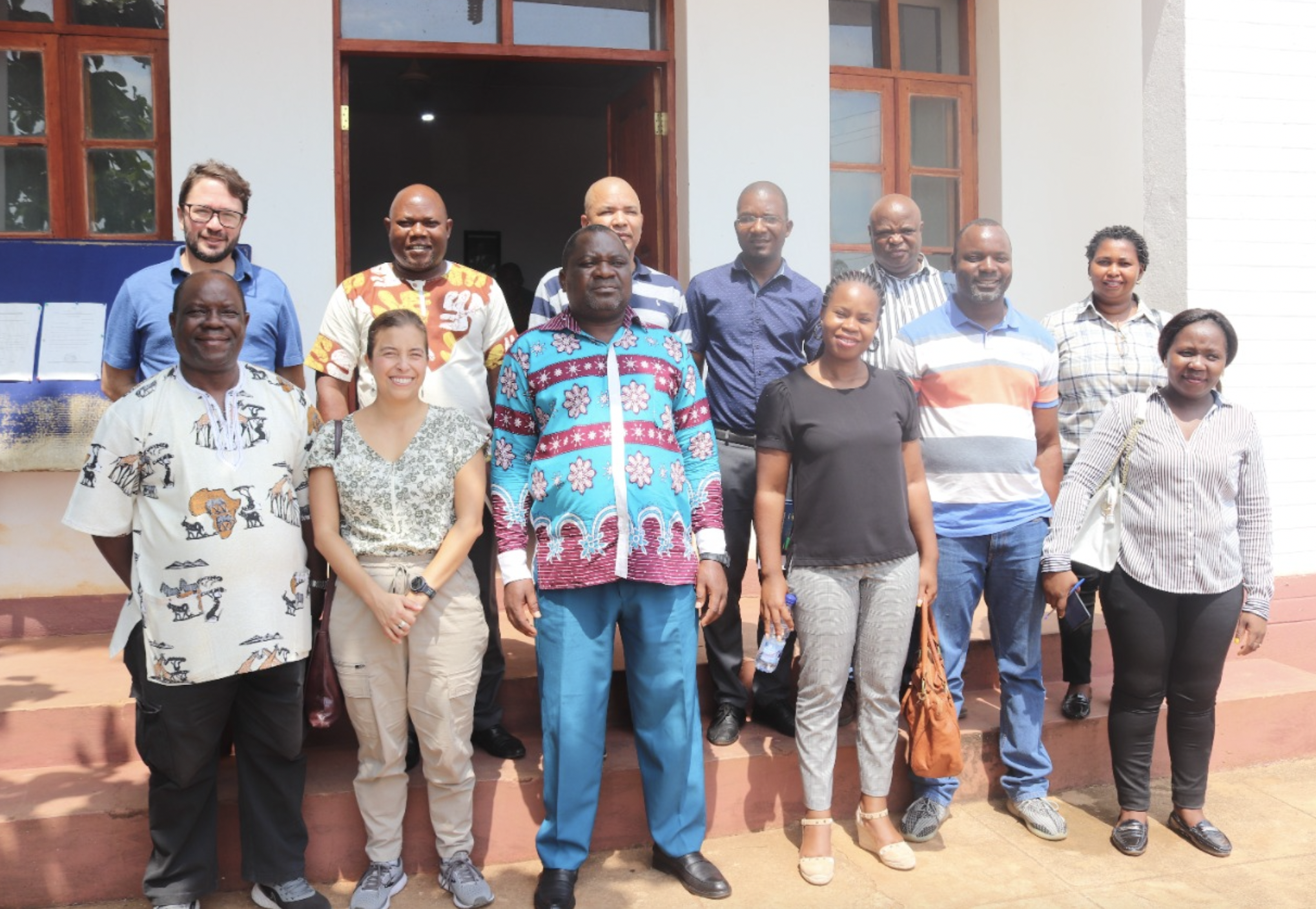
Graciela Briceno, Senior Education Advisor, USAID; Education Development Consultant; Music Teacher
Ask any director of a music for social impact program about the program’s mission and goals, and you will receive an impassioned response about helping children, teaching music, inspiring minds, saving lives, building community, and developing social-emotional skills. There is clarity in what we all aim to achieve, built on a vision of happy students and families, beautiful music coming from every corner of a school, and meaningful stories of positively impacting children’s lives. Our vision includes accolades from school leaders or even government officials and others who are inspired by this work.
But how do we know whether we’re actually achieving these goals?


