Collaborative Composition



Every Lullaby Begins with a New Encounter
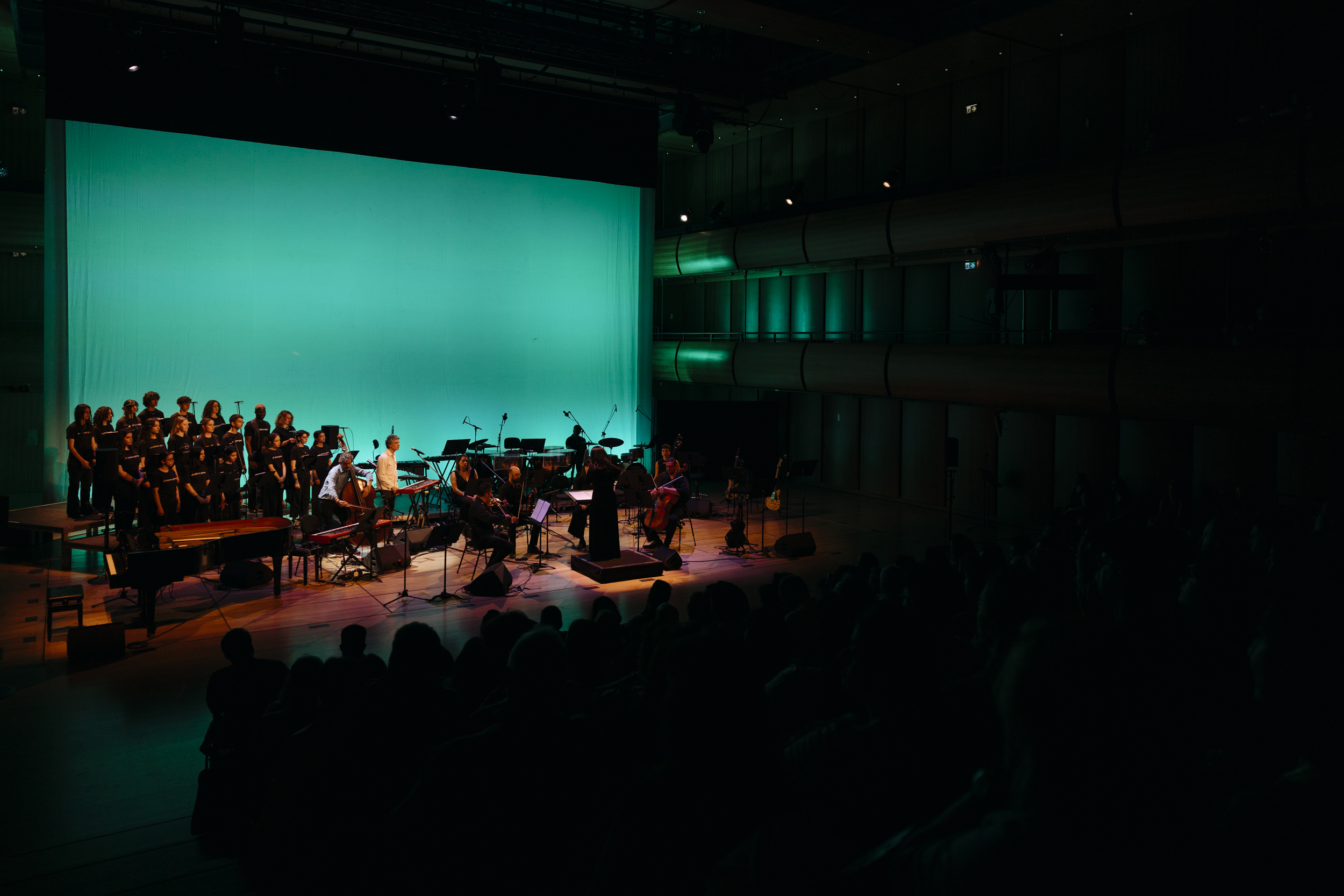
Fenia Biniari, Communications Manager, El Sistema Greece and Project Manager, ESG Lullaby Project, and Michalis Kalkanis and Christos Kalkanis, Seeds (composer duo)
The first chapter of a Lullaby Project song is usually written in a room where strangers have just met. Professional composers sit beside a mother who has never written music before. A child wanders around the room, curious but unsure. Participants may speak through an interpreter. Others may communicate more through gestures than words. At first, there are introductions, hesitant smiles, and long pauses. There is no score, no lyrics, no expectation of what the music should become.
Creating a Community of Belonging at OrKidstra
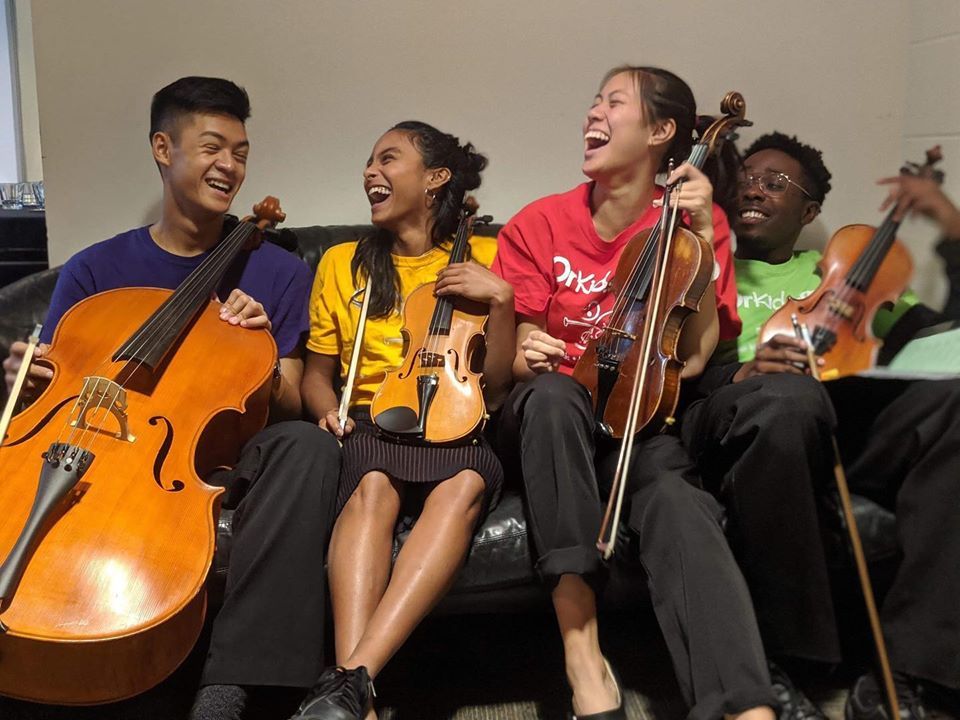
Rebecca Russell, Former Director of Development & Communications, Carrie Lauzon, Executive Managing Director, and Tina Fedeski, Co-founder and Artistic Managing Director, OrKidstra
When you walk down the halls of OrKidstra, you’ll hear the universal language of music around every corner. Laughter as the kids rush to the snack table during their break. And you’ll hear something distinctly Canadian: the beautiful sounds of a community composed of 62 different cultural and linguistic backgrounds. A community of belonging.
An Upstate New York Community Connects through Myanmar’s Music
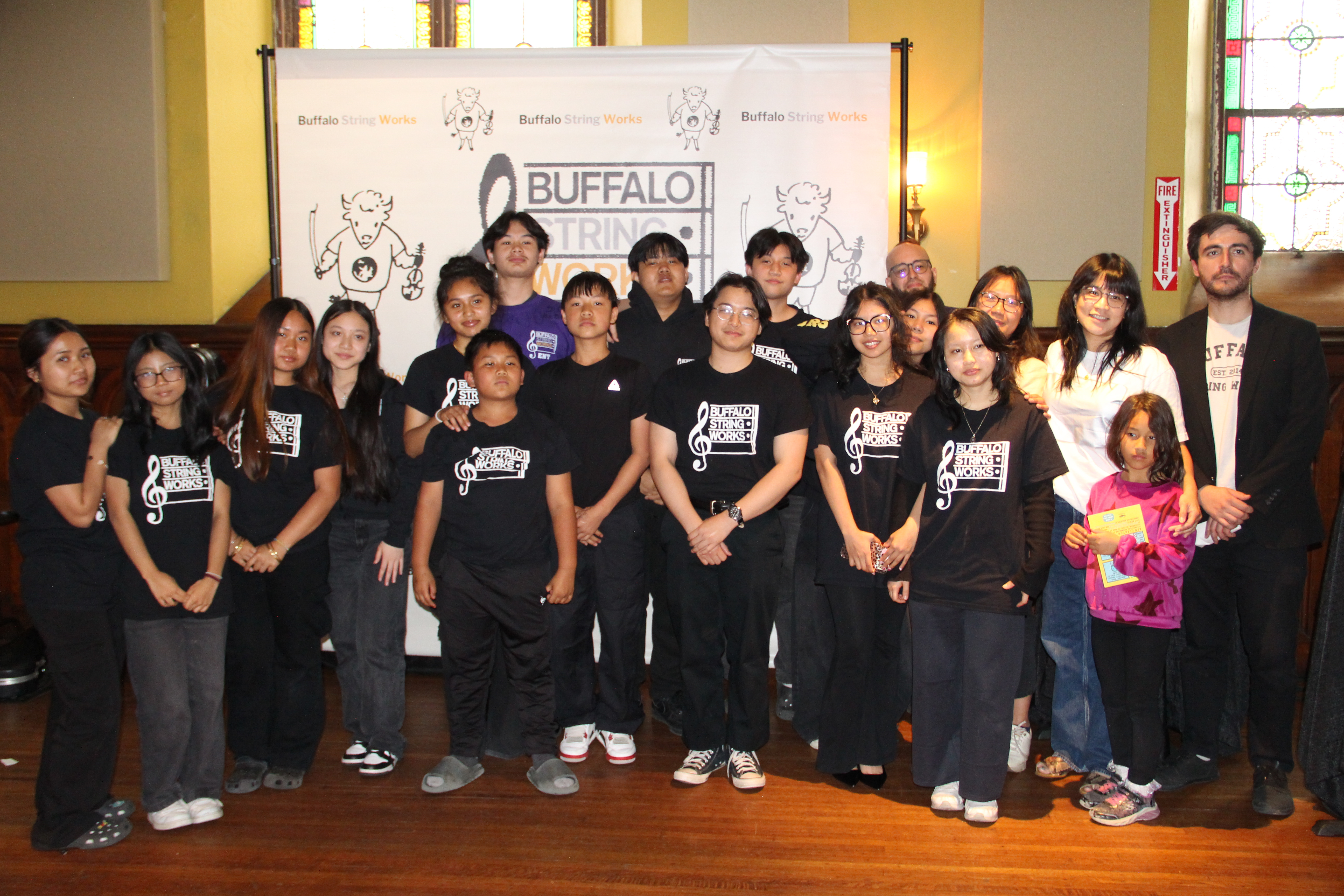
Andrew Borkowski, Director of Education, Buffalo String Works
During the 2022-23 academic year, Buffalo String Works began asking the question: “How can we be more intentional about the music we’re asking our students to learn and perform?” Over the course of attempting to answer this question, the BSW Music Library Development Project was born—resulting in the commissioning and composition of a brand-new work for student string orchestra: “Aka” by Wai Hin Ko Ko.
Sitting in the Student Seat at AIM’s Fire Up Residency
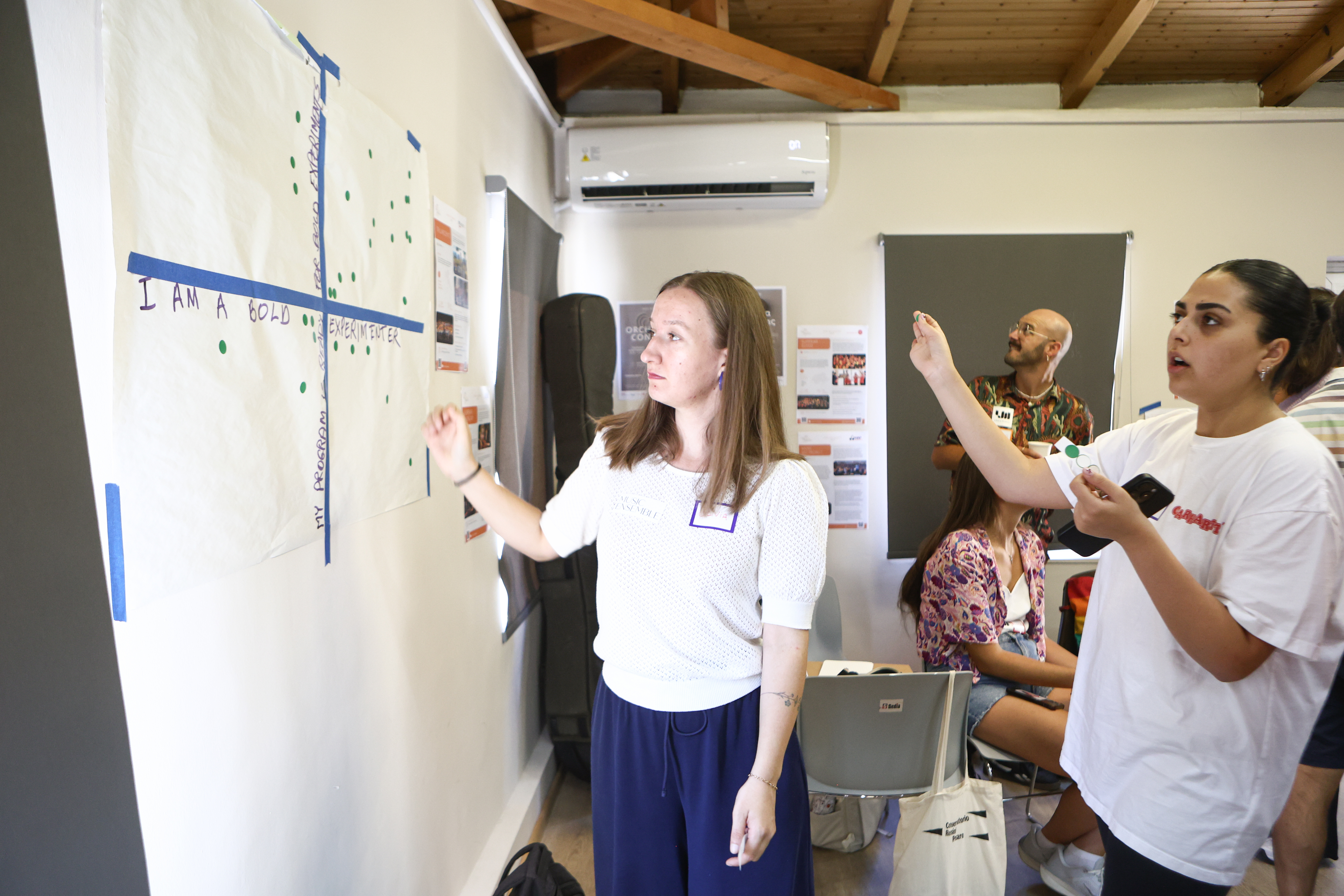
Olivia Romanet, Music Theory Teacher, MusicEnsemble, Conservatoire de Musique de Genève
That first day, I felt like a teenager: somewhat defiant, hesitant to initiate, eager to observe, even mistrusting…but also wanting to chat, meet people, laugh, and share.
AIM knew what they were doing. We’d found ourselves on the other side of the classroom, sitting in the student chair. And in experimenting with ways to develop our own community and agency—our capacity for action—as educators, we found ourselves viewing students’ needs with new empathy.


