student-centered learning



GUEST PERSPECTIVE
When Art and Music Create a Shared Listening Space
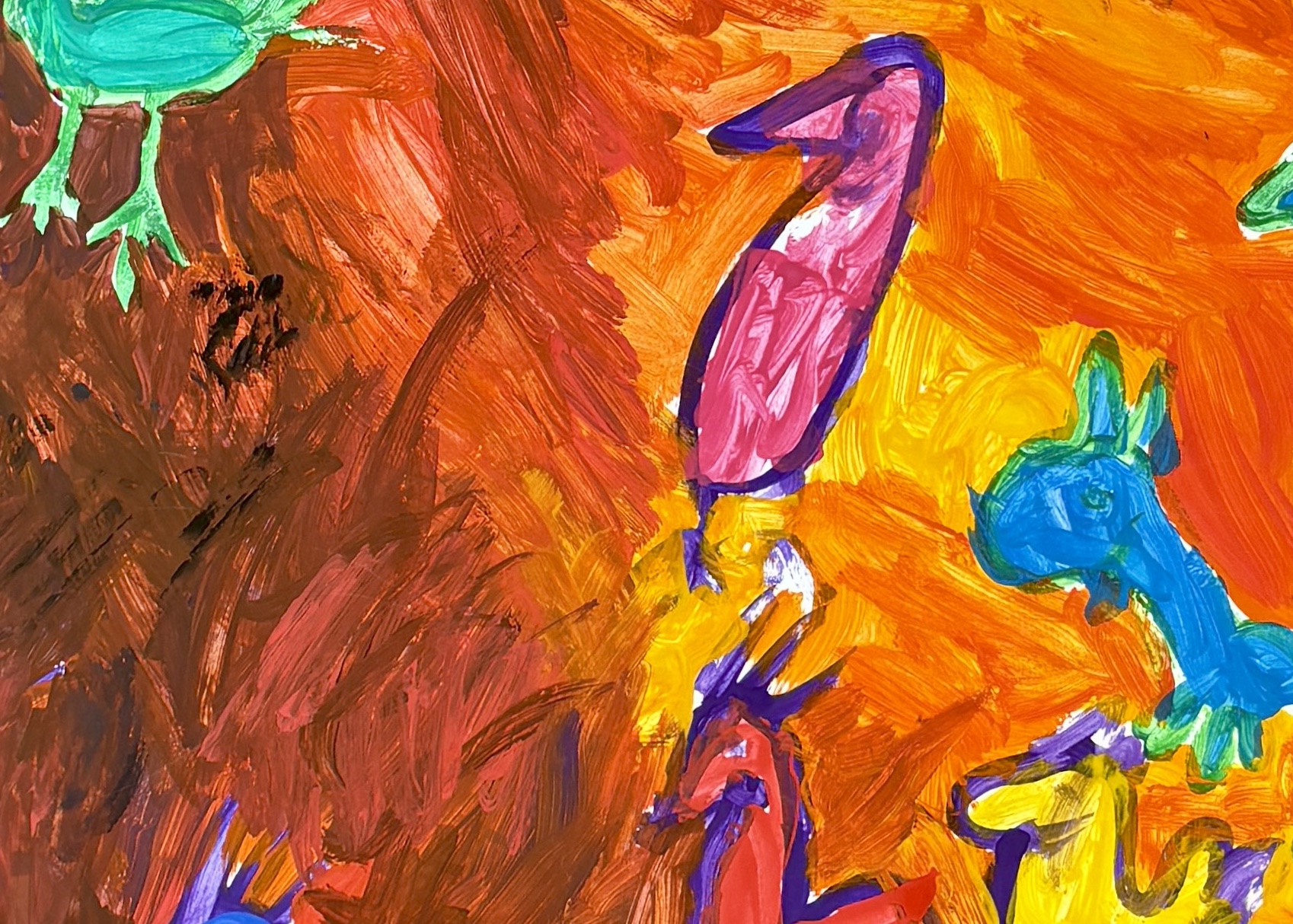
Giovanni Acquilino, 2025 Cohort Member, Global Leaders Institute
What does visual art have to do with listening?
It’s an unusual question—but one that’s well worth exploring, as I discovered recently when I attended Sguardi Paralleli (Parallel Glances) – Art Therapy and Autism: Art as Language, an exhibition held in Alassio, Italy and curated by art therapist Carla Paura.
EDITORIAL
The Power of Youth Voice
Ayde Diaz, El Sistema USA 2025 Youth Ambassador; YOLA Torres Student
An instructor once told me, “When we listen to our students, we remember why we’re here. Their perspective makes us better.” That was the moment I realized our learning experiences aren’t a one-way street. In programs that truly value our voices, the impact extends far beyond the classroom. It reaches families, neighborhoods, and entire communities.
Growing Arts Education in India, No ‘Artist’s Touch’ Required

Dharmesh Moleshri, Growth & Outreach Manager, Saturday Art Class
In a city like Mumbai, India’s financial capital, 300 out of the 400 public schools do not have a designated art teacher. Many schools rely on academic subject teachers to handle “art classes,” despite their lack of formal training or experience. While working in rural and remote regions, we realized that the situation worsened outside of Mumbai, reflecting a nationwide trend that affects over 250 million children in government and low-income private schools. Recognizing that hiring specialized art teachers was not feasible for many schools, we developed the “Art for Educator” (AFE) program to empower existing teachers as facilitators of visual arts and SEL.
EDITORIAL
Universal Design for Learning: A Natural Fit for El Sistema-inspired Programs

Graciela Briceno, teaching artist and Foreign Service Officer, Accra, Ghana
Imagine that you are walking up a staircase that leads to a school entrance, and you notice a sign that says, “ramp located at the back door.” Okay, so the sign and the ramp make the building technically accessible—but a person who can’t use stairs has to go all the way to the back of the building, locate the ramp, and hope that the door is open.
What if, instead of a staircase in front and a separate ramp in back, the architect had created a walkway that incorporates stairs and ramps all in one place?
This is the foundational metaphor of Universal Design for Learning, or UDL.


