June 2023


AIM’s Music Capsules Offer Snapshots of How We Learn
Fiona Cunningham, Director, Academy for Impact through Music (AIM)
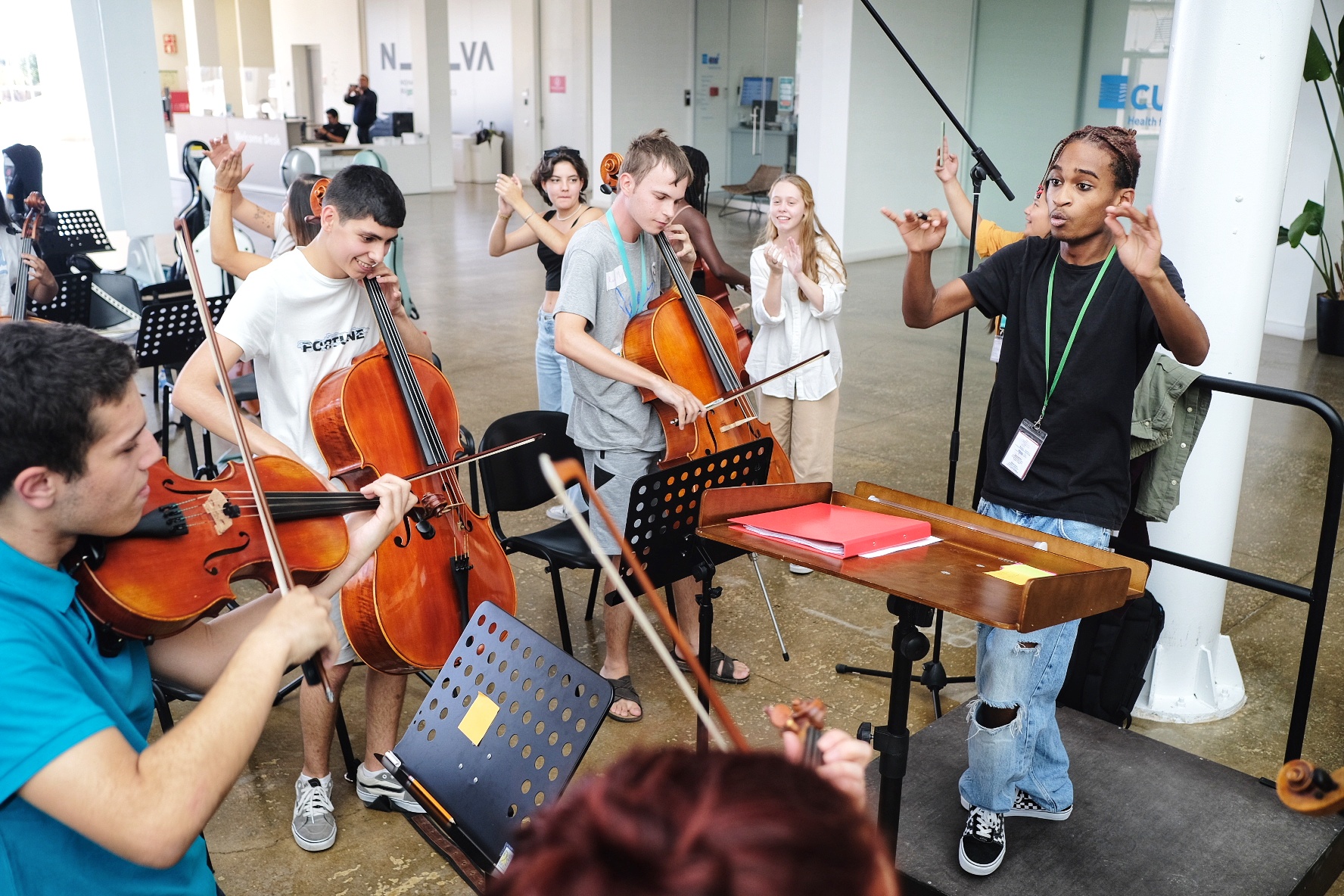
If you’re a teaching artist, or have ever been one, you’ve probably wondered: Should I always take the lead in the learning process? Are there ways students can take the lead sometimes? What’s the best way for my students to learn?
Such questions are often the focus of “The Firebird Fellowship,” the program at the heart of the Academy for Impact through Music (AIM), a global innovation lab for changemakers tackling educational inequality through music education.
Song, Steel, and Social Impact in Trinidad and Tobago

Dr. Leah Brown, Artistic Director and Interim Musical Director, The Lydians
From Puccini’s Turandot to the Congolese-inspired Missa Luba, from pulsating calypso arrangements to Handel’s “Hallelujah Chorus” performed to the rhythm of East Indian tassa drums, The Lydians organization has always sought to expand its participants’ sense of what’s possible.
The Ambassadors’ Exchange: In Our Own Voices
To complement the “Ambassador (Re)Introductions” published in April, the cohort recorded video introductions for the month of June. Listen to the Ambassadors as they say hello in their native languages, from every corner of the globe.
From Music Rooms to Policy Meetings: Taking Lessons from a Life in Music
Axelle Miel, former Cohort Leader, Ensemble Ambassadors
In my first Ensemble editorial, I wrote about how opportunities within classical music allowed me to bypass barriers caused by economic inequality in the Philippines. But this unequal distribution of resources still bothers me today, which is why I’m studying political science and hoping to go into policy research after graduation.
With just one year to go at college, I’ve been reflecting on the ways my musical training has influenced how I approach the social sciences.
Hope at the Southern Shores: Making Rainbows in the Time of Covid

Denay Maberry, Cofounder, The Rainbow Academy
According to 2020 UNESCO report on education, more than 1.5 billion learners across the globe were unable to attend school because of the COVID-19 pandemic and its resulting lockdowns. South Africa was not exempt; most of our young learners here lacked Internet or smartphone access, preventing them from utilizing any of the few online teaching platforms available to them. Compounding this, many arts non-profits in South Africa—all of which provide a buffet of critical social and community services—faced severe rates of closure as funding and sponsorships disappeared in every direction.


