

Jeunesses Musicales International: The Story Behind the Movement
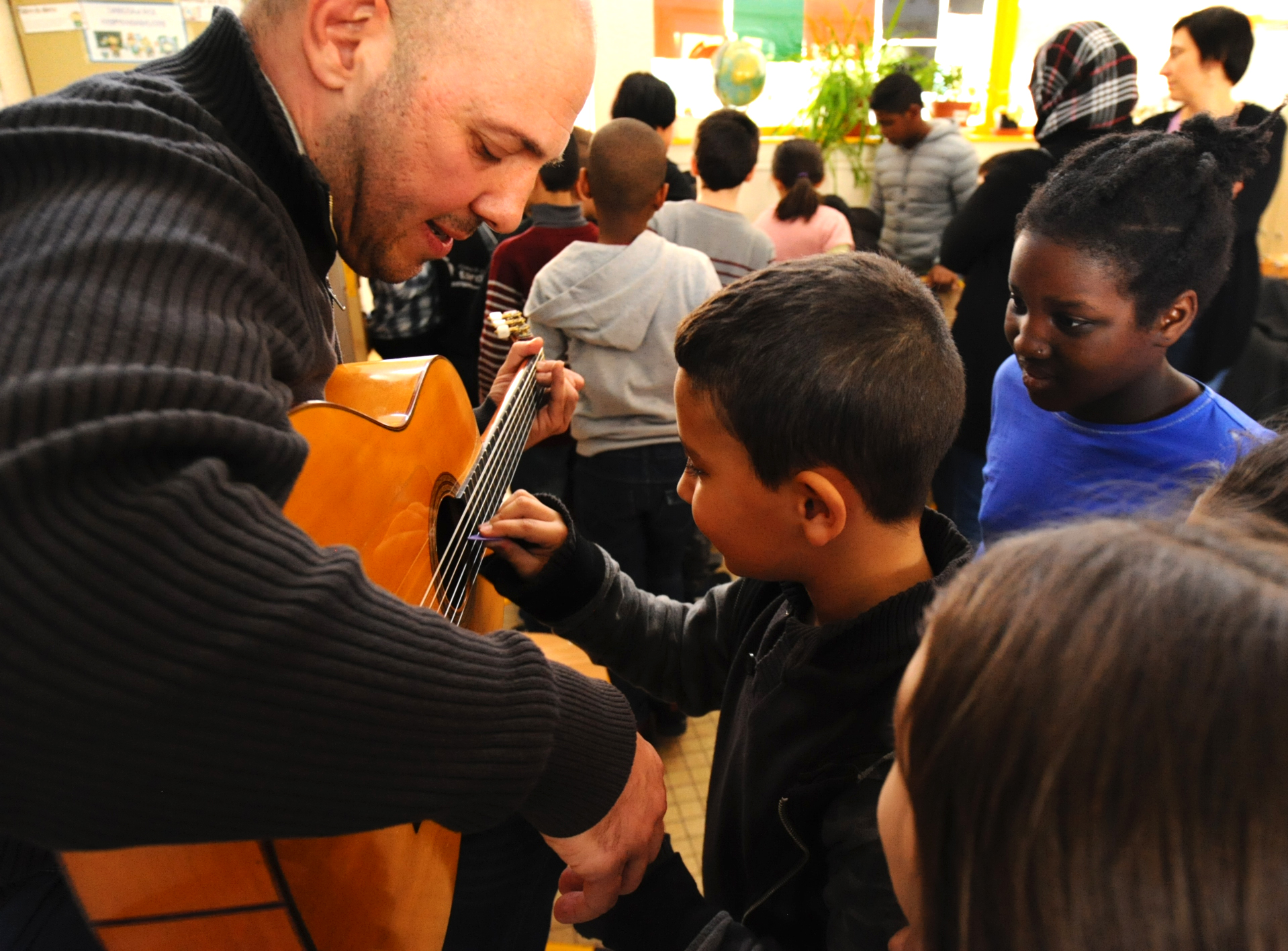
School music intro workshop, JM France. Photo: Olivier Daubard.
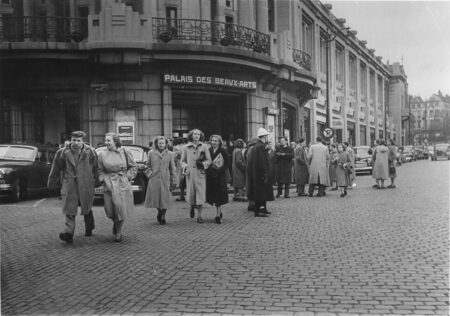
Almost a hundred years ago, as construction began on the majestic Palais des Beaux-Arts in Brussels, Belgium, Director Marcel Cuvelier walked through the construction site with a dream. “I always thought of giving concerts for young people,” he later wrote. “When I walked like an insect in that huge frame that would become a concert hall, meeting rooms, offices, halls…I thought about an audience that is demanding, worthy of respect, living: young. I could already hear the shouts and the applause.”
Twelve years later, in October 1940, that dream became a reality as Cuvelier presented the first-ever concert of Jeunesses Musicales (JM, meaning “Musical Youths”) in the completed building. The challenge was greater than he had ever imagined: the Nazi occupation of Belgium had begun, and there were severe restrictions on public events involving the assembly of youth. Cuvelier and his team met this challenge cleverly: they made sure that throughout the schools of Brussels, there were JM representatives in every classroom, whose responsibility was to mobilize their classmates to attend these concerts—to sing songs of resistance and experience magical moments of musical relief from the tyranny of the world outside.
Word of Cuvelier’s work soon began to spread. His friend and colleague in Paris, René Nicoly, began to lay the foundations for similar actions in France. And after the war ended, the two men joined forces to create an international youth-music movement with the aim of empowering youth through music, across all boundaries. This was the beginning of Jeunesses Musicales International (JMI).
The organization swiftly began its mission to rebuild the bridges between nations and peoples with music, and to spread a message of peace around the world. JM national chapters spread rapidly, with organizations being formed in Luxembourg (1947); the Netherlands (1948); Austria, Portugal, and Switzerland (1949); Canada and West Germany (1951); Spain and Thailand (1952); Cuba, Haiti, and Brazil (1953); Great Britain, Italy, and Uruguay (1954); and Denmark (1958). The movement was seen by many as a “United Nations for youth and music.”
Since classical music was the era’s most ubiquitous form of musical expression across Europe, that genre formed the basis for JMI’s collaborations, concerts, and educational activities.

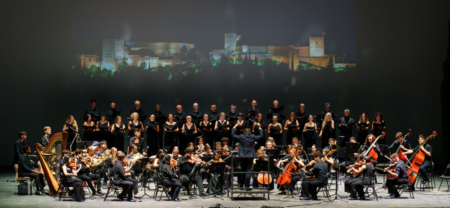
Throughout the late 1940s, JMI’s Annual General Assemblies would gather young representatives from across its member countries. It was only natural that these international enthusiasts would form an ensemble—and so began, in 1949, the first global JMI program, “the JM World Orchestra,” under the baton of Igor Krieschev. The JMWO would go on to be conducted by Leonard Bernstein, Kurt Masur, and Zubin Mehta, among many other phenomenal conductors, and to become a life-changing experience for young musicians, spreading a message of peace. In 1995, JMWO was officially recognized as a UNESCO “Artist for Peace,” having performed on both sides of the Berlin Wall and reached over 10,000 young musicians from all corners of the world.
In 1989, JMI launched the World Youth Choir as a vocal counterpart to the world orchestra. First led by famed choral director Eric Ericson, in Stockholm, Sweden, the choir has since brought together more than 1,200 young singers representing over 75 countries.
In the decades since its founding, JMI has grown and broadened to include all forms of musical expression, with diverse international programs catering to various music genres and causes. JMI’s projects include:
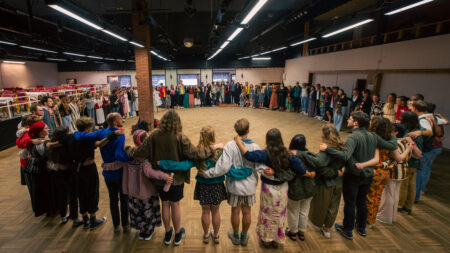
- Ethno, with peer-to-peer world music gatherings that take place in over 30 countries annually, where participants teach each other the music of their cultures, forming Ethno folkestras that perform, tour, and facilitate musical workshops.
- Imagine Music Xperience (IMX), an international all-styles music competition offering workshops, coaching, and exposure to talented young people under the age of 21, across 12 countries.
- JM Jazz World Orchestra, an international big band rivalling the JMWO and WYC, led by artistic director Luis Bonilla.
- Music Crossroads, with music academies in Malawi, Mozambique, and Zimbabwe that offer a four-year diploma, based in African and diasporic music traditions, to over 100 students every year, as well as facilities to learn, practice, and perform.
- YAM (Young Audiences Music), encompassing a massive 25,000+ concerts and musical workshops annually, for youth and children aged 18 and under, across 15+ countries. The focus is on providing access to high-quality live music experiences, as well as holding the annual YAMawards and the YAMsession.
JMI has also become known for its global music initiatives that address important societal issues. These include:
- Fair Play, a global anti-corruption music platform, in partnership with Transparency International
- The Music Against Child Labor Initiative, an annual awareness-raising campaign run together with the International Labor Organization
- The recently launched Green Freeq Award, recognizing young musicians who speak out for the planet
- Play It Loud!, which tackles gender inequality, equity, and access in the music sector, providing tailored opportunities for young female and nonbinary musicians.
All in all, there are now over 65,000 musical activities taking place annually throughout the JMI network, reaching more than eight million people. What started out as the dream of one young man in war-torn Belgium has now become the world’s largest youth music organization. The “shouts and applause” that Cuvelier imagined, as he pursued his dream, are now ringing out around the world.
Related Content
All Regions, Collaborations, Community Building, Events/Performances, Gather Together, News and Resources, Professional Development
UNESCO Seeks Youth Voices to Shape Global Agenda
Patrick Scafidi
All Regions, Collaborations, Community Building, Events/Performances, Gather Together, News and Resources, Professional Development
Free Resources from a Major Music School
Patrick Scafidi
Collaborations, Community Building, Featured, North America, Program Design, Student Voice & Leadership, Teaching & Learning, Venezuela
U.S. Programs Are Approaching ‘The Middle’ of Their Movement. Now What?
Patrick Scafidi
All Regions, Collaborations, Community Building, Europe, News and Resources, Professional Development, Repertoire, Research
Reclaiming Music Silenced by the Nazi Regime
Patrick Scafidi


