Suzuki Method


EDITORIAL
Practicing Collaboration
Angelica Cortez, Executive Director, Suzuki Association of the Americas
In arts education programs, we tend to work with our heads down. Doing our work every day is enough: it takes more time than we have to create our lesson plans, to build healthy organizational infrastructure that is adaptive and responsive, or even to collaborate with the colleagues within our own organizations. As artists and arts leaders, we forget to look up and out. But as various crises combine forces to pull us away from each other, our need for collective work is not something we can afford to have on a backburner. It needs to be a central focus. We need to build strong local networks and to diversify our collaborators.
We need to connect—with fellow arts organizations, and with organizations we might never consider in our daily work.
Along Italian Coast, a Climate-Conscious Program Turns “Rubbish Into Music”
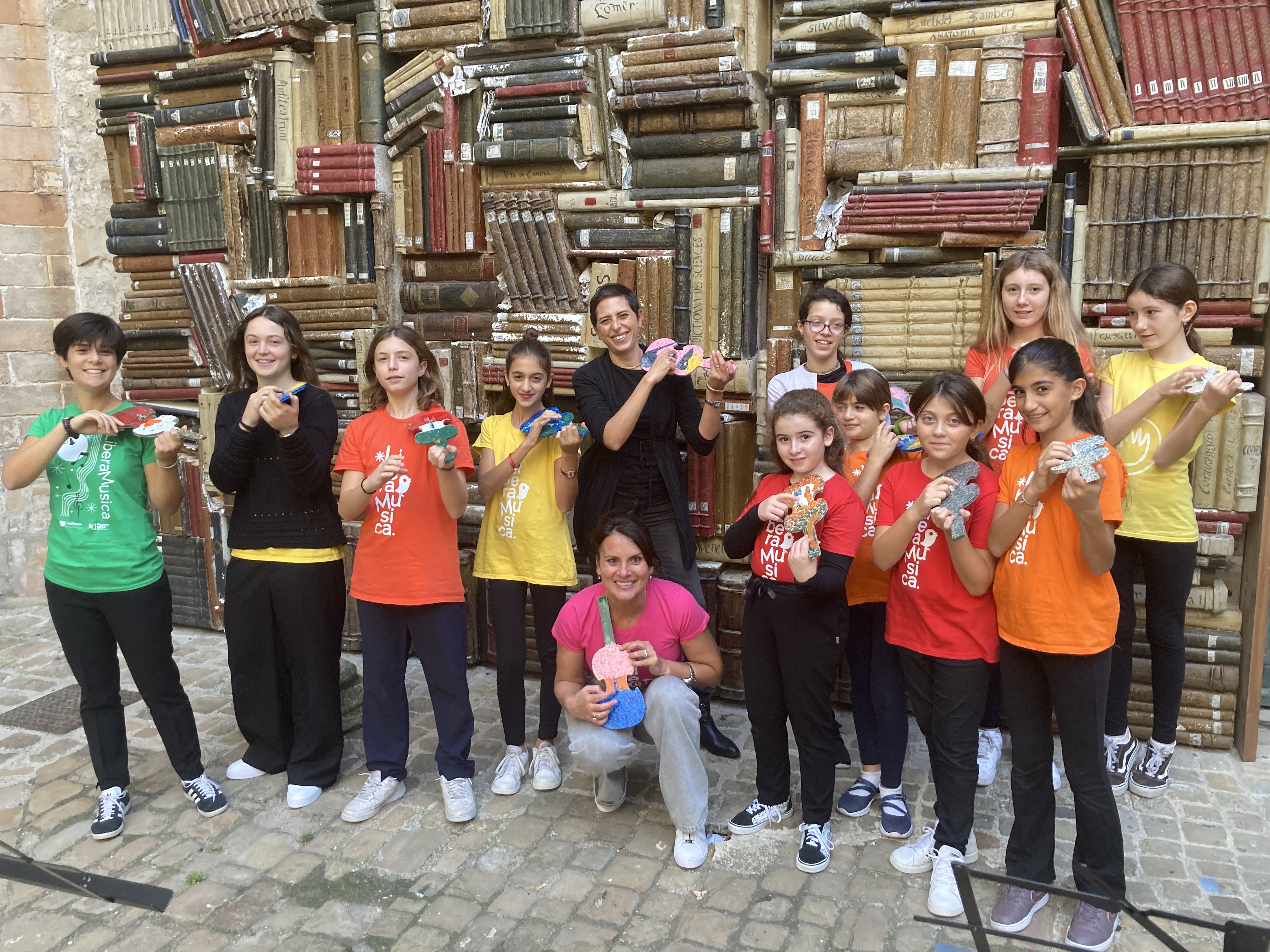
Chiara Galli, Managing Director, and Stefano Murciano, Communications Manager, LiberaMusica
In the city where LiberaMusica operates—Pesaro, Italy, right on the Mediterranean coast—the connection with nature is strong and part of everyday life. From the Apennine Mountains to the coastline, children grow up surrounded by an environment that is rich, fragile, and, today more than ever, in need of protection. In recent years, our region has been marked by extreme events: floods, droughts, and changing seasons are reshaping our landscape. Schools and associations have been working hard to raise ecological awareness, and LiberaMusica wanted to contribute by doing what we know best: making music.
In Genoa, an Ensemble for Every Phase of Life
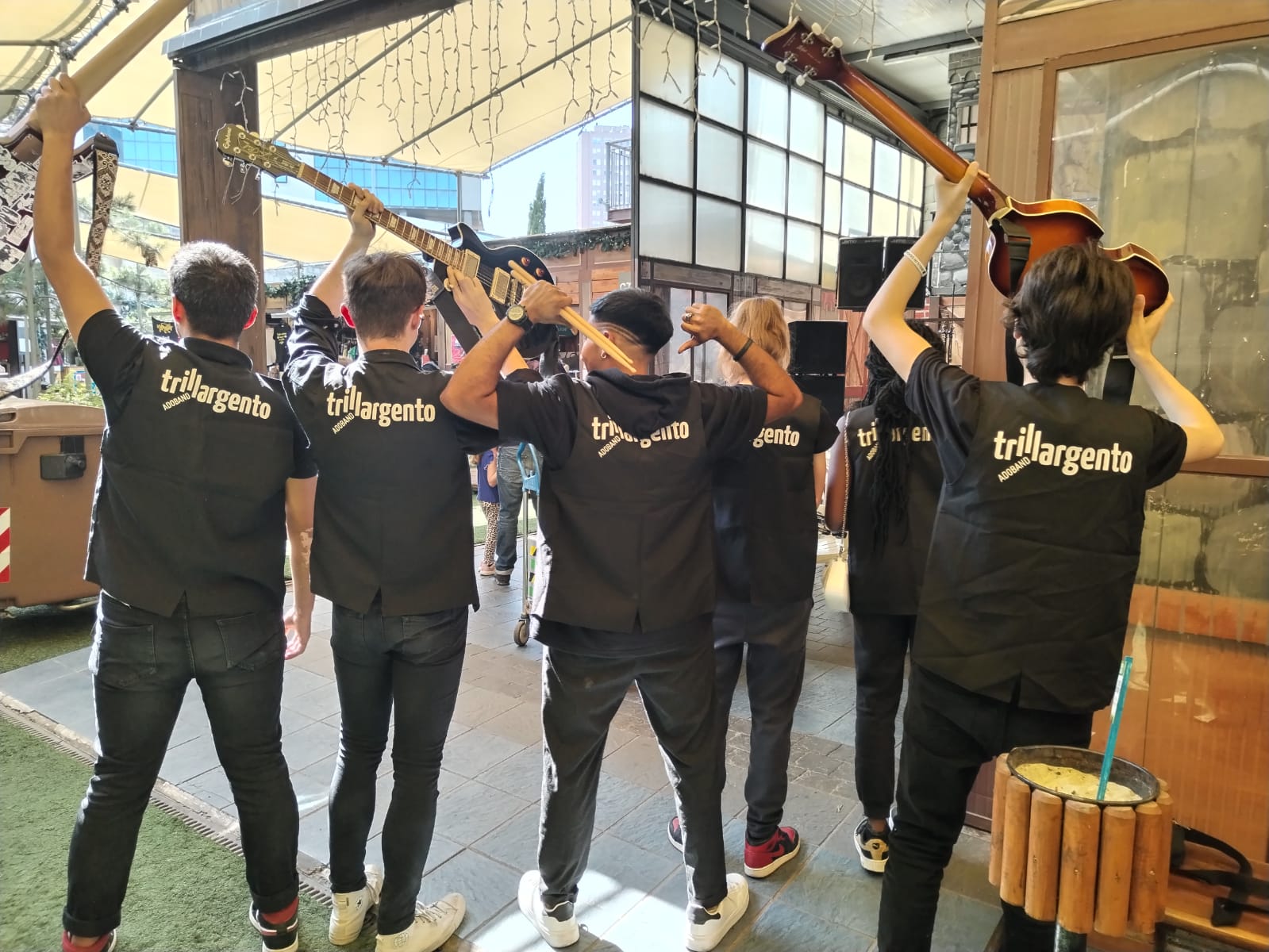
Lara Camia, Project Manager, Trillargento and Matteo Guerrieri, Artistic Director and Conductor, Trillargento
Trillargento is a community-based music program founded in Genoa, Italy, that explores how ensemble music practice can foster social inclusion, personal growth, and cultural participation. Over the years, we’ve grown into a multi-layered ecosystem of ensembles, each responding to a specific need but together forming a single educational journey that integrates musical development with social and emotional learning.
Child’s Play India’s Glass is Half-Full, Half-Empty
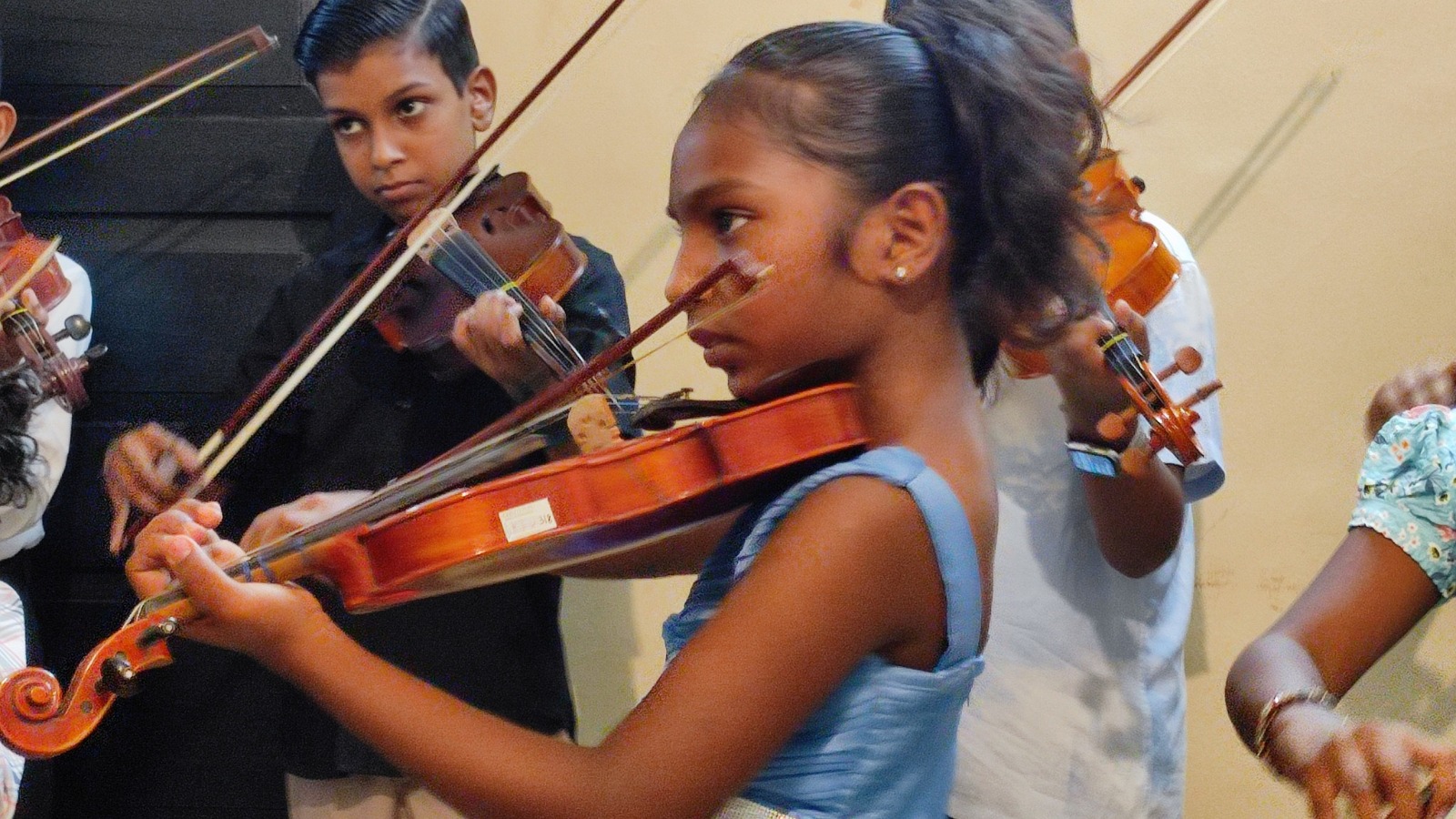
Dr. Luis Dias, Founder/Director, Child’s Play India Foundation in Goa, India
Unlike more privileged settings, we could not make the switch to online teaching; we did try it, but most of our children did not have their own phones, and there were other issues, such as out of tune instruments, strings broken, and instruments outgrown. When the lockdown eventually lifted, many of our children had moved out of area or progressed to higher mainstream education which took them away from music lessons, either geographically or in terms of available time. We have had to start over, with new groups of children for violin and cello.
But there is also good news to balance things out.


