Social Transformation


EDITORIAL
When an Instrument Case Means ‘Don’t Shoot’: Symbolic Recognition in Medellín
Nathaly Ossa Alzate, strategic arts management and social impact consultant
In Nancy Fraser’s framework, social justice requires both redistribution (economic resources) and recognition (cultural and symbolic status). Symbolic recognition is the validation of one’s identity, dignity, and self-worth within a broader socio-cultural context. And in 1990s Medellín—our time—young people faced material deprivation and severe symbolic misrecognition, viewed solely through the lens of urban violence, stigma, and invisibility.
Contribute to a Collection of Global Artivism Work
Global Artivism is building an international network of artists and teaching artists who work to change social and political realities.
After Years of Outreach, Brass for Africa Puts Down Roots
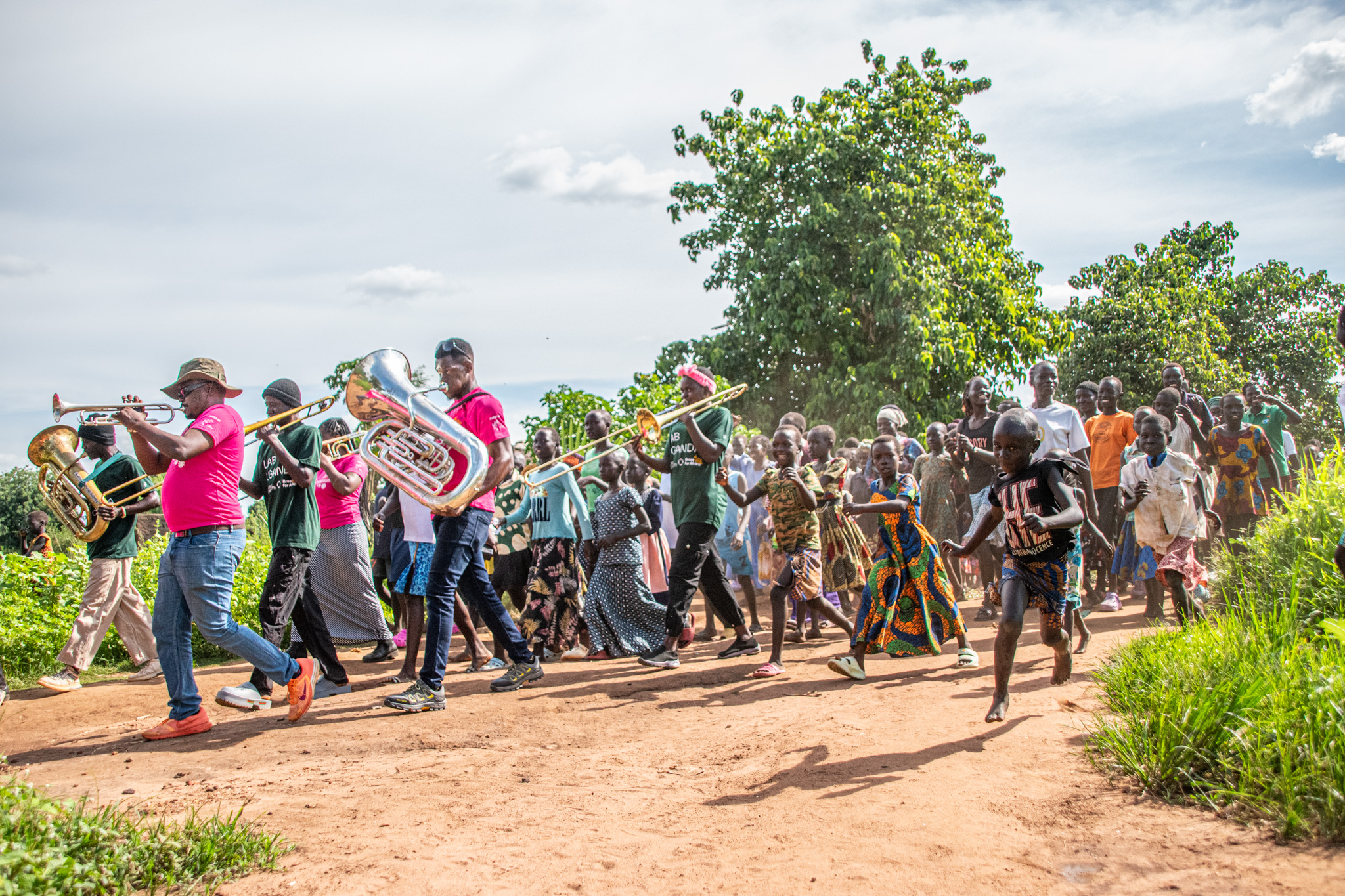
Ronald Kabuye, Country Director, Brass for Africa – Uganda
For years, Brass for Africa has worked toward one powerful goal: using music to empower all young people and their communities to fulfill their potential and thrive. Since 2009, that mission has come to life through an outreach model, wherein music and life-skills teachers make long, often demanding journeys across communities.
It worked. It reached thousands. But in 2026, we’re trying something new: the Hub Model.
Suggested Reading: Music Reshapes Young Lives in Africa
The Art of Positive Fatalism – Lessons from Kinshasa is a new book by Lukas Pairon, the founder of the international research organization SIMM (Social Impact of Making Music).


