Music Educators


Solving the Instrument Crisis in Global Music Education Programs
Graciela Briceno, Program Manager, In Concert Opus Network
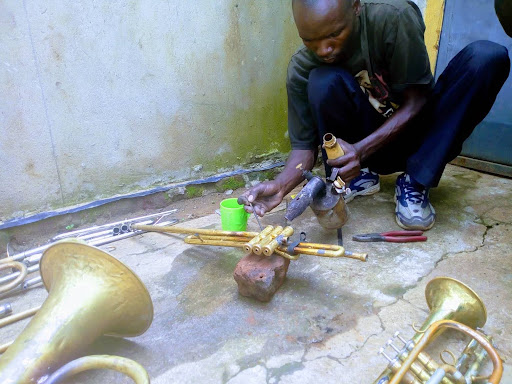
The image is jarring: a vibrant green lawn scattered with brass instruments in various forms of disrepair, some rusted, others broken or bent. A few rest in old cases with broken hinges. This video was shared by Kyewalyanga Fredrick (Freddie), founder of Saved by Music Foundation, a nonprofit in Uganda that serves 111 children between the ages of 8 and 16. Alongside shelter, food, healthcare, and school fees, the program teaches music through the Elgon Youth Brass Band that rehearses every day. Unfortunately, like a majority of programs in the region, Saved by Music Foundation does not have enough playable instruments for all of its students.
Invitation to Join Music Inclusion Hub
The new Music Inclusion Hub (MIH) is a one-stop resource center that provides access to racial- and gender-inclusion educational materials for students of all grade levels, from educational videos and interactive composer databases to curricula and original student arrangements.
El Sistema Oman Launching This Fall
A new Sistema program is coming to Oman this fall.
Opera on the GO! Resources for Music Educators
The Opera Theatre of Saint Louis is hosting a free, virtual resource on their website for music educators worldwide through May 31.
New Opportunities from the International Alliance for Women in Music
The International Alliance for Women in Music is offering two funding opportunities to help increase women’s representation in music performance and education.
NAfME Report: Divisive Concepts Laws and Music Education
Regressive lawmaking in the U.S. has led some music educators to feel unsafe talking about race, gender, or history in the classroom. In response, the National Association for Music Education (NAfME) a published a must-read report earlier this year on Divisive Concepts Laws (DCL) – legislative and executive orders that restrict teaching and learning activities related to race, gender, sexuality, and U.S. history—and their impact on music educators across the U.S.


