Carnegie Hall


Two Resources from Carnegie Hall
Celebrating 15 years of the program, “Exploring Identity” is one of three recently released playlists featuring performances from Carnegie Hall’s Musical Connections program at Sing Sing Correctional Facility.
Every Lullaby Begins with a New Encounter
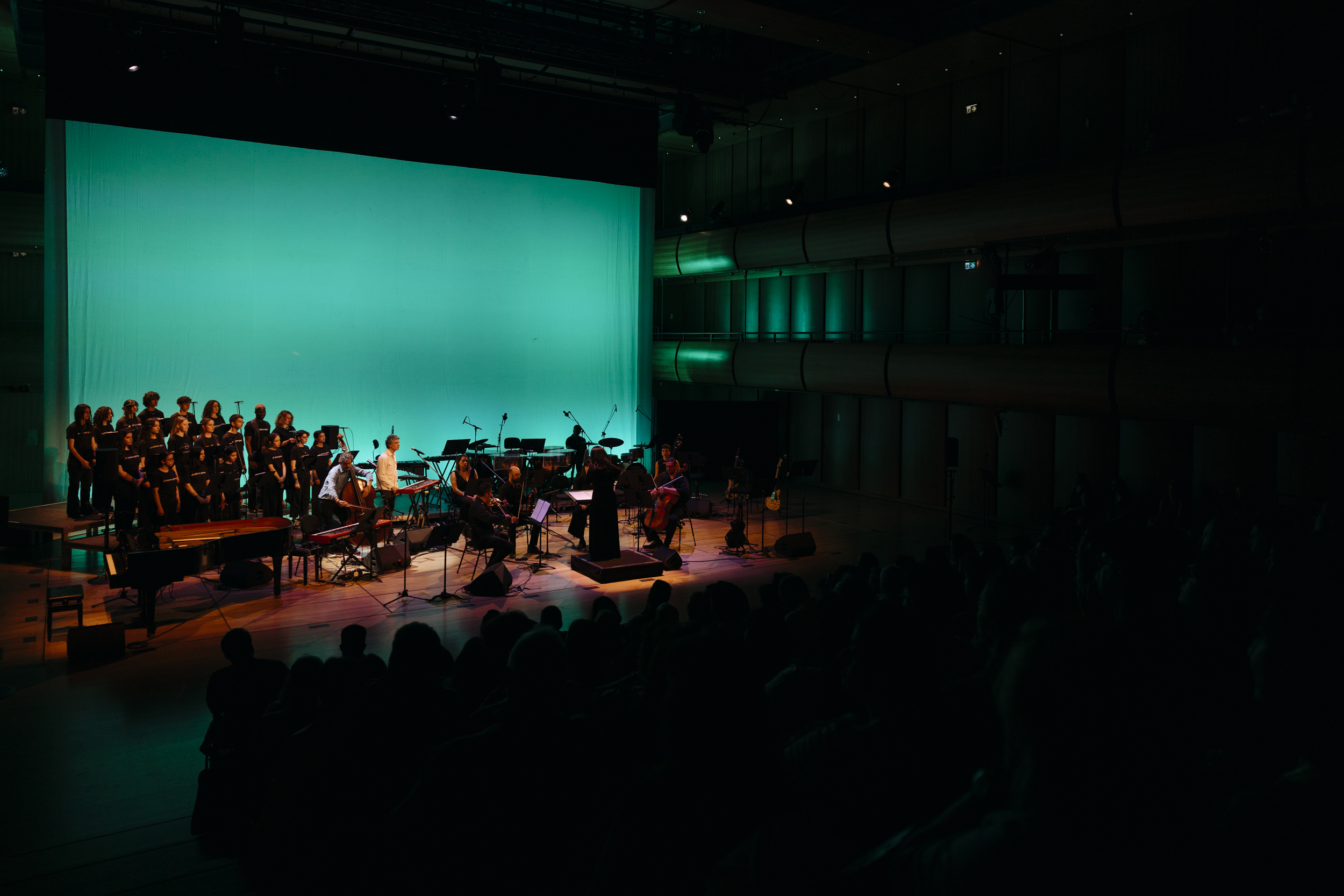
Fenia Biniari, Communications Manager, El Sistema Greece and Project Manager, ESG Lullaby Project, and Michalis Kalkanis and Christos Kalkanis, Seeds (composer duo)
The first chapter of a Lullaby Project song is usually written in a room where strangers have just met. Professional composers sit beside a mother who has never written music before. A child wanders around the room, curious but unsure. Participants may speak through an interpreter. Others may communicate more through gestures than words. At first, there are introductions, hesitant smiles, and long pauses. There is no score, no lyrics, no expectation of what the music should become.
Expanding the Lullaby Project in Greece
For nine years, the Stavros Niarchos Foundation Cultural Center in Athens, Greece—in partnership with El Sistema Greece and New York’s Carnegie Hall—has presented works from The Lullaby Project, in which people with diverse experiences work with composers and songwriters to transform personal stories about relationships with children into original musical works.
Free from Carnegie Hall: Rhythm Explorer, A New Online Music Game for Kids
Carnegie Hall has launched Rhythm Explorer, a free interactive music game where kids can play along with songs from diverse musical traditions.
Playlists from Carnegie Hall Corrections Program
Carnegie Hall celebrates 15 years of its Musical Connections program with Sing Sing Voices, a new collection of video playlists featuring original music created by participants and alumni at Sing Sing Correctional Facility, a maximum-security prison.
Through Songwriting, Colombian Communities Resolve Conflict and Make Their Voices Heard
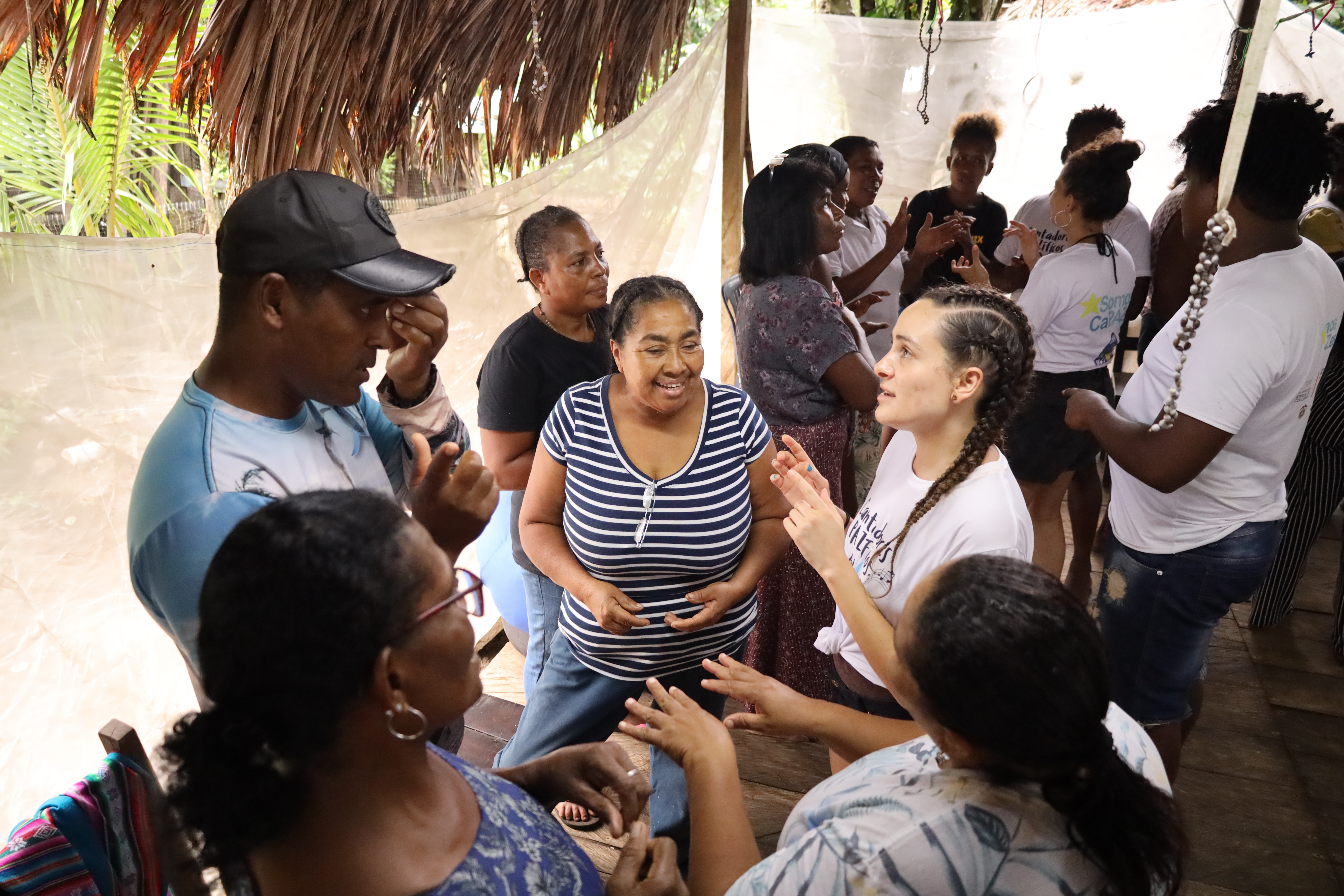
Ana Uribe Law, musicologist and violinist; 2023 Alumna, Global Leaders Institute
Ask any Bogotano about their perception of Colombia’s Chocó Region, and you’ll likely hear that it is a dangerous and remote place, visited primarily for whale-watching. These inter-regional biases are not uncommon—decades of armed conflict have disrupted networks of community and social cohesion, fragmenting them and threatening the practices that sustain communal life. And though a shared sense of Colombian identity exists, each of the country’s regions maintains a distinct cultural character that is often rooted in music.
Before traveling to Chocó, my perception of Colombia’s outer territories was similarly close-minded.
New Report: “Why Making Music Matters Now”
A recent report from Carnegie Hall’s Weill Music Institute and WolfBrown proves that making music creates a number of positive outcomes, especially in early childhood.
Chiquinha Gonzaga Orchestra: Building a Culture of Peace Through Music
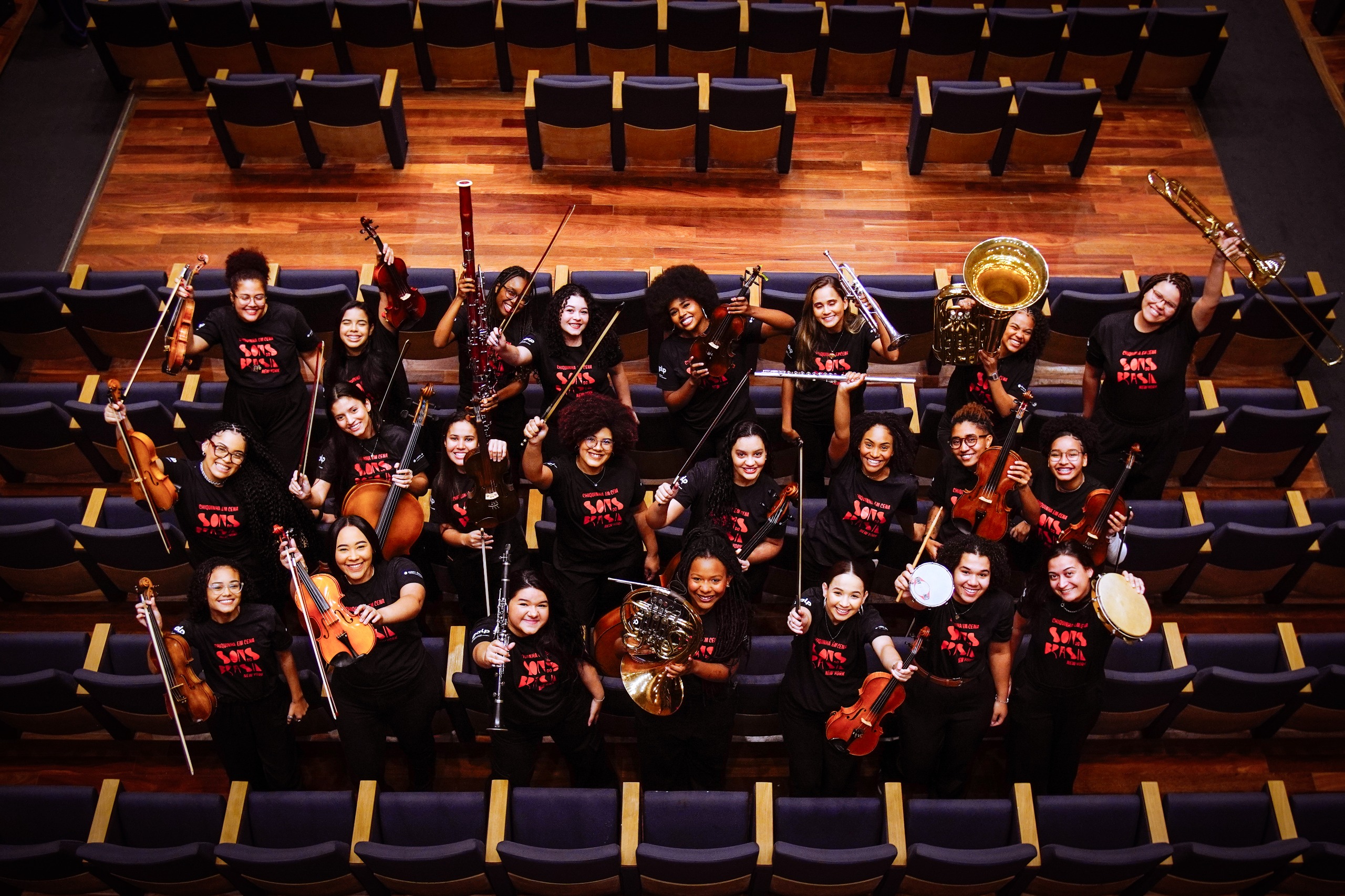
Diogo Pereira, Executive Director, Harmony Project Phoenix; Consultant, Instituto Brasileiro de Música e Educação (IBME)
The Brazilian Institute of Music and Education (IBME – Instituto Brasileiro de Música e Educação) was launched in 2011 with just 15 students. Today, it serves more than 4,000 young people and continues to grow. Among its many talented ensembles, one stands out: the Orquestra Sinfônica Juvenil Chiquinha Gonzaga, an all-female youth orchestra that celebrates the intersection of Brazilian classical and popular music.
Dubai’s NYO Is First UAE Orchestra to Perform at Carnegie Hall (Plus Some Bonus Music Resources)
In June, the National Youth Orchestra of Dubai performed at Carnegie Hall, the first orchestra from the United Arab Emirates to do so.
New Resources from Carnegie Hall
Carnegie Hall has some new online resources we think our readers will like. And, best of all, they’re free!


