September 2025


New Guiding Pillars Amplify Our Collective Voice
Elizabeth Moulthrop, Executive Director, El Sistema USA
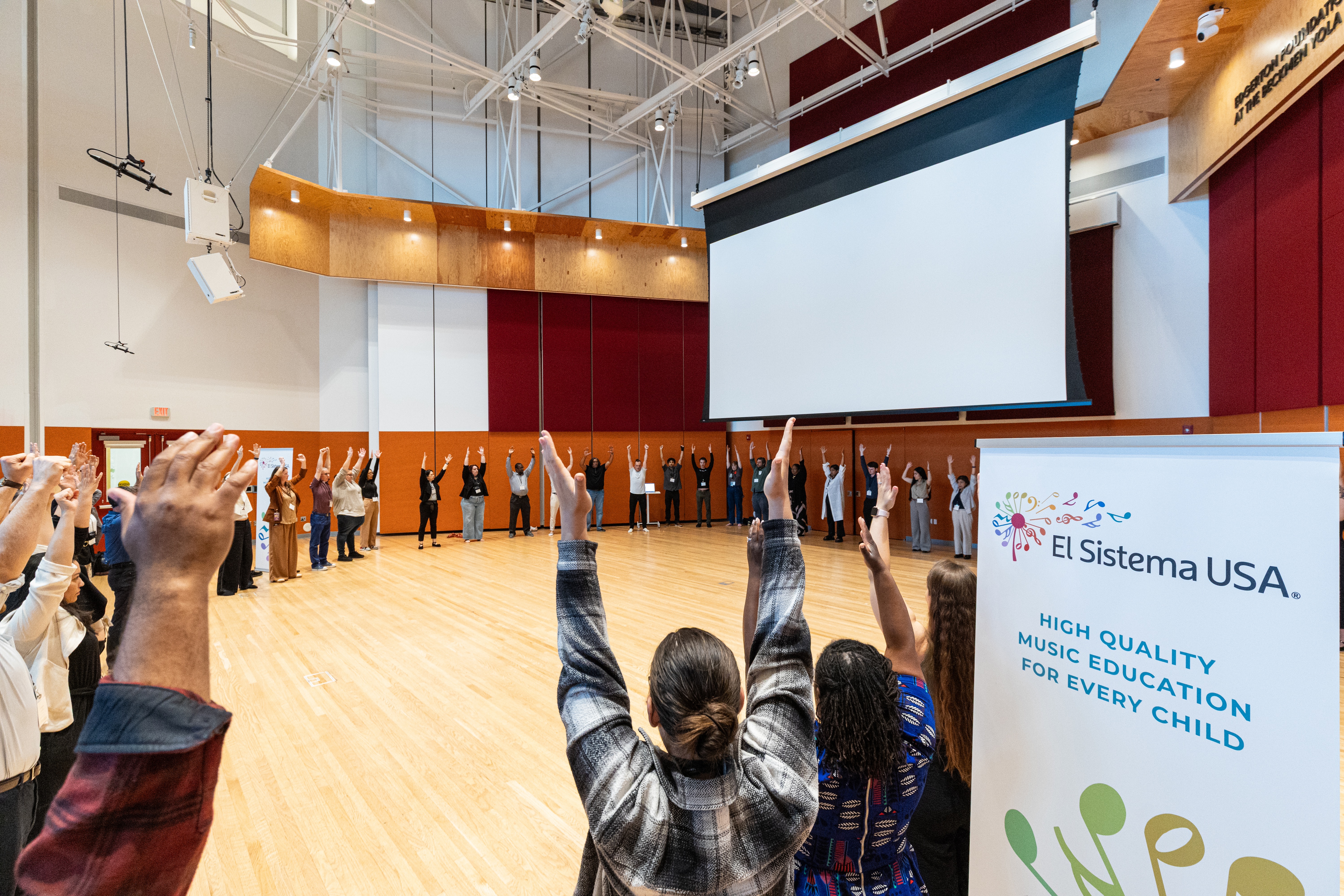
Nearly two decades ago, a handful of United States programs that were inspired by El Sistema in Venezuela opened their doors. Since then, El Sistema USA® has become a network of more than 150 organizations—the largest such network in the world. Our members represent a diverse array of music programs from dozens of states, as well as international programs in adjacent countries from Canada to Haiti. Given the diversity and breadth of our network, it’s reasonable to ask: What is the common thread between these programs? And why does this collective work matter? Watching and helping this coalition grow and evolve, we have been able to isolate a few distinct qualities that unite us and affirm the power of our collective voice.
EDITORIAL
A Space to Be: What One Classroom Taught Me about Art, Listening, and Inclusion
Giovanni Acquilino, 2025 Cohort Member, Global Leaders Institute
This was a Mus-e session at a public primary school in Genova, Italy, in a room filled with light, nervous energy and about 20 children in motion. Some moved eagerly. Some hung back. Some followed Olivia Giovannini, the teaching artist leading the session. Others wandered in their own rhythm. Throughout it all, something subtle was happening: no one was being excluded.
Teacher Learning through the Spark of Action Research
Francis Gagliardi, Program Director, Nucleo, London, England; member of first Firebird team at the Academy for Impact Through Music
How can I contribute to making something that’s already great even better?
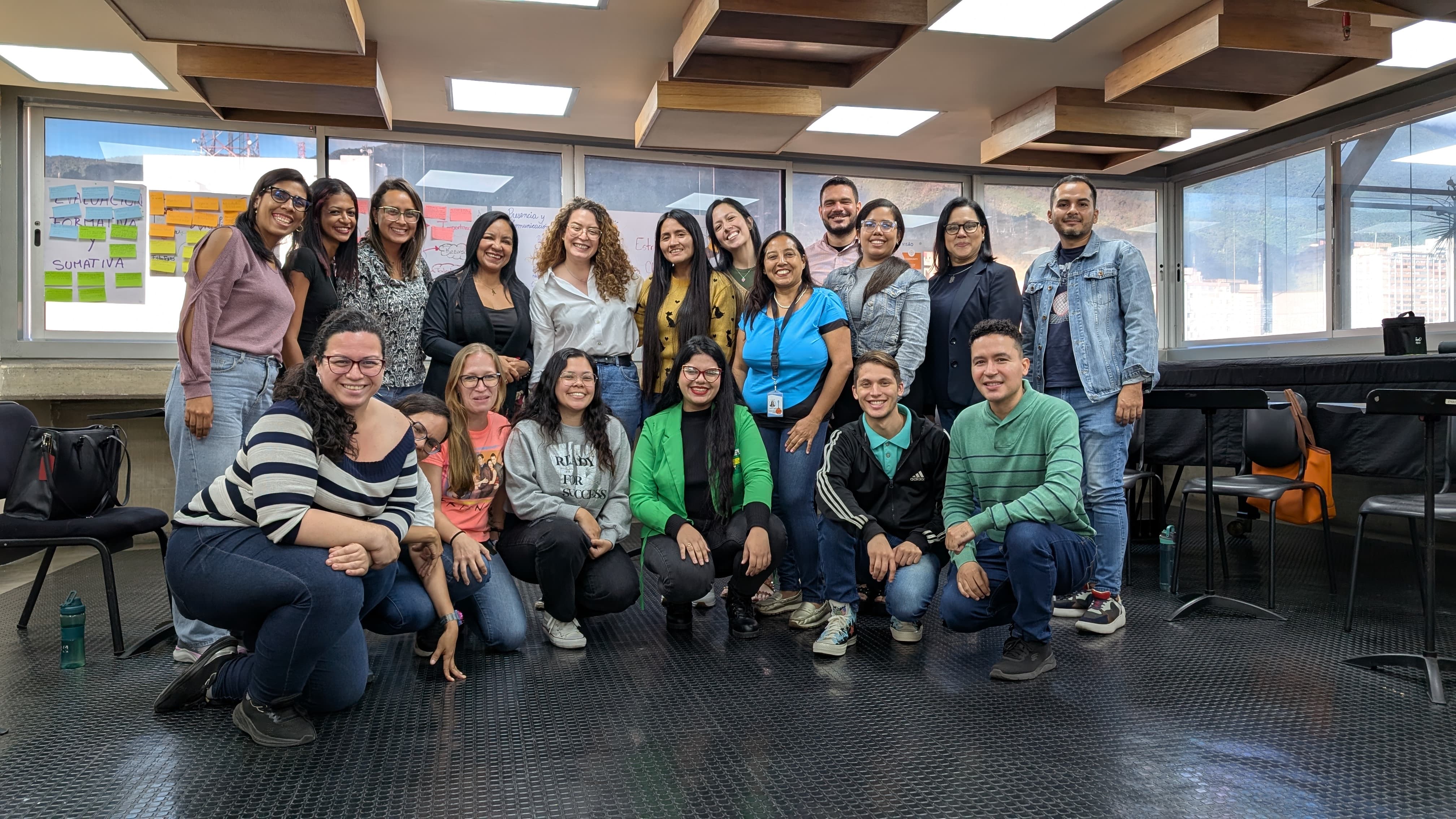
That was the question I asked myself when I took on the challenge of carrying out the first Academy for Impact Through Music (AIM) Chispa, in Caracas, Venezuela, in December 2024.
Can Young Children Learn to Identify Harmonic Progressions by Ear? Yes, They Can!
Dr. Eric Rasmussen, Chair, Early Childhood Music Department at Peabody Conservatory; educator, author, and researcher
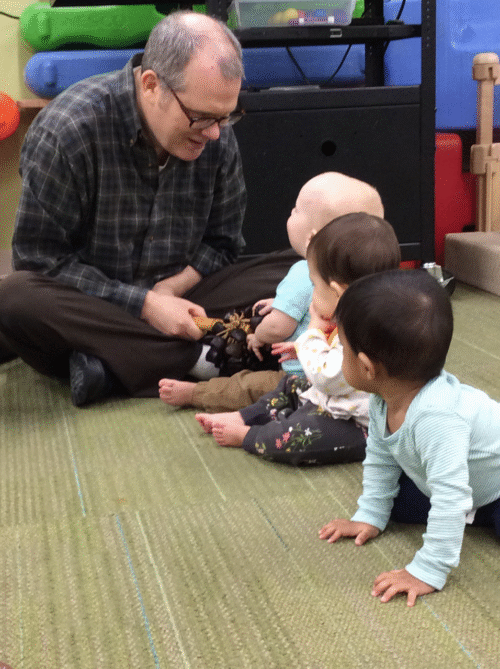
Unfortunately, many music teachers rely on a notation-first approach, teaching students to read music symbols before they have a strong foundation in listening, singing, and rhythmic chanting. Because we jumped the notation hurdle, often relying on math and puzzle-solving skills in addition to our propensity for learning music, we sometimes assume (incorrectly) that most children will have the same capacities.
The principles of MLT guided my teaching at OrchKids (the El Sistema-inspired program in Baltimore, MD, USA), and the results were extraordinary.
In Oregon, a More Neighborly Approach Brings Joy
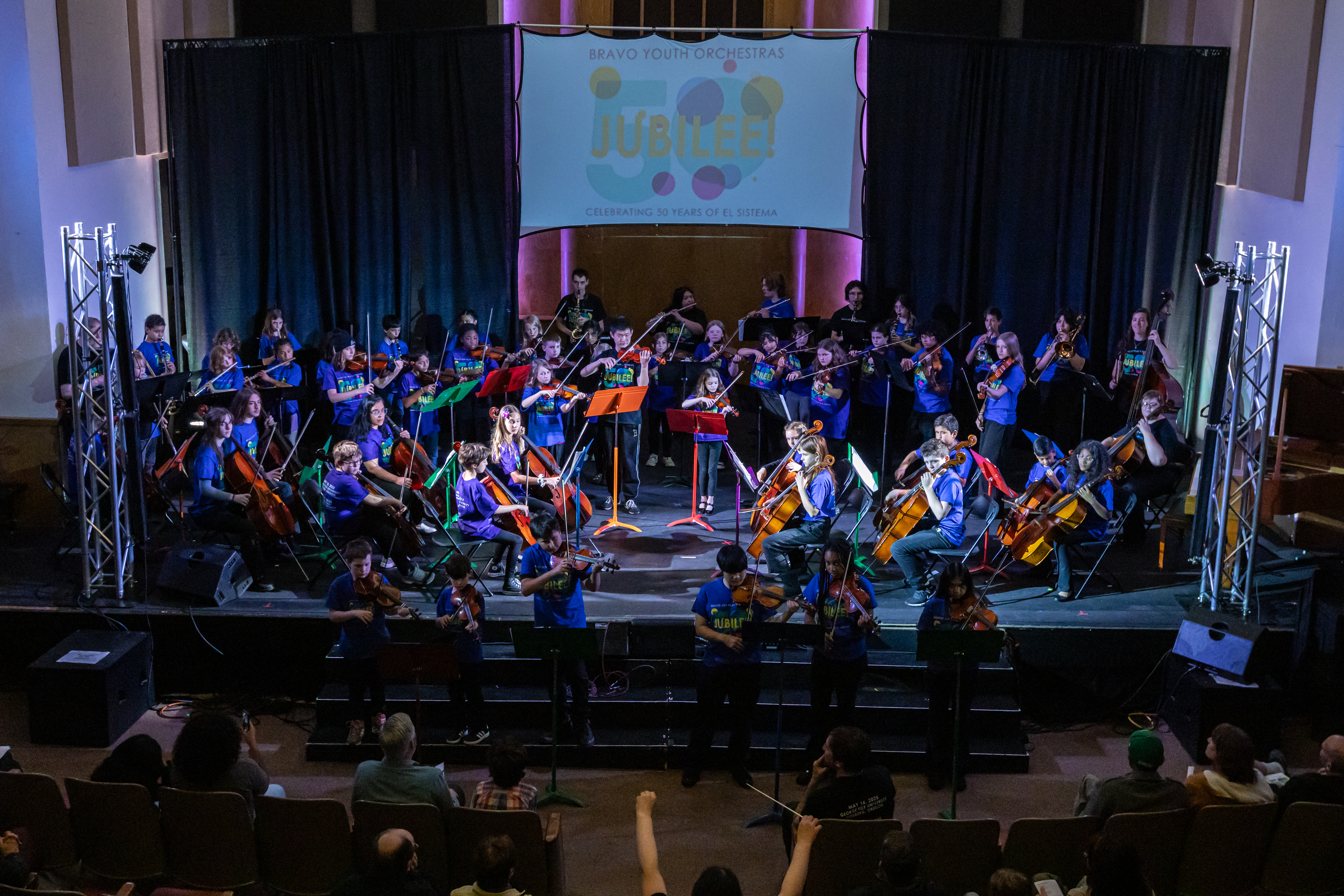
Neal Spinler, Executive Director, BRAVO Youth Orchestras
The majority of the population is in Portland, at the northern border, with most everybody else residing along the “I5 Corridor”—Interstate 5, a major north-south highway that runs from Portland to California. BRAVO serves a region at the very northern tip of Portland; JOY serves students in Yamhill County. North Portland is a diverse blue-collar area with shipyards, warehouses, and port terminals; Yamhill County is the heart of Oregon’s famed Willamette Valley, a region known best for its fabulous wineries. But while the county boasts fancy vineyards and tasting rooms, it is also filled with farms and the hardworking farmhands and families.
Just 46 miles apart, our landscapes could not be more different. And yet the work we do could not be more aligned.


