program sustainability



Re-birth: 18 Years of Music, Meaning, and Maturing
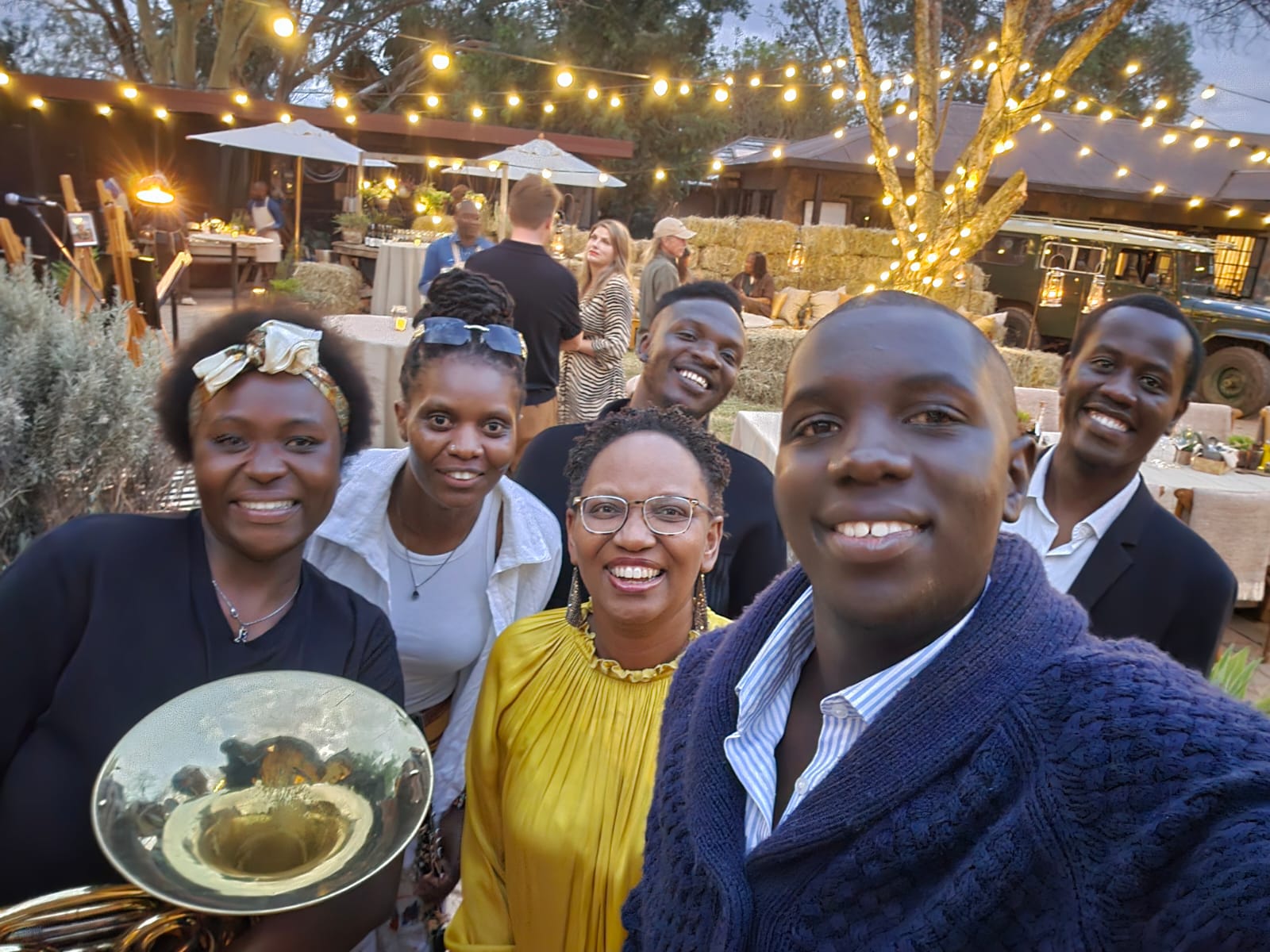
Elizabeth Njoroge, Founder and Executive Director, Art of Music Foundation
Many of the students we began with, back in 2006, are the first in their families to finish school, to attend university, and to build careers. The truly amazing part is that now, as young adults, their dream is not to escape. Their dream is to return. They come back to their communities—with purpose, compassion, and determination. More often than not, they come back to Ghetto Classics as teachers. Most of our current 42 teachers once sat where our students now sit. The learners have become leaders.
Which means, of course, that the program no longer “belongs” to me.
Measuring Your Program’s Results: A Practical Framework for Insight
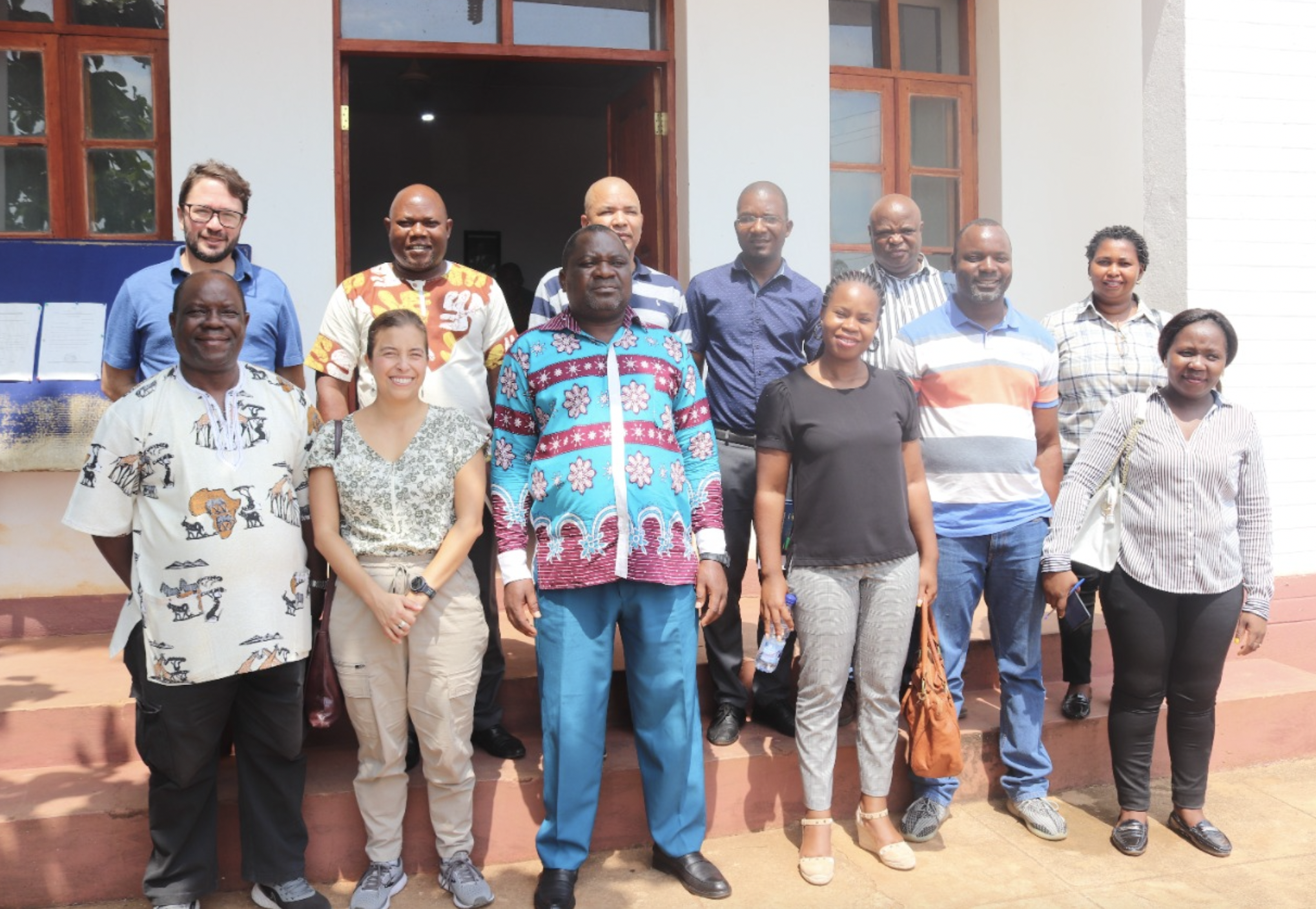
Graciela Briceno, Senior Education Advisor, USAID; Education Development Consultant; Music Teacher
Ask any director of a music for social impact program about the program’s mission and goals, and you will receive an impassioned response about helping children, teaching music, inspiring minds, saving lives, building community, and developing social-emotional skills. There is clarity in what we all aim to achieve, built on a vision of happy students and families, beautiful music coming from every corner of a school, and meaningful stories of positively impacting children’s lives. Our vision includes accolades from school leaders or even government officials and others who are inspired by this work.
But how do we know whether we’re actually achieving these goals?
EDITORIAL
Accelerating Our Actions
Camille Delaney-McNeil, Director, the YOLA/Beckmen YOLA Center at the Los Angeles Philharmonic, California, USA
As I pen this, I find myself looking through some of the session schedules of prominent convenings in our field over the course of the next several months. Many of these gatherings have their anchored purpose clarified and grounded—and, on paper, this is truly inspiring! However, it’s unfortunate to see that many of the topics are the same as those we discussed two, three, or four seasons ago. We continue to address the same problems, instead of new, compounded issues that we all must rally around, to course-correct.


