Music Pedagogy



A Tree Grows in Oaxaca
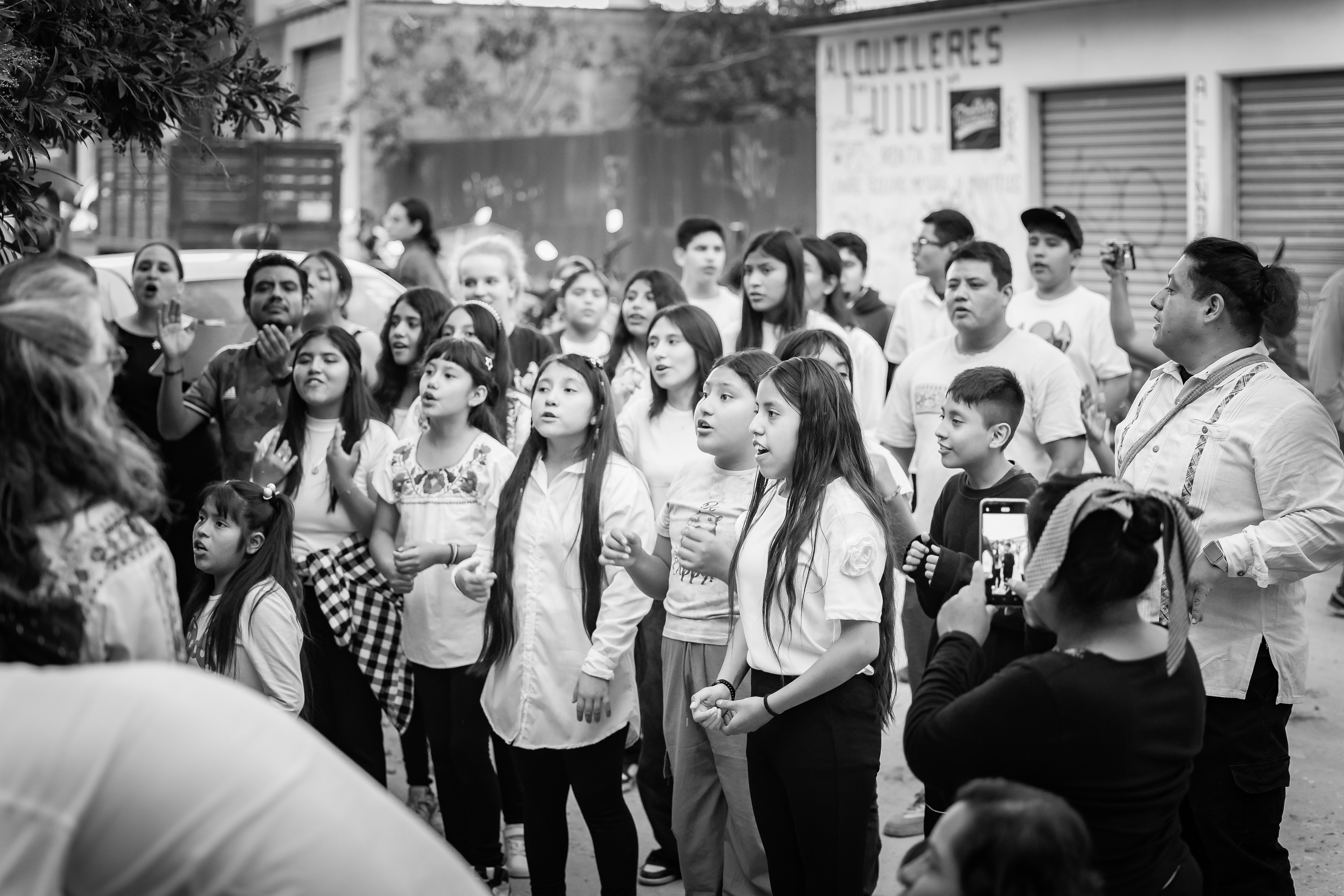
Paloma Udovic Ramos, Head of Firebird Fellowship, AIM
What is possible when you plant seeds?
That is the question the Academy for Impact through Music (AIM) team posed to parents after a week of working with children and teachers at Escuela Iniciación Musical de Santa Cecilia (EIMSC), a school one hour south of Oaxaca City, Mexico in Colonia Vicente Guerrero.
Suggested Reading: The Heart of Teacher-Student Relationship
The student-teacher relationship in classical music conservatories is unlike almost any other.
GUEST PERSPECTIVE
When Art and Music Create a Shared Listening Space
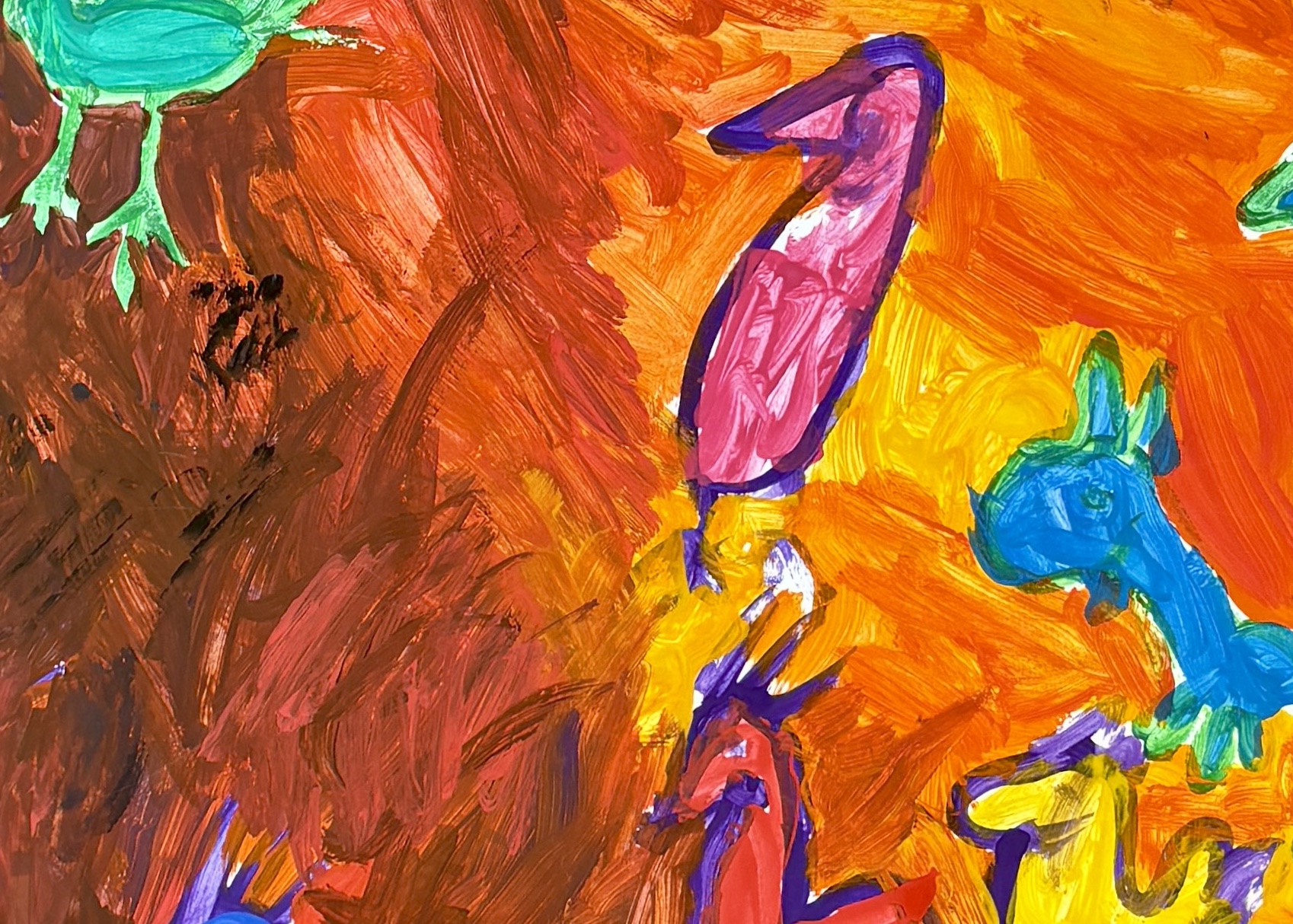
Giovanni Acquilino, 2025 Cohort Member, Global Leaders Institute
What does visual art have to do with listening?
It’s an unusual question—but one that’s well worth exploring, as I discovered recently when I attended Sguardi Paralleli (Parallel Glances) – Art Therapy and Autism: Art as Language, an exhibition held in Alassio, Italy and curated by art therapist Carla Paura.
The History of Music Education
Do you know the history of music education?
The NBYO Had Never Sent a Student to the Royal College of Music. Now They’re Sending Two.
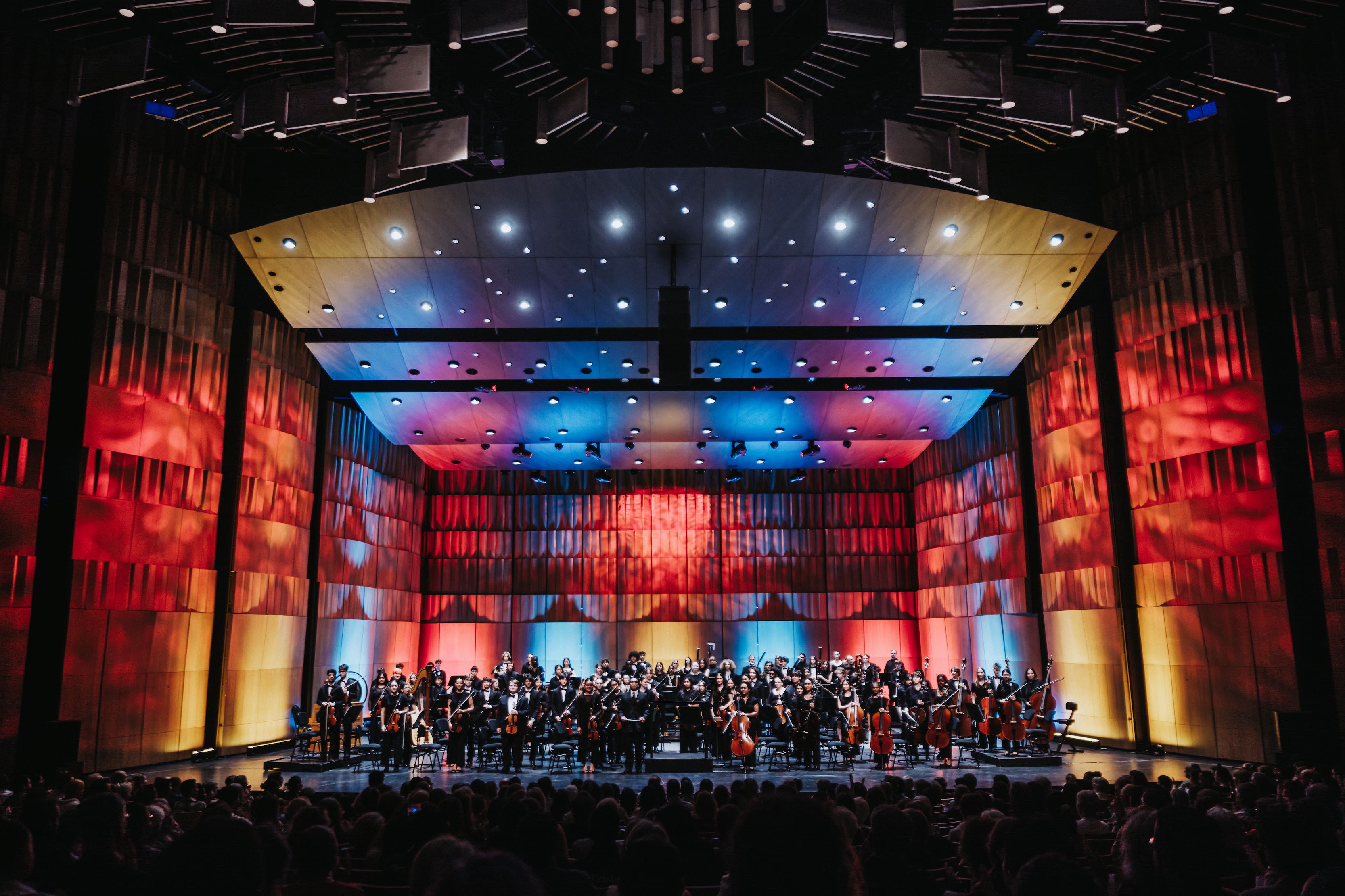
Patrick Scafidi, Executive Editor, The Ensemble
In its 60 years of existence, the New Brunswick Youth Orchestra (NBYO)—Canada’s first provincial orchestra—has celebrated many a milestone. This year, there’s a new kind of success to celebrate: two of its graduating seniors have been accepted into London’s Royal College of Music.
The Royal College has never accepted an NBYO player before, let alone two. This is relatively rare for programs that value social-emotional outcomes as much or more than musical ones. But for the students involved, those social-emotional outcomes played a critical role in their matriculation, clarifying the value of a movement that builds arts-and-community pipelines traced back to a player’s earliest years.
From Spark to Flame: A Glance at Fire Up! 2025
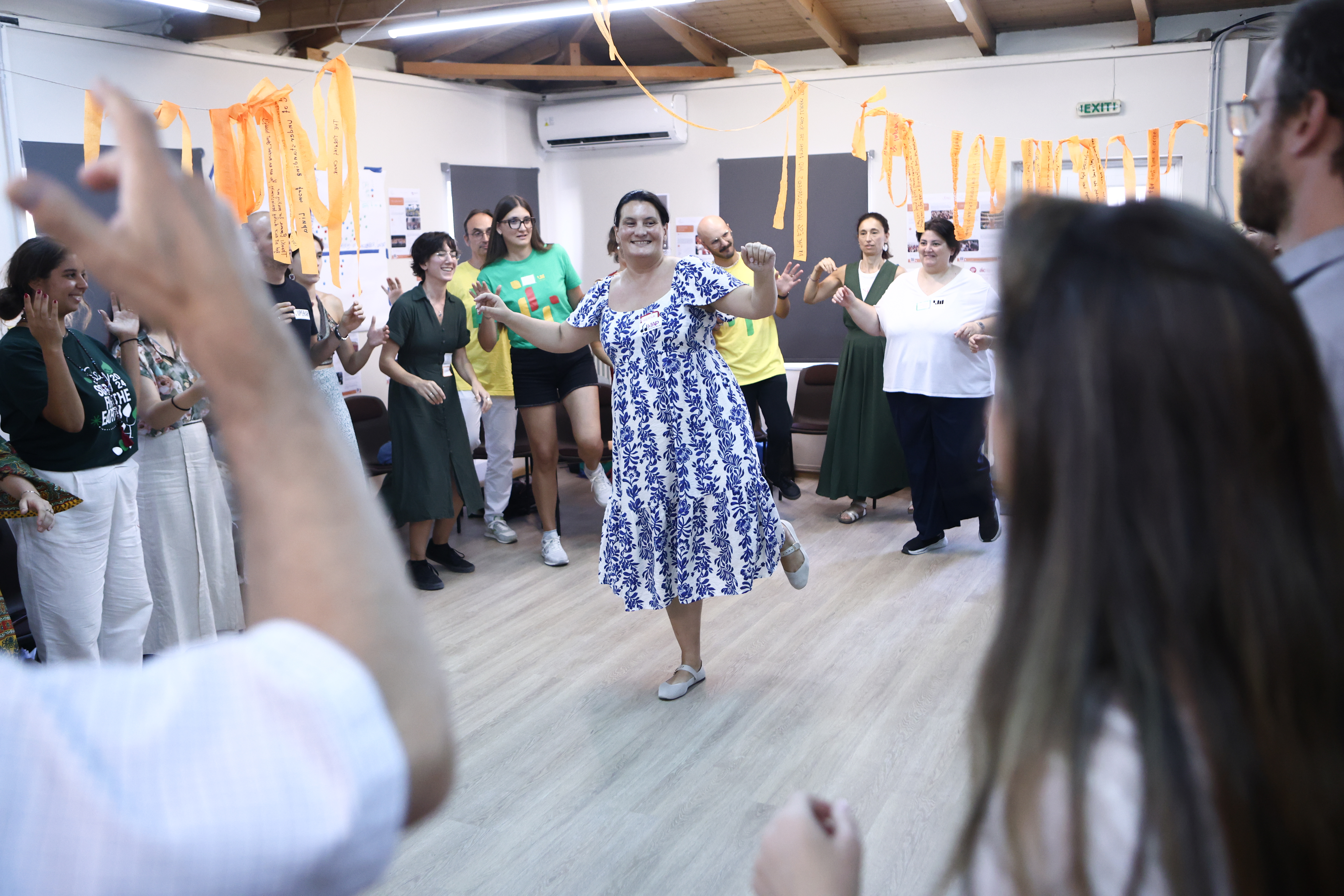
Elisabetta Lapadula, Communications Manager, SONG – Sistema Lombardia
Imagine choosing—on purpose—to stop. To give yourself a moment of attention and ask, without judgment, a simple question: “Why do I do this work?” It’s a small exercise of meditation and self-awareness that we rarely find time for in our noisy daily routine. And yet, in that brief pause, something can appear: a spark that feeds the question, gives it space, and makes it louder.
For me, Fire Up! 2025 in Athens—a four-day teaching artist residency led by the Academy for Impact through Music (AIM)—was that spark.
Can Young Children Learn to Identify Harmonic Progressions by Ear? Yes, They Can!
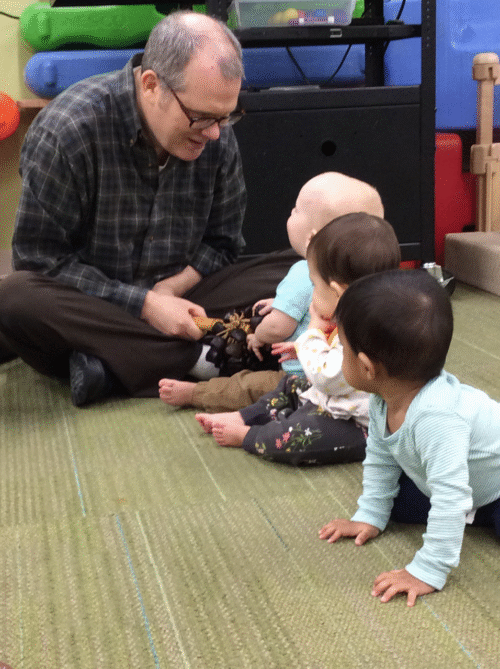
Dr. Eric Rasmussen, Chair, Early Childhood Music Department at Peabody Conservatory; educator, author, and researcher
Unfortunately, many music teachers rely on a notation-first approach, teaching students to read music symbols before they have a strong foundation in listening, singing, and rhythmic chanting. Because we jumped the notation hurdle, often relying on math and puzzle-solving skills in addition to our propensity for learning music, we sometimes assume (incorrectly) that most children will have the same capacities.
The principles of MLT guided my teaching at OrchKids (the El Sistema-inspired program in Baltimore, MD, USA), and the results were extraordinary.
In Chicago, One Piece of Music Brings a City Together
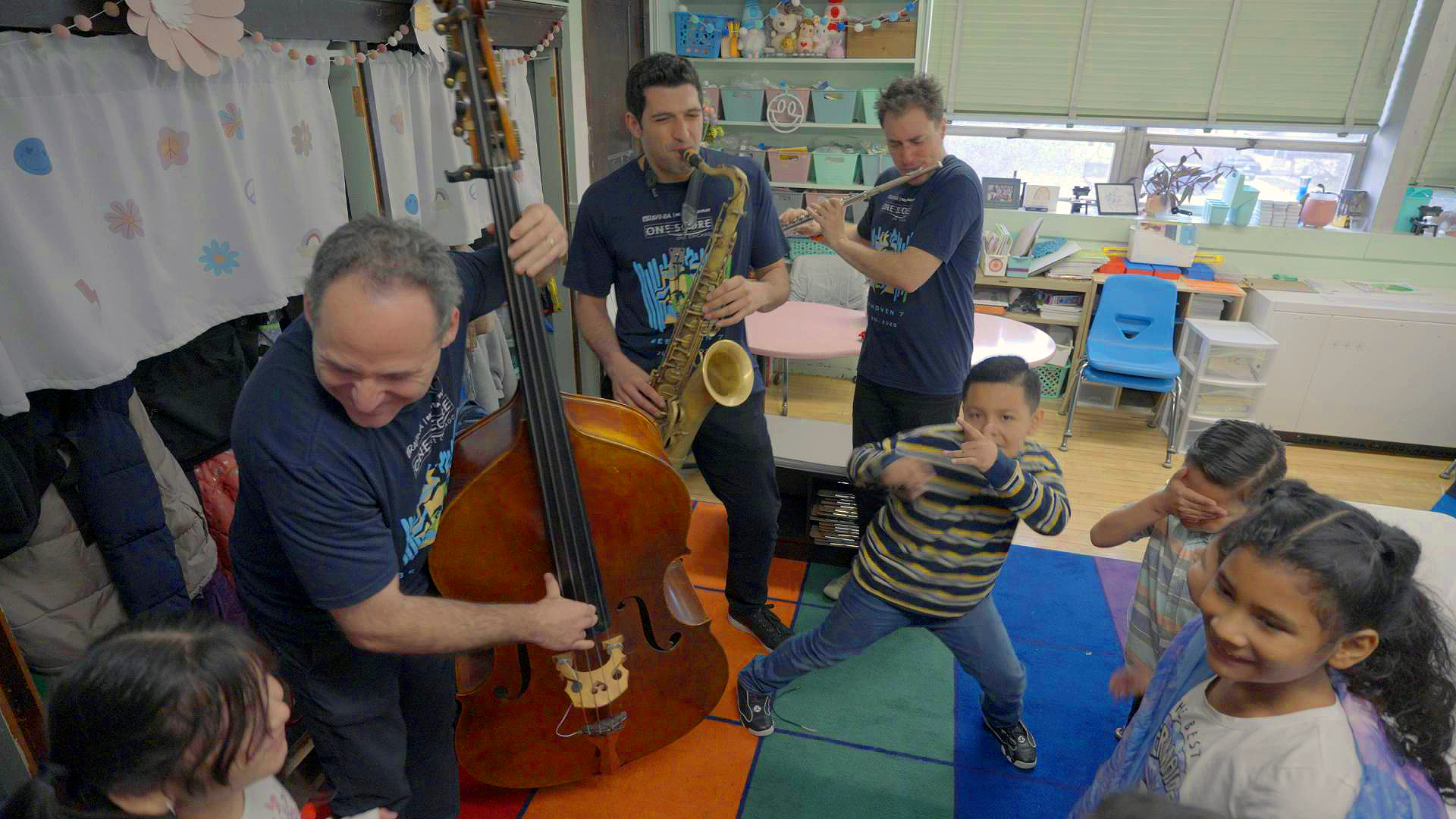
Christine Taylor Conda, Executive Director of Education & Community Engagement, Ravinia Festival
During the two magical years I spent in Jamaica as a child, my aunt would visit our house every Thursday evening after work. I remember our family spending dinnertime on orange pleather cushions, listening to broadcaster Leonie Forbes recite poetry on the radio as classical music played in the background. That dinner table is where I first fell in love with Beethoven’s 7th Symphony, and my family still talks about those Thursday nights we spent together.
Now, as Ravinia searches for inventive ways to reinvigorate interest in great musical works, those Thursday evenings come to mind.
Now, as Ravinia searches for inventive ways to reinvigorate interest in great musical works, those Thursday evenings come to mind.
In Harmony Liverpool and the Till Approach: A New Perspective on String Pedagogy

Alex Dunn, Deputy Artistic Director, In Harmony Liverpool, Royal Liverpool Philharmonic Orchestra, UK
Ten years ago, violinist Sophie Till was in Scotland working with players from the Scottish Chamber Orchestra and the Royal Scottish National Orchestra. I was there too, attending her sessions and participating in a lesson. When I returned to In Harmony Liverpool, I did so feeling that Sophie’s work would soon change the way we taught our young string players.


