Music and Belonging


In Chicago, One Piece of Music Brings a City Together
Christine Taylor Conda, Executive Director of Education & Community Engagement, Ravinia Festival
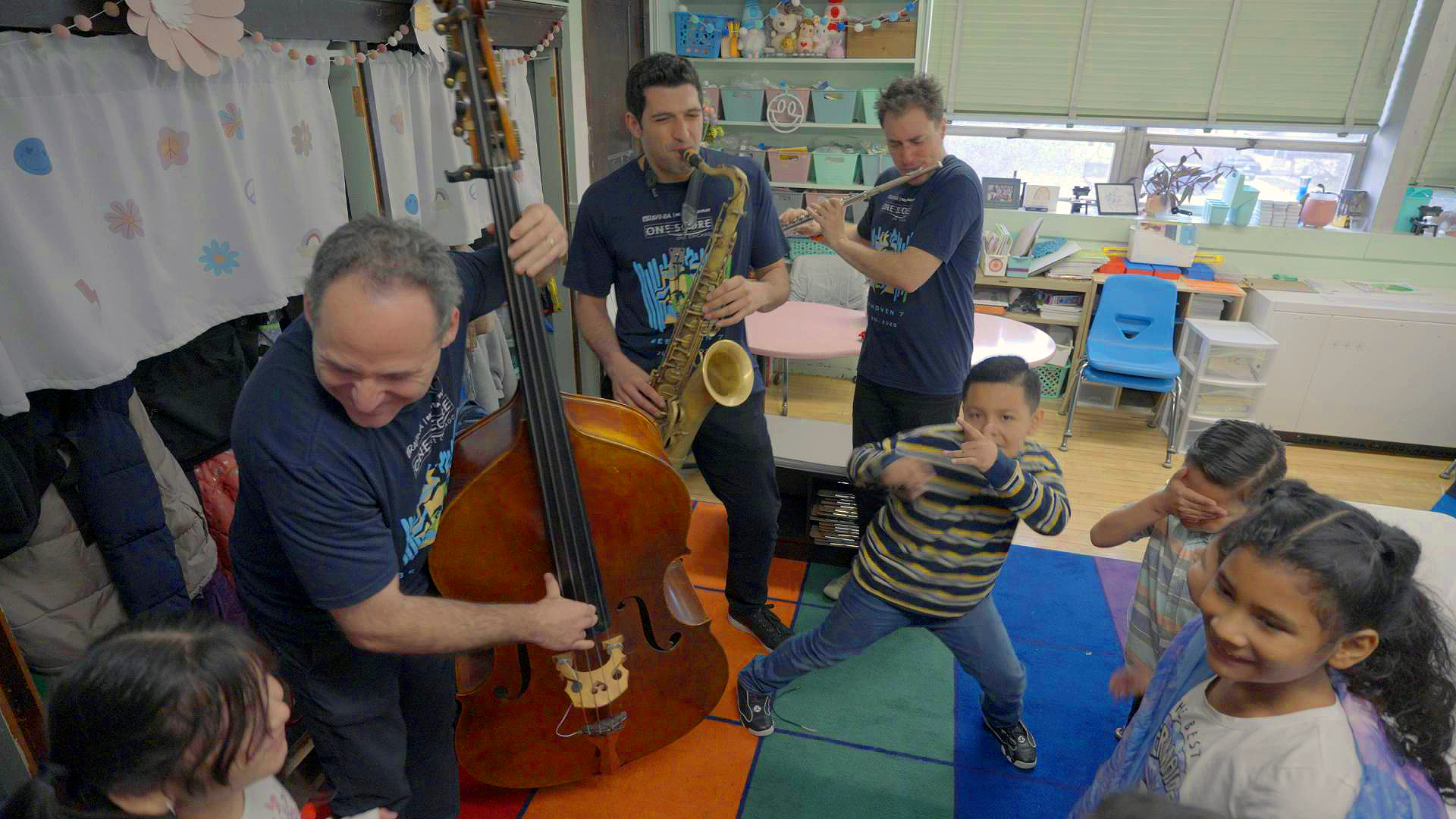
During the two magical years I spent in Jamaica as a child, my aunt would visit our house every Thursday evening after work. I remember our family spending dinnertime on orange pleather cushions, listening to broadcaster Leonie Forbes recite poetry on the radio as classical music played in the background. That dinner table is where I first fell in love with Beethoven’s 7th Symphony, and my family still talks about those Thursday nights we spent together.
Now, as Ravinia searches for inventive ways to reinvigorate interest in great musical works, those Thursday evenings come to mind.
Now, as Ravinia searches for inventive ways to reinvigorate interest in great musical works, those Thursday evenings come to mind.
EDITORIAL
Forty Years of Radical Inclusion: What We Can Learn from Lavender Light

Eric Williamson, Artistic Director, Lavender Light Choir; Adjunct Professor, New York University Steinhart School; General Music Teacher, P.S. 32 in Brooklyn, NY, USA
When you hear the phrase “social change through music,” what comes to mind? For many in our field, it means ensembles of student musicians learning to play and sing together.
Sometimes, though, it can mean people of all ages coming together and forging new communities of belonging through music. That’s the nature of my organization: Lavender Light, in New York City.
Rediscovering Joy at Superar Hungary

Judit Morvay, Founder/Director, Superar Hungary
When I was growing up in Budapest, Hungary, I had the privilege of learning to play music through the pedagogy of Zoltan Kodály, the famous 20th century Hungarian composer, ethnomusicologist, music educator, linguist, and philosopher.
Thanks to Kodály, our small country has a well-built school music system, which allows students to learn music theory from a young age and to experience active music-making.


