Lukas Pairon


Suggested Reading: Music Reshapes Young Lives in Africa
The Art of Positive Fatalism – Lessons from Kinshasa is a new book by Lukas Pairon, the founder of the international research organization SIMM (Social Impact of Making Music).
EDITORIAL
Navigating Constraint with Dignity: Lessons from Kinshasa’s “Positive Fatalism”
Lukas Pairon, Professor and Founder of Chair Jonet, University of Ghent, Belgium; Founder of the scholarly network SIMM; Founder of the Music Fund philanthropy; Co-founder of the contemporary music ensemble Ictus.
What can we learn from people who live in one of the most constrained urban environments in the world—and still find ways to make life possible?
SIMM Invites Proposals for Fall Events
SIMM’s (Social Impact of Music Making) April 15 submission deadline is fast approaching for their two events this fall.
SIMM: An International Research Platform for Music’s Role in Social and Community Work
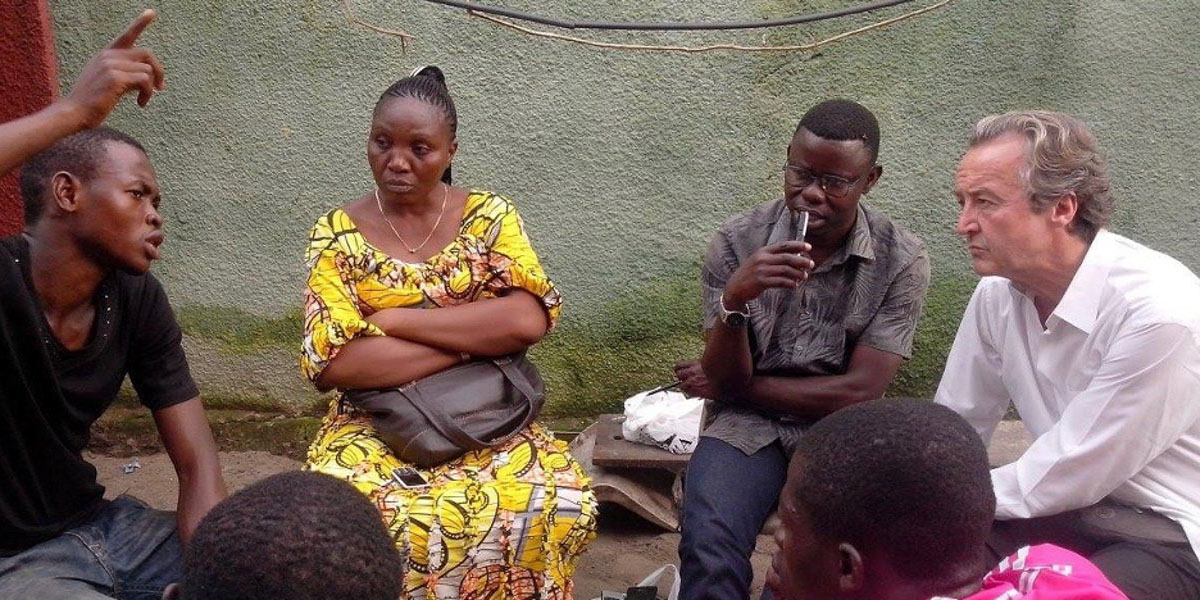
Lukas Pairon, Founding Director, SIMM
We came to understand that part of the explanation for the relative lack of research could be found in exaggerated rhetoric and redemptionist discourse about the power of music. In addition, many people seemed to think it was simply not necessary to do research on something that is already considered obvious. (My colleagues and I sometimes encountered such reactions in relation to our own scholarly work.) Fortunately, this has started to change recently, and more research projects are now being undertaken in this field.
Positive Fatalism and Social Music Projects in Kinshasa, DR Congo
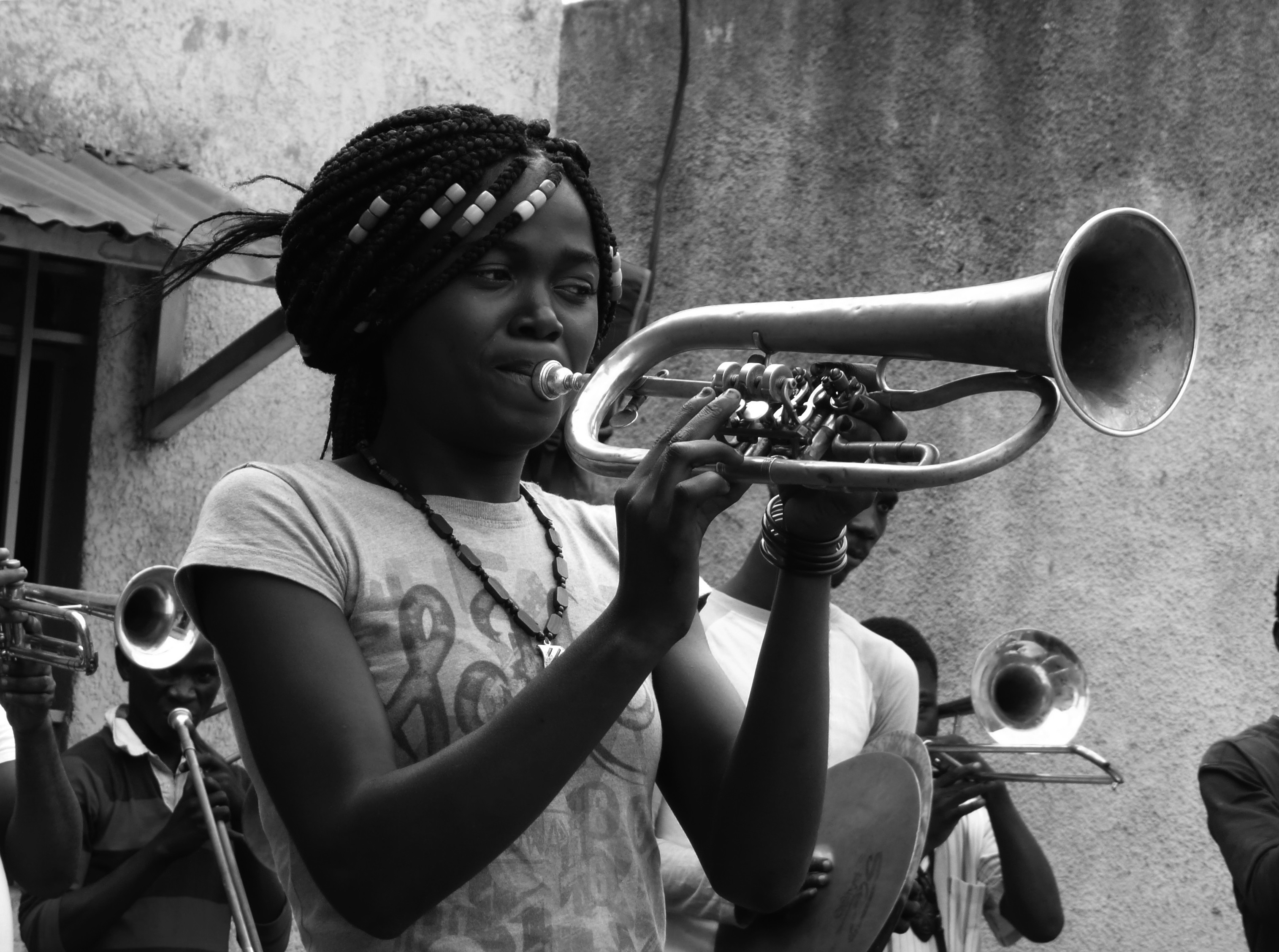
Lukas Pairon, Founder of Music Fund; Founder/Director of SIMM: Social Impact of Making Music
In Kinshasa, the majority of the population, which is close to 10 million, subsists on less than 2 USD a day—and this is in a place where life, at best, is expensive. Many people live in excruciating poverty. They exist in survival mode. Disease, hunger, and death are omnipresent. There is little prospect of improvement; on the contrary, the standard of living appears to be worsening for millions of people in Kinshasa. On top of the struggle to survive, they must also reckon with politicians, police, and soldiers, who may harass or rob them, or worse.


