February 2026


EDITORIAL
Musical Benchmarks Build Equity
Adam Karelin-Anderson, Executive and Artistic Director, Riverside Arts Academy
Over the past decade, our field has worked tirelessly to ensure that music education is holistic, addresses socio-emotional learning, and is culturally relevant to our students. These are incredibly important objectives that will help us ensure that well-adjusted, diverse people shape the future of our society and music industry.
But to diversify that industry, they have to be able to enter it.
The Importance of Free Play in Music Education
Dr. Richard Marsella, Executive Director, Community Music Schools of Toronto
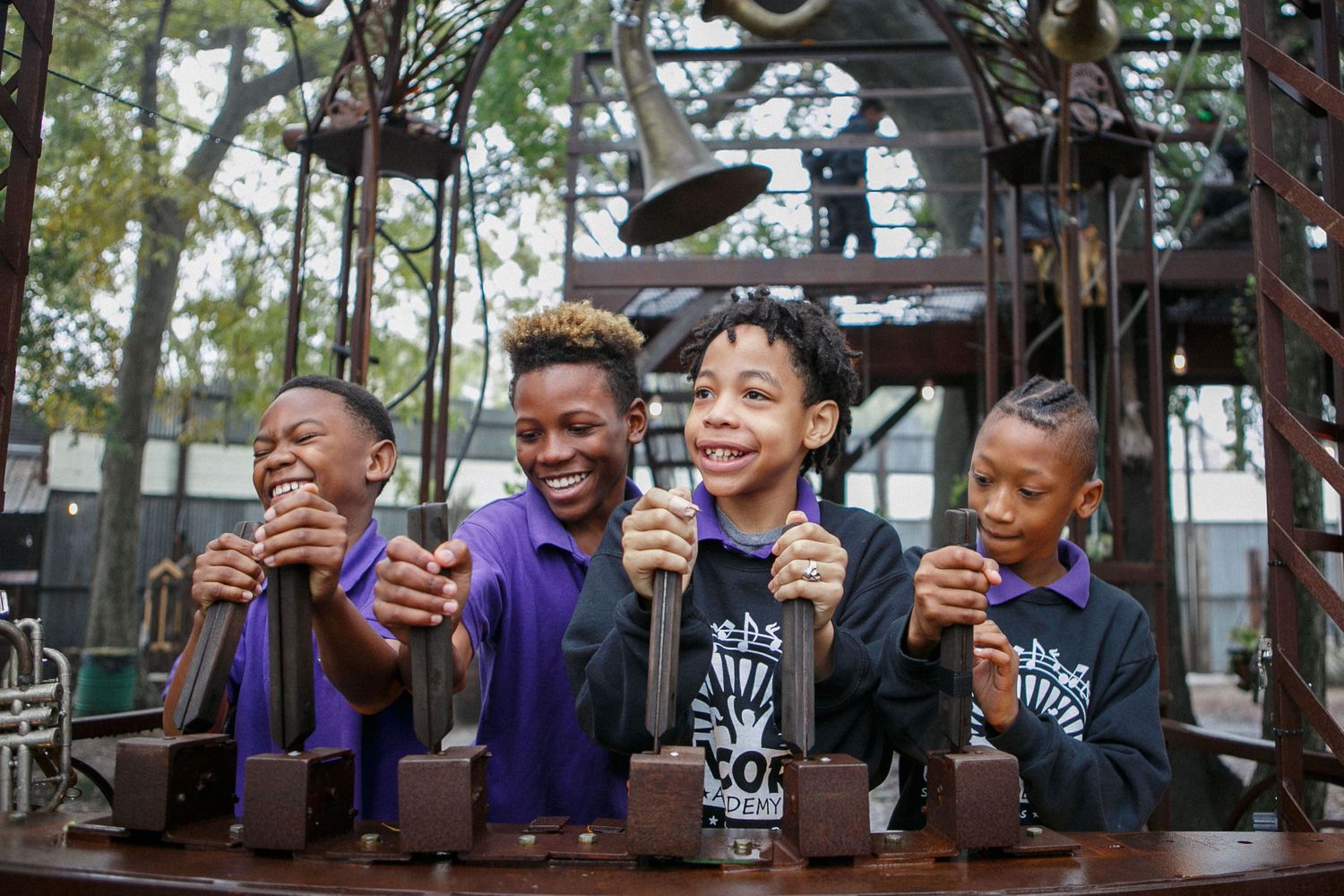
In my doctoral work, I did an instrumental case study of the Music Box Village in New Orleans. This alternative music space wears many hats. It functions as a music venue, learning space, playground, and much more. It includes interactive art installation and instruments made from salvaged materials that form a kind of sonic playground. It’s also widely welcoming: when I was observing grade-four children playing in the space, I noticed that multiple intelligences were accepted and fostered.
In Jerusalem, a Space for Healing
Micah Hendler, Founder & Artistic Director, The Jerusalem Youth Chorus
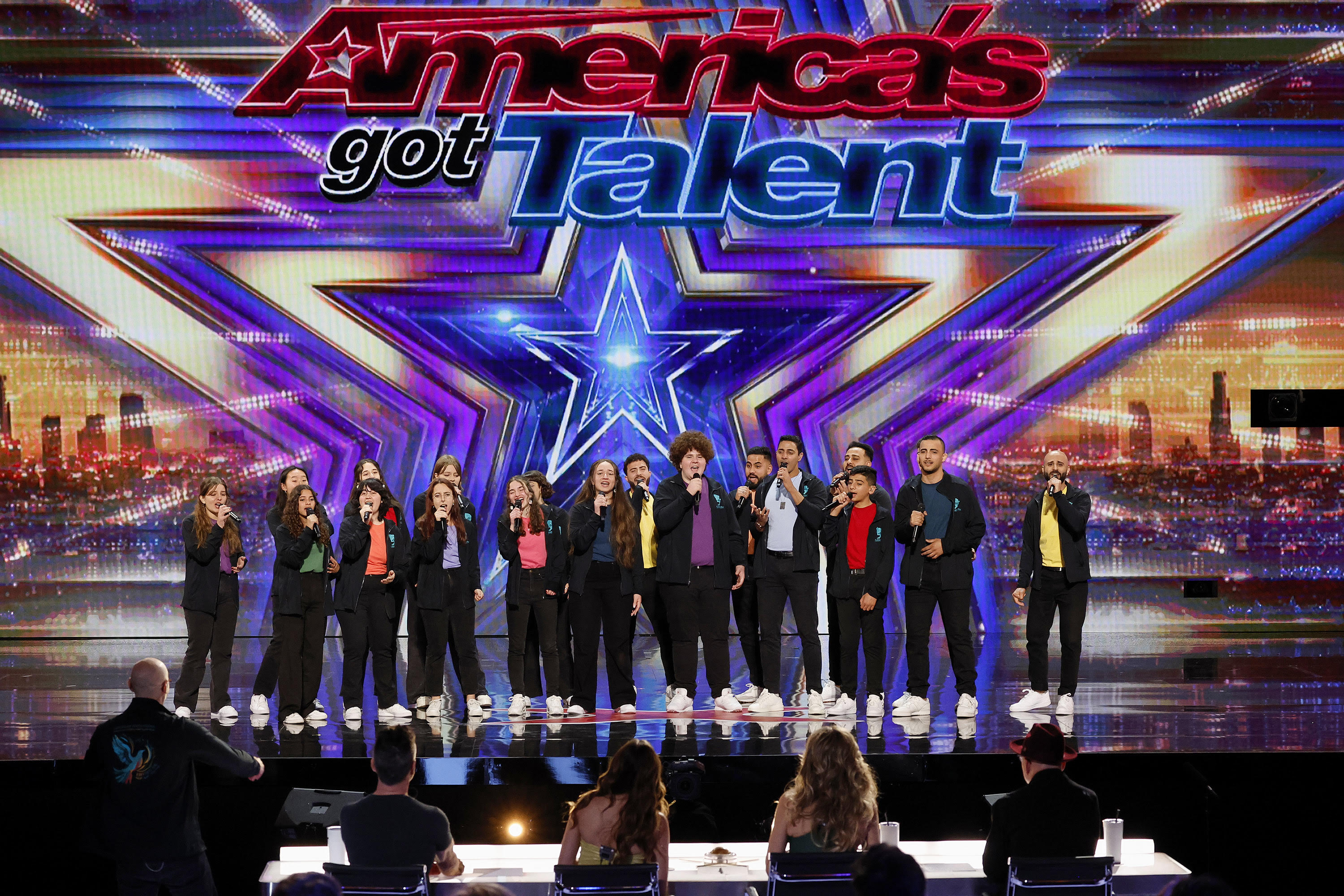
The Jerusalem Youth Chorus (JYC) is a music and dialogue program for Israeli and Palestinian teenagers in Jerusalem. We bring young people from East and West Jerusalem into the same room each week to sing together, practice structured dialogue, and build the leadership skills needed to navigate a deeply unequal and polarized reality.
If you work in music for social change, none of that is conceptually new—“music builds connection” is something we all believe. What has surprised us over time is how much the container matters.
An International Exchange Program Shifts Power Through Music
Siri Syverud Thorsen, Project Manager for Musicians and Organizers Volunteer Exchange (MOVE) at Jeunesses Musicales Norway
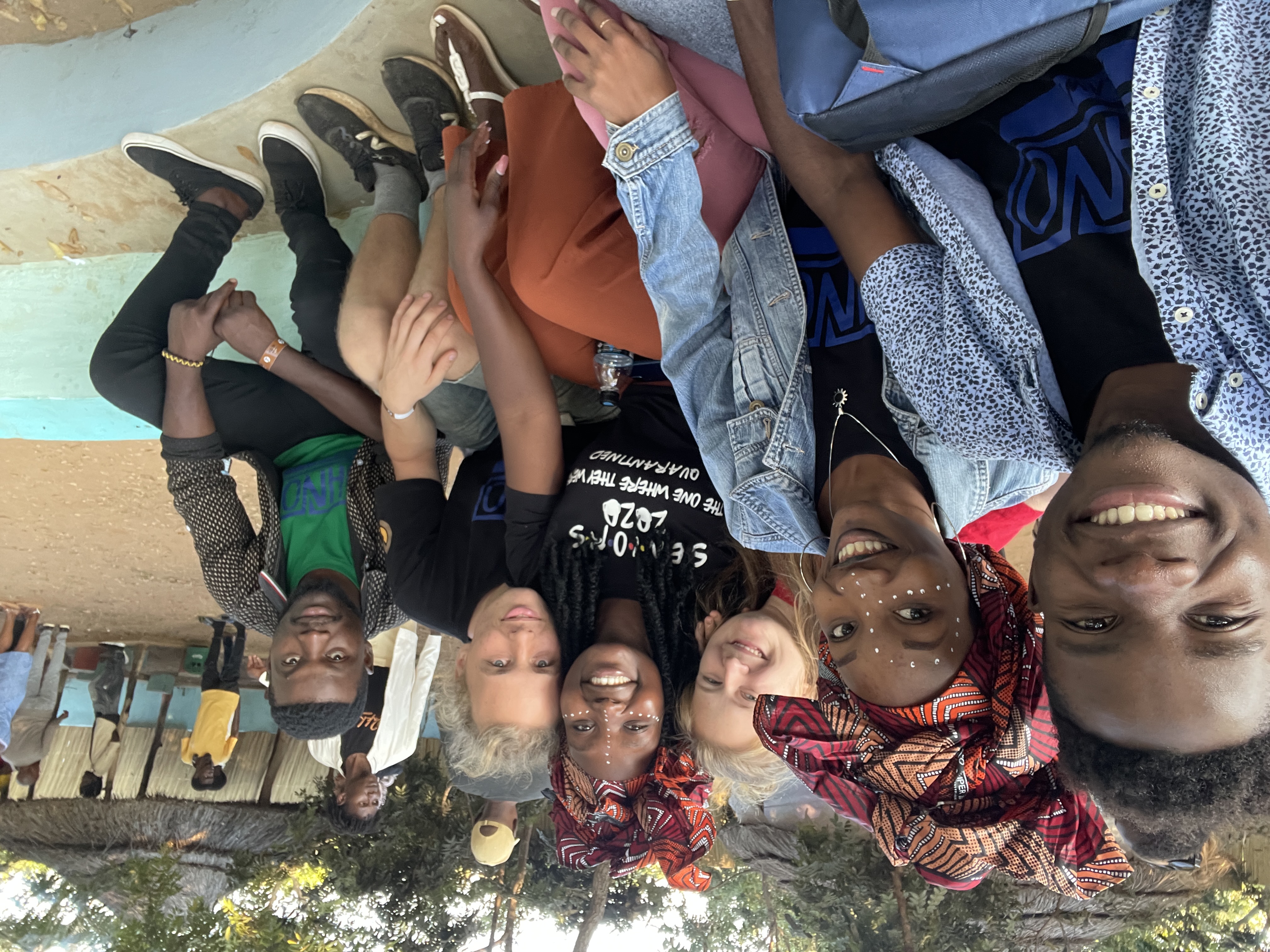
While our daily lives are rattled by increasing global instability, polarization, and apathy, culture workers working toward youth empowerment and social change share many of the same questions. How do we empower young people without transferring unreasonable responsibility? How do we equip and motivate while acknowledging legitimate, sometimes harsh realities? How do we facilitate interconnectedness, in times of global dehumanization?
GUEST PERSPECTIVE
A Foot in Both Worlds: Mentorship and Maturation at Sistema Ravinia
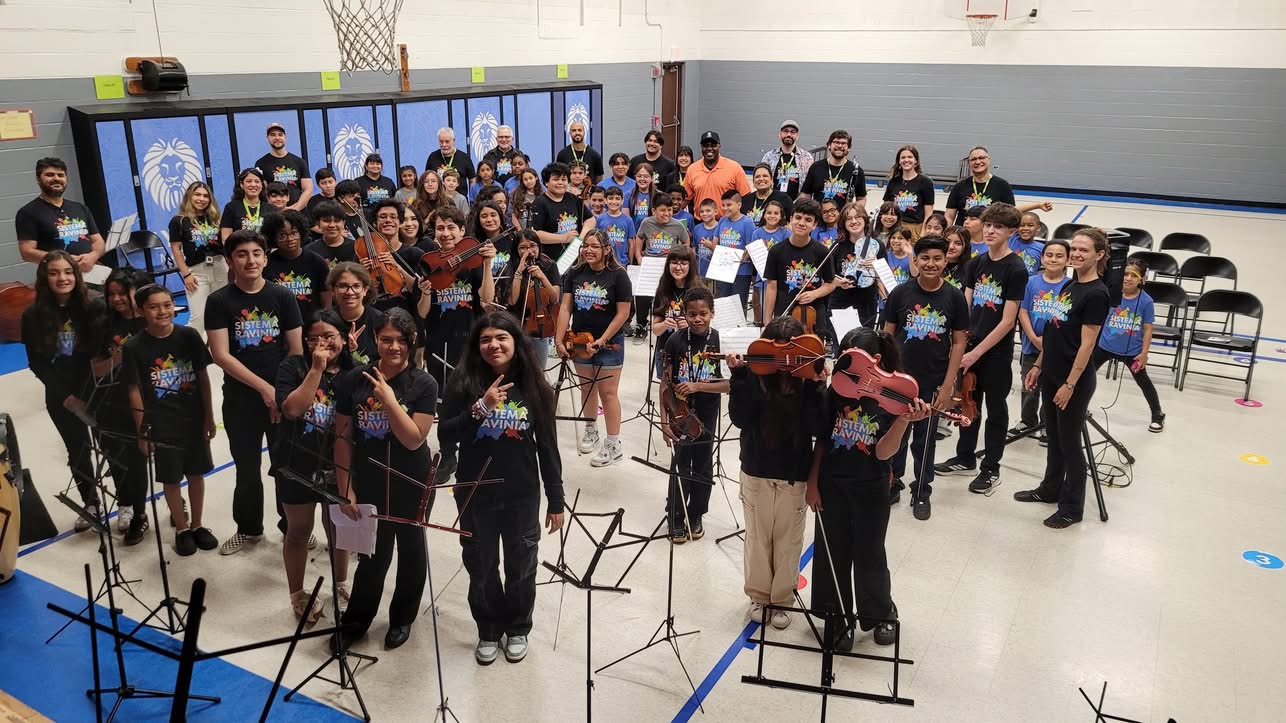
Guadalupe Ramirez, Sistema Ravinia Alumna and Intern
As Sistema Ravinia prepared for in-person learning after the pandemic lockdowns, I attended a Zoom meeting with other incoming high school freshmen, most of whom were good friends. A manager asked us, “This is the first time we’ve had high school students in our program. What would you guys like to see happen?”


