belonging


Can a Generation Have a Melody?
Is there such a thing as a “Generation Alpha” melody?
EDITORIAL
When an Instrument Case Means ‘Don’t Shoot’: Symbolic Recognition in Medellín
Nathaly Ossa Alzate, strategic arts management and social impact consultant
In Nancy Fraser’s framework, social justice requires both redistribution (economic resources) and recognition (cultural and symbolic status). Symbolic recognition is the validation of one’s identity, dignity, and self-worth within a broader socio-cultural context. And in 1990s Medellín—our time—young people faced material deprivation and severe symbolic misrecognition, viewed solely through the lens of urban violence, stigma, and invisibility.
EDITORIAL
A Question We Could Not Answer
Faly Ranaivoson, Founder, Choir Orchestra Loharano (COL)
One of our longest-standing members asked a question at a meeting this year that I still cannot answer well. He had rehearsed four or five pieces for our concert last December. On the afternoon itself, he participated in playing only one of them. He wanted to know how that had come about. He put his question to everyone in the room.
Creating a Community of Belonging at OrKidstra
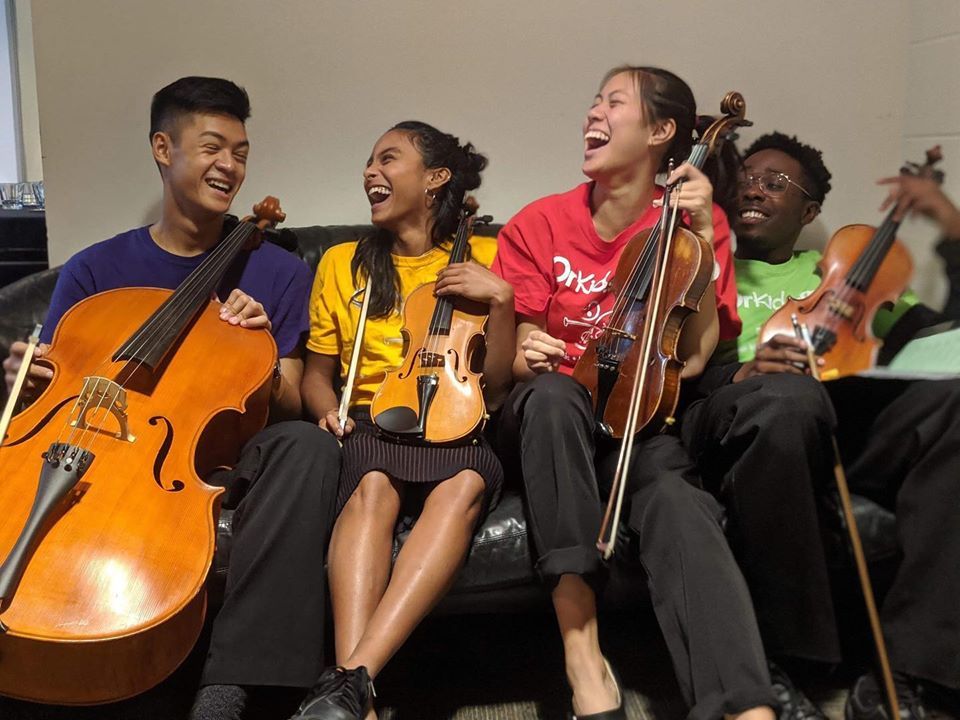
Rebecca Russell, Former Director of Development & Communications, Carrie Lauzon, Executive Managing Director, and Tina Fedeski, Co-founder and Artistic Managing Director, OrKidstra
When you walk down the halls of OrKidstra, you’ll hear the universal language of music around every corner. Laughter as the kids rush to the snack table during their break. And you’ll hear something distinctly Canadian: the beautiful sounds of a community composed of 62 different cultural and linguistic backgrounds. A community of belonging.
Through Songwriting, Colombian Communities Resolve Conflict and Make Their Voices Heard
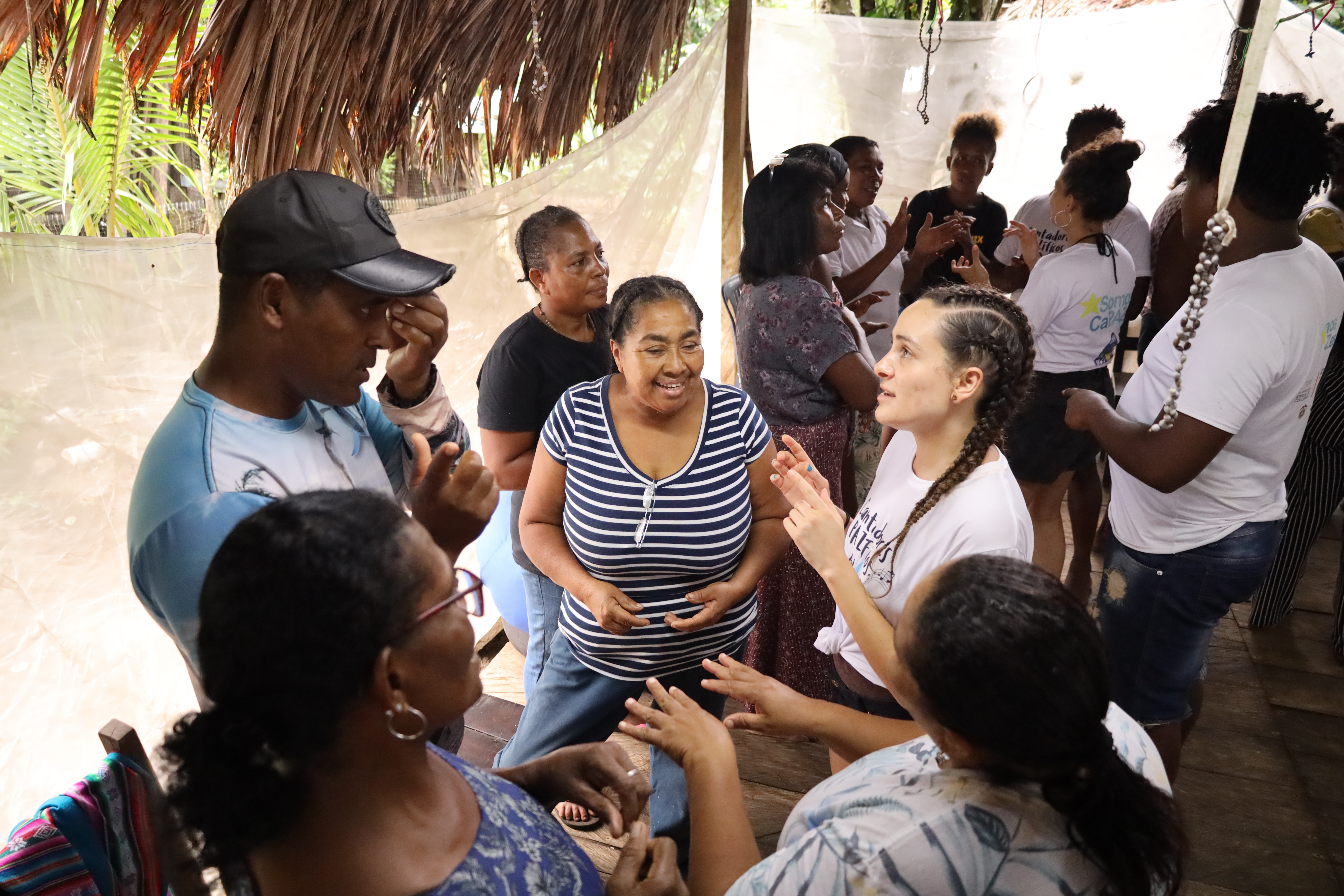
Ana Uribe Law, musicologist and violinist; 2023 Alumna, Global Leaders Institute
Ask any Bogotano about their perception of Colombia’s Chocó Region, and you’ll likely hear that it is a dangerous and remote place, visited primarily for whale-watching. These inter-regional biases are not uncommon—decades of armed conflict have disrupted networks of community and social cohesion, fragmenting them and threatening the practices that sustain communal life. And though a shared sense of Colombian identity exists, each of the country’s regions maintains a distinct cultural character that is often rooted in music.
Before traveling to Chocó, my perception of Colombia’s outer territories was similarly close-minded.
From Accommodation to Co-Creation: How Students Continue to Transform Our Approach to Adaptive Music Education

Erin Parkes, Founder/Executive Director, and Lyanne Fortin, Communications Manager, Lotus Centre for Special Music Education
When Lotus Centre for Special Music Education opened its doors in Ottawa, Canada in 2012, we thought our mission was clear: provide access to high-quality music instruction for students with exceptionalities and disabilities who were being left out of traditional lessons. What we didn’t yet realize was that our students were about to become our greatest teachers, shifting our organization from a provider of services to a learning community shaped directly by their needs and strengths.
New Issue from Music & Arts in Action
Music & Arts in Action has released their latest online issue, “Music Education Among Refugee and Migrant Youths: Sharing, Belonging, Including.”
Using Circles to Build Community and Connection in CYD Spaces

John Weiss, Director of Strategic Initiatives, and Lori Roddy, Executive Director, Neutral Zone
It’s 3:30 on a Wednesday afternoon at the Neutral Zone, a creative arts and leadership center for teenagers in downtown Ann Arbor, Michigan. Twenty-four young people and six staff gather in a circle of chairs in the B-Side Venue (a multi-purpose program space that also serves as a 400-person concert venue). As a disco ball glimmers overhead, Ash, a teen participant and high school sophomore, volunteers with an opening question: “What did you like to do at recess when you were a kid in school?”


