

featured article
Solving the Instrument Crisis in Global Music Education Programs
Graciela Briceno, Program Manager, In Concert Opus Network
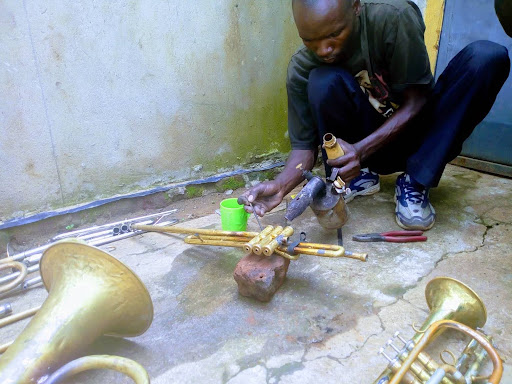
The image is jarring: a vibrant green lawn scattered with brass instruments in various forms of disrepair, some rusted, others broken or bent. A few rest in old cases with broken hinges. This video was shared by Kyewalyanga Fredrick (Freddie), founder of Saved by Music Foundation, a nonprofit in Uganda that serves 111 children between the ages of 8 and 16. Alongside shelter, food, healthcare, and school fees, the program teaches music through the Elgon Youth Brass Band that rehearses every day. Unfortunately, like a majority of programs in the region, Saved by Music Foundation does not have enough playable instruments for all of its students.
Editorial
EDITORIAL
When an Instrument Case Means ‘Don’t Shoot’: Symbolic Recognition in Medellín
Nathaly Ossa Alzate, strategic arts management and social impact consultant
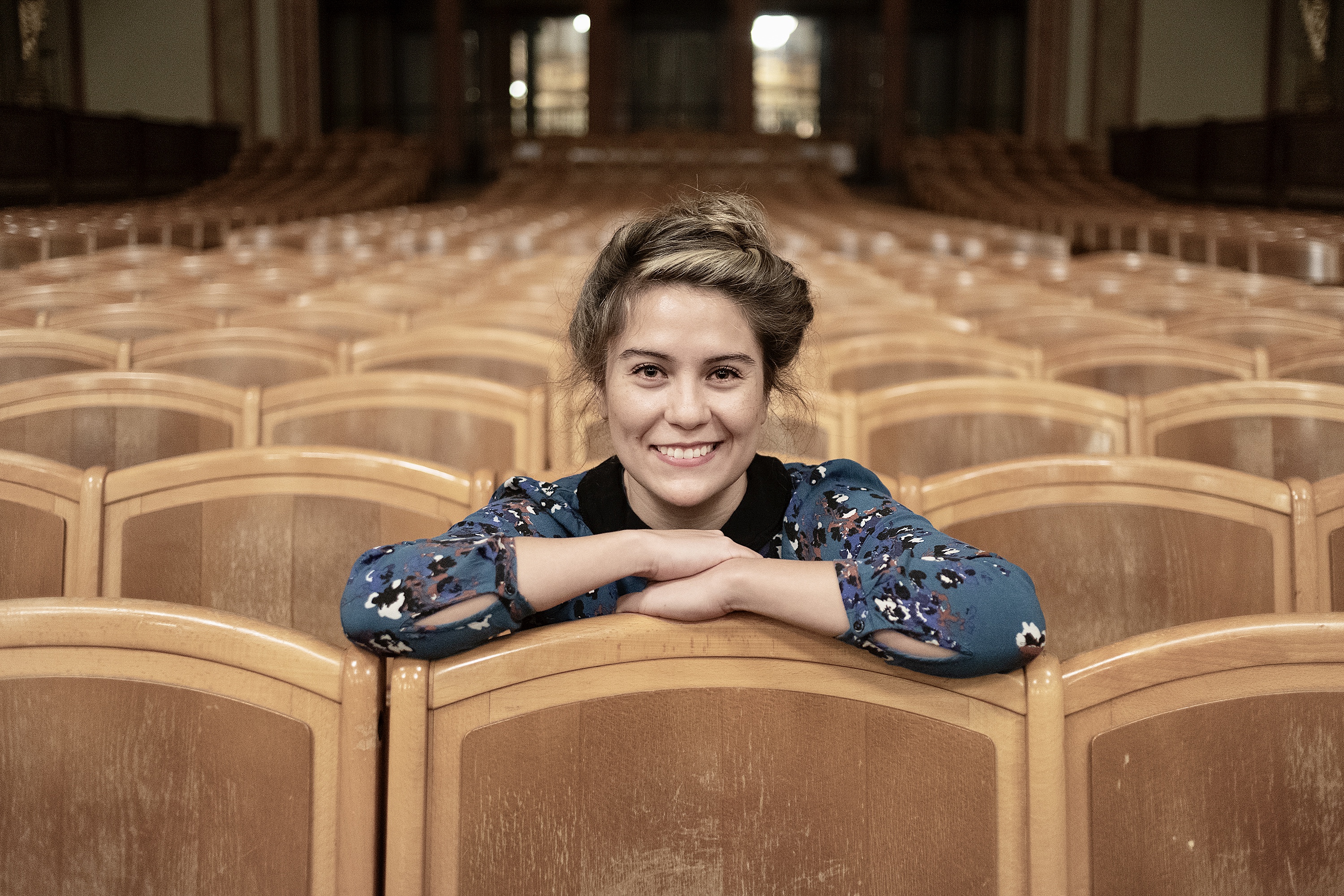
In Nancy Fraser’s framework, social justice requires both redistribution (economic resources) and recognition (cultural and symbolic status). Symbolic recognition is the validation of one’s identity, dignity, and self-worth within a broader socio-cultural context. And in 1990s Medellín—our time—young people faced material deprivation and severe symbolic misrecognition, viewed solely through the lens of urban violence, stigma, and invisibility.
EDITORIAL
EDITORIAL
A Question We Could Not Answer
Faly Ranaivoson, Founder, Choir Orchestra Loharano (COL)
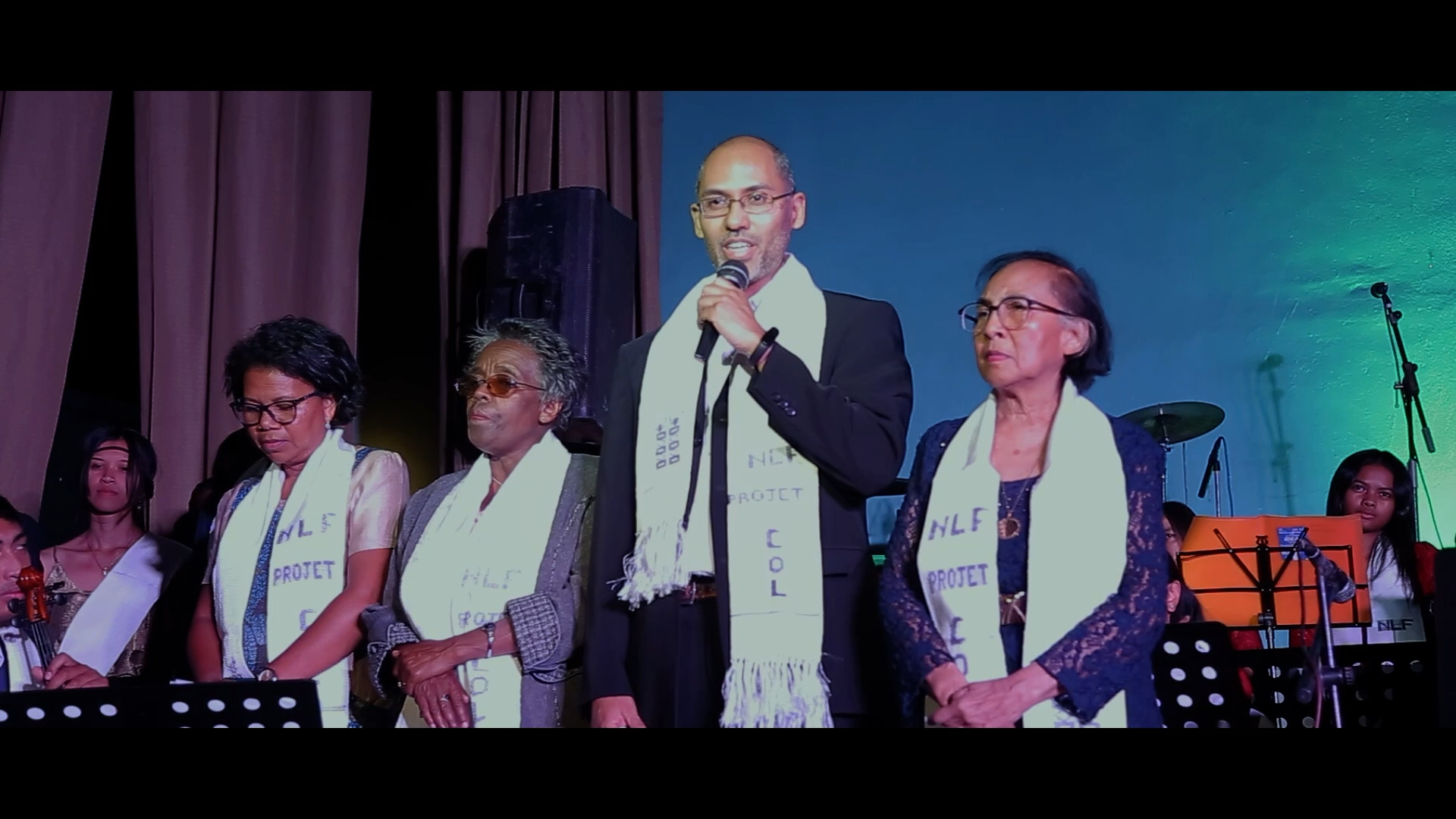
One of our longest-standing members asked a question at a meeting this year that I still cannot answer well. He had rehearsed four or five pieces for our concert last December. On the afternoon itself, he participated in playing only one of them. He wanted to know how that had come about. He put his question to everyone in the room.
Collaborations, Community Building, Europe, Featured, Gather Together, Italy, Program Design, Teaching & Learning
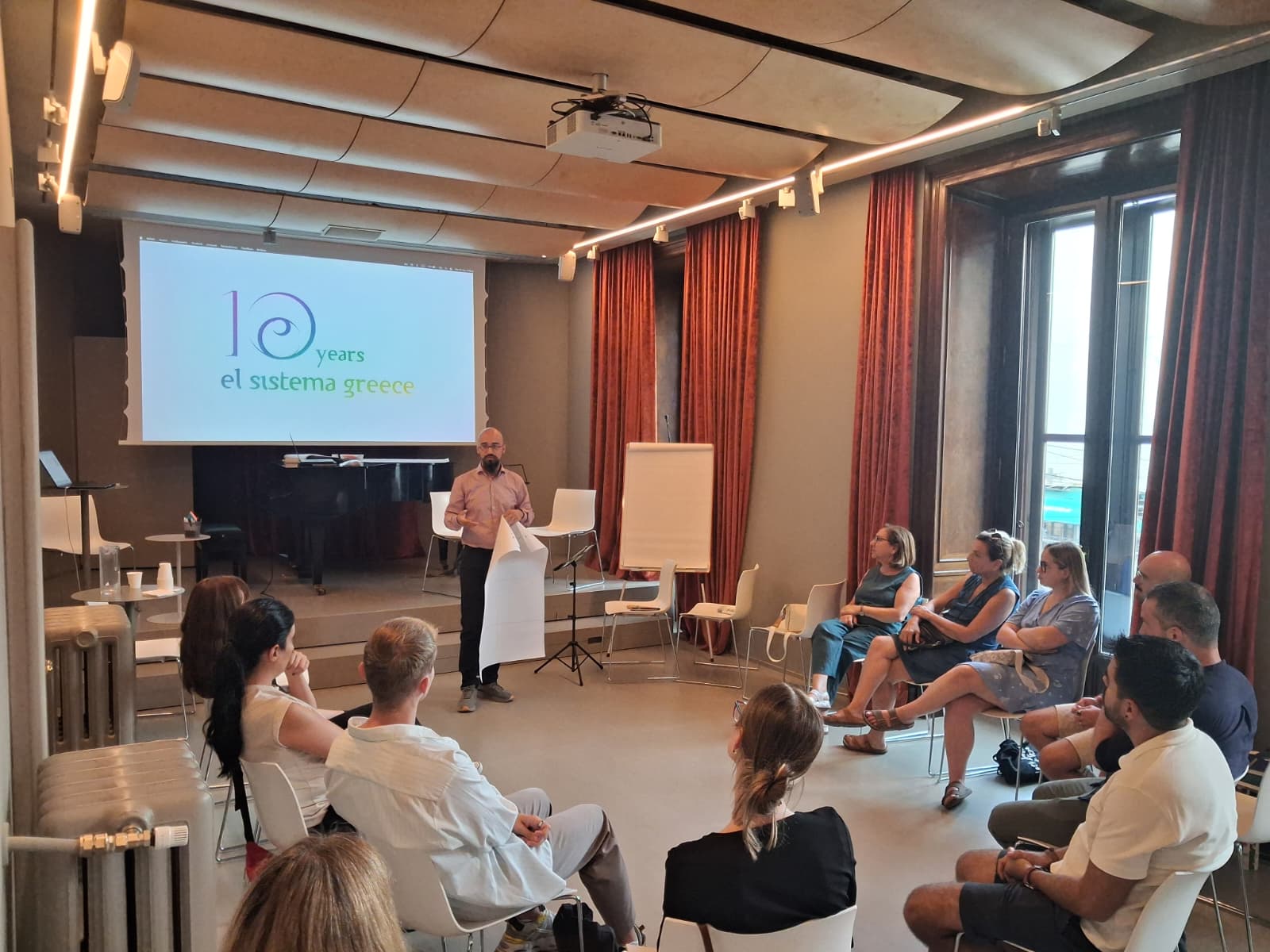
A Living Network Meets in Milan
Africa, Community Building, Featured, Program Design, Teaching & Learning, Uganda
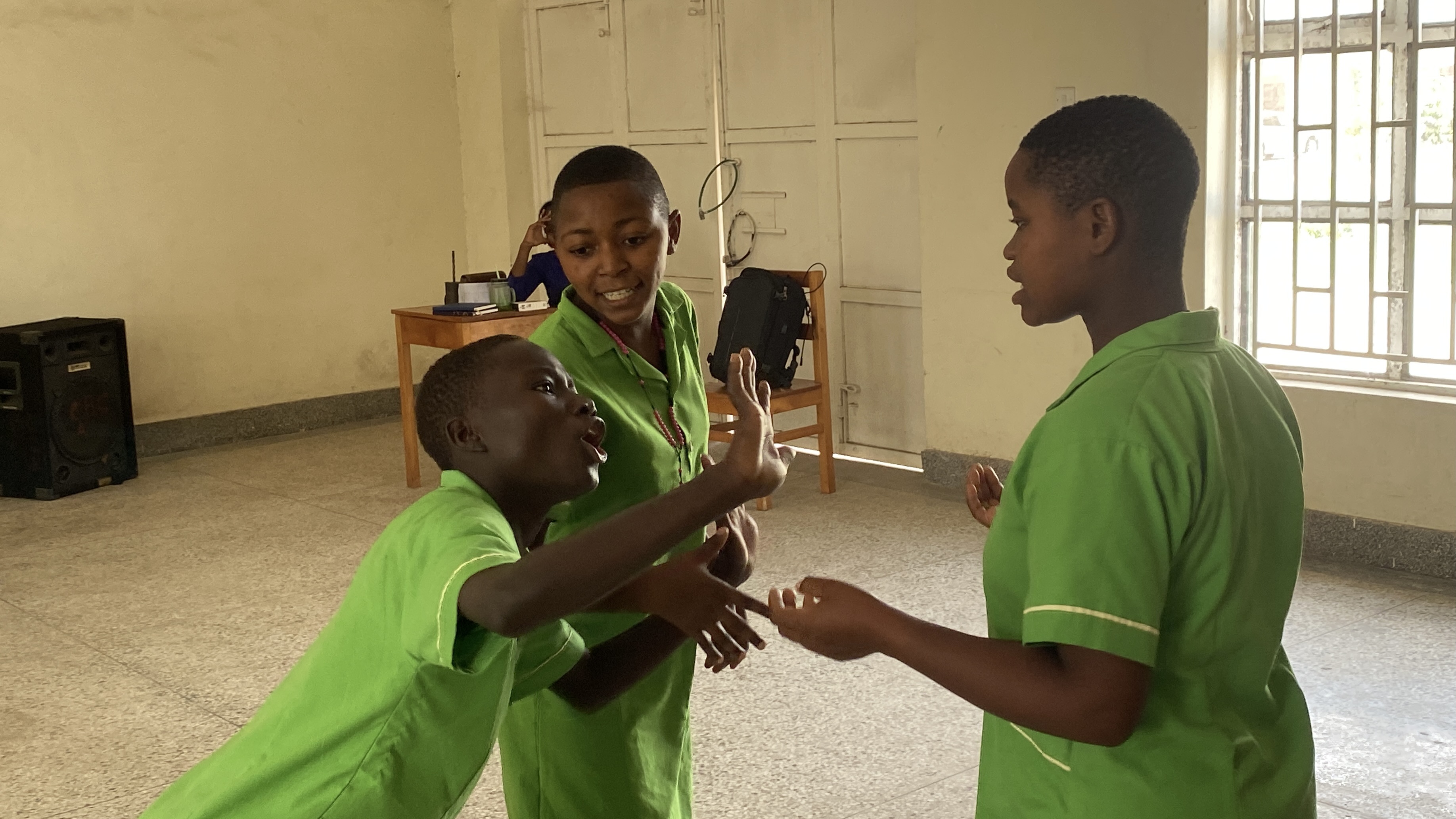
Solving the Instrument Crisis in Global Music Education Programs
Collaborations, Community Building, Featured, Gather Together, Middle East, Palestine, Program Design, Teaching & Learning
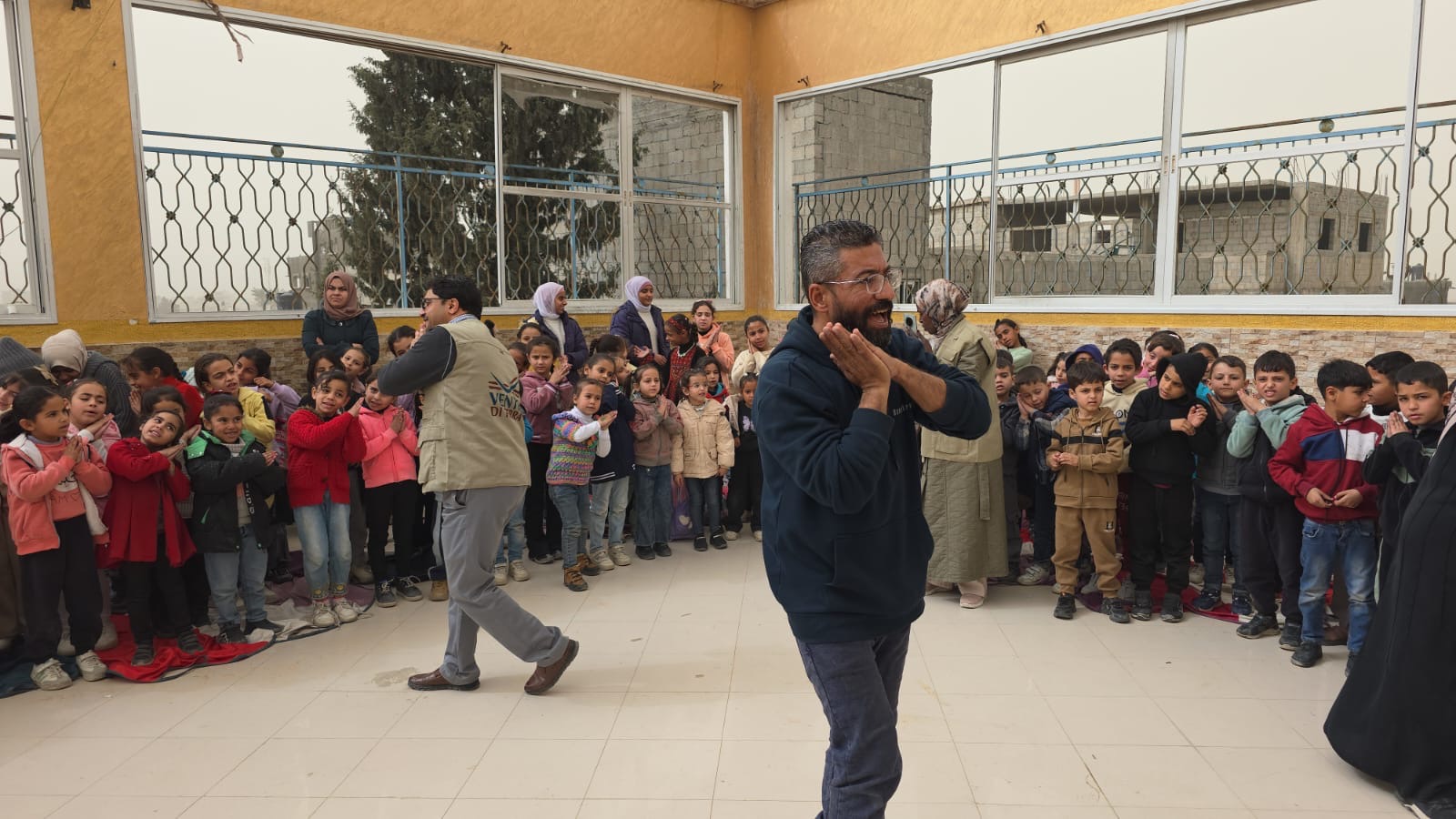
In Gaza, Children Sing with Drones
Collaborations, Community Building, Europe, Featured, France, Program Design, Teaching & Learning
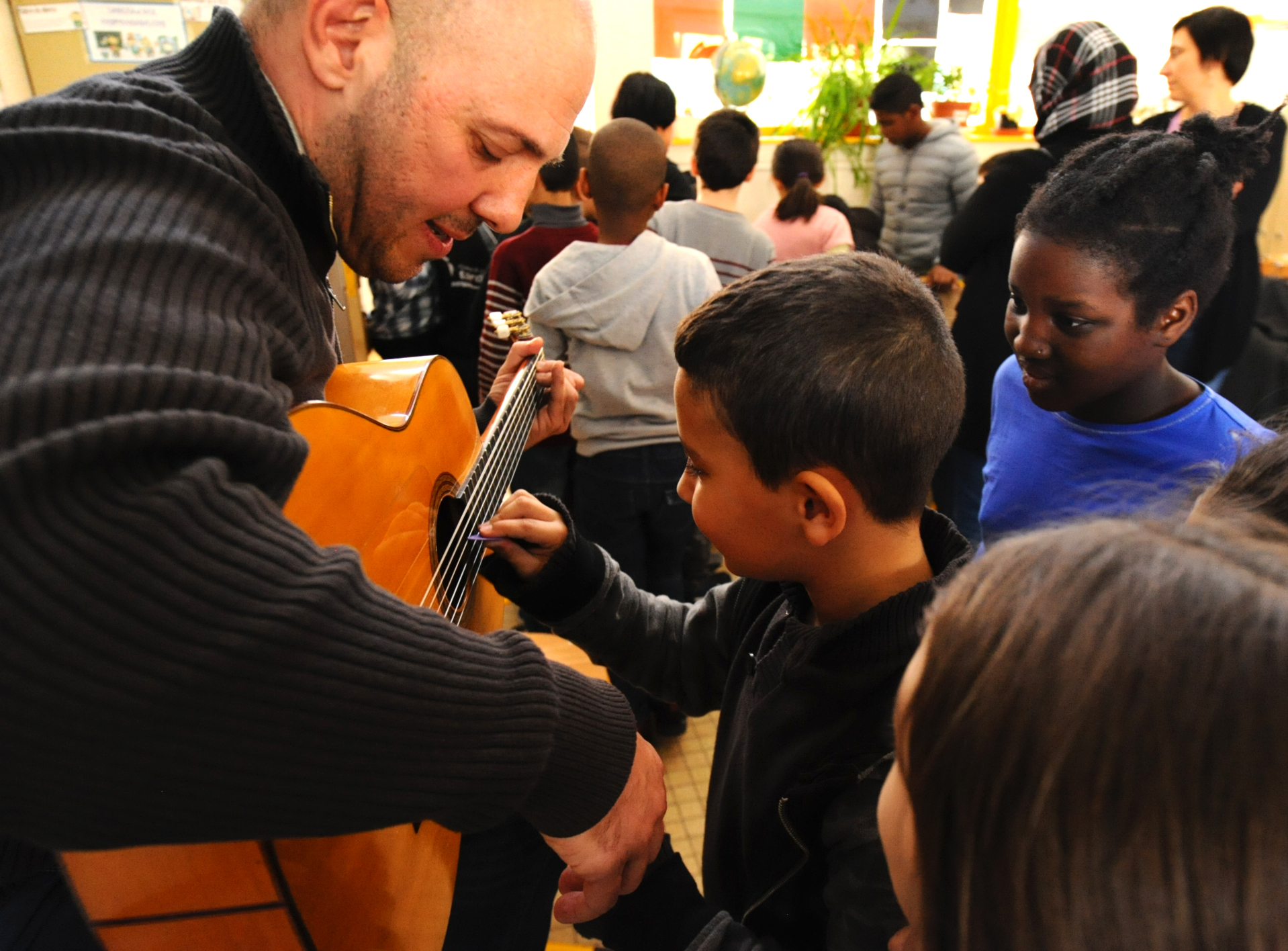
Jeunesses Musicales International: The Story Behind the Movement


